❄️ Top 10 Signs Your Anthurium is Stressed in Winter
Anthurium pallidiflorum
By the Greg Editorial Team
Oct 18, 2024•5 min read
This article was created with the help of AI so we can cover more plants for you. May contain errors. See one? Report it here.
- 🌿 Leaf discoloration and wilting indicate winter stress in your anthurium.
- ❄️ Maintain humidity and temperature between 60-80% and 18-24°C for optimal health.
- 🌱 Adjust watering every 2-3 weeks to prevent overwatering during winter dormancy.
Signs of Stress in Winter
Leaf Discoloration and Drop 🌿
One of the first signs your anthurium is stressed during winter is leaf discoloration. You might notice yellowing or browning leaves, which can indicate insufficient light, overwatering, or exposure to cold drafts.
Wilting and Drooping Leaves 😩
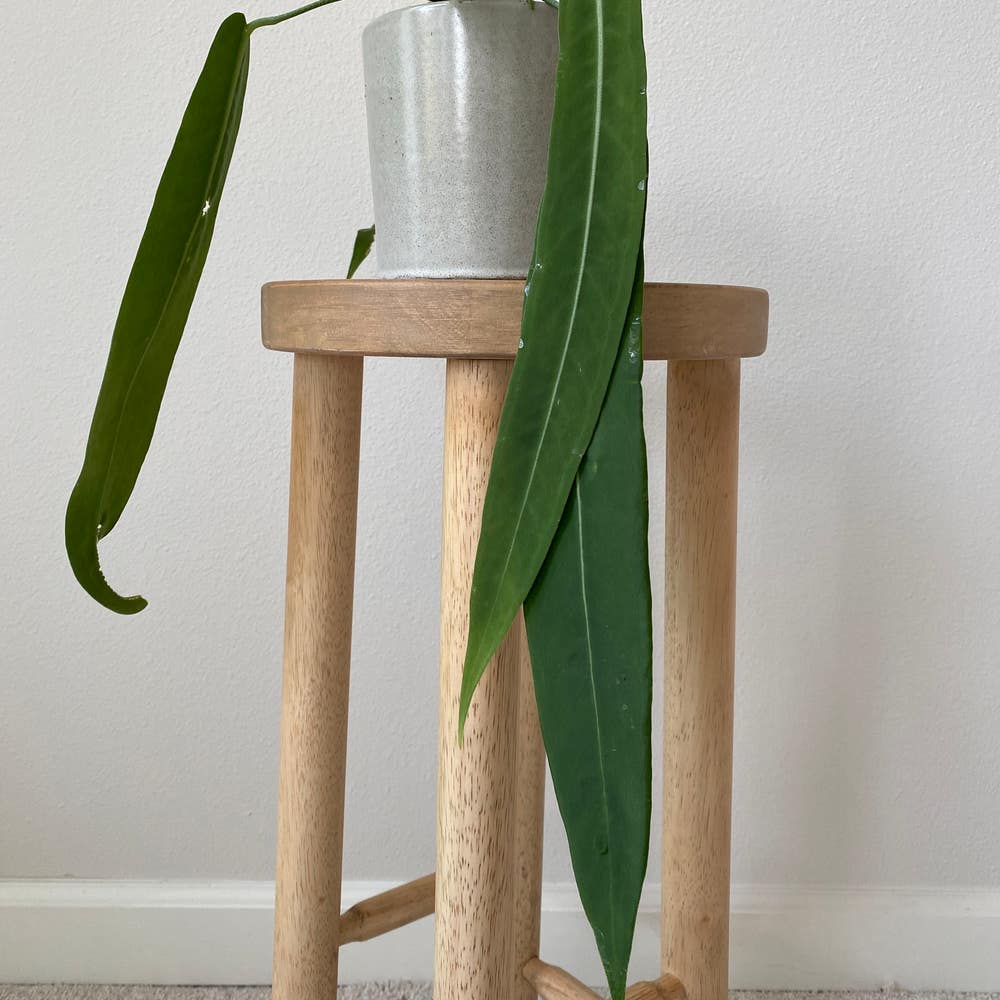
Another clear indicator of stress is wilting or drooping leaves. If your anthurium's leaves appear limp, it could be a sign of underwatering or extreme temperature fluctuations.
Stunted Growth or Lack of New Leaves 📉
During the winter months, you may observe minimal new growth. This stunted growth can result from dormancy or inadequate care conditions, signaling that your plant needs some adjustments to thrive.
Recognizing these signs early can help you take action to restore your anthurium's health. Next, let's explore the winter care requirements to keep your plant thriving during the colder months.
Winter Care Requirements
Adjusting Watering Schedules for Winter 🌊
During winter, it's crucial to adjust your watering routine. Reduce the frequency to every 2-3 weeks to prevent overwatering.
Keep an eye on soil moisture levels and the condition of the leaves. If the soil feels dry and the leaves are drooping, it might be time for a drink.
Fertilizing Anthurium During Winter Months ❄️
In winter, less is more when it comes to fertilization. It's generally recommended to minimize or skip fertilizing altogether.
If you feel it's necessary, use a balanced, diluted fertilizer. This will provide just enough nutrients without overwhelming your plant.
Importance of Humidity and Temperature Control 🌡️
Humidity plays a vital role in your Anthurium's health during winter. Aim for humidity levels between 60-80% for optimal growth.
Temperature is equally important; maintain a cozy range between 18°C to 24°C (65°F to 75°F). This will help your plant thrive even in the colder months.
As you care for your Anthurium this winter, remember that small adjustments can lead to big improvements. Next, let’s explore how to protect your plant from frost damage.
Protection from Frost
Identifying Frost Damage on Anthurium ❄️
Frost damage can be a serious concern for your anthurium during winter. Look for symptoms like blackened leaf tips and a mushy texture, which indicate that your plant has been exposed to cold temperatures.
Long-term effects of frost damage can include leaf drop and stunted growth. It's crucial to act quickly to mitigate these issues and help your plant recover.
Methods for Frost Protection Indoors and Outdoors 🏠
To protect your anthurium indoors, start by moving it away from windows where cold drafts can sneak in. Using space heaters can also help maintain a warm environment.
For outdoor protection, consider covering your plants with frost cloth during particularly cold nights. If temperatures drop significantly, bringing pots indoors can save your anthurium from frostbite.
By taking these steps, you can ensure your anthurium remains healthy and vibrant throughout the winter months. Next, let’s explore the optimal indoor care conditions for your plant during this chilly season.
Indoor Winter Care
Optimal Indoor Conditions for Anthurium in Winter 🌡️
To keep your anthurium thriving during winter, focus on its light and temperature needs. Aim for bright, indirect light; direct sunlight can scorch those beautiful leaves.
Temperature is equally crucial. Keep your plant away from cold drafts and heating vents to avoid stress. A stable environment helps your anthurium maintain its health throughout the chilly months.
Placement and Light Requirements for Indoor Anthurium 🪴
Finding the right spot for your anthurium can make all the difference. East or west-facing windows are ideal, as they provide the perfect amount of light without the harshness of midday sun.
If natural light is lacking, consider using grow lights. They can supplement your plant's needs and ensure it stays vibrant and healthy during the darker winter days.
With these indoor care tips, your anthurium will be well-equipped to handle winter's challenges. Next, let's explore how to prepare your plant for spring growth and recovery.
Spring Preparation and Recovery
🌱 Signs of Recovery from Winter Stress
As spring approaches, look for signs that your anthurium is bouncing back. New leaf growth and vibrant colors are excellent indicators of health.
Regularly check for pests or diseases to ensure your plant remains in top shape. Early detection can make a significant difference in your plant's recovery.
🌼 Preparing Anthurium for Spring Growth
Transitioning your care routine is essential for encouraging growth. Gradually increase watering and fertilization as the weather warms up.
Pruning is also crucial; remove any dead or damaged leaves to promote new growth. This simple step can rejuvenate your plant and enhance its overall appearance.
🌞 Tips for Transitioning Anthurium Out of Winter Dormancy
To help your anthurium thrive, gradually expose it to brighter light conditions. This slow reintroduction prevents shock and supports healthy growth.
Additionally, monitor the temperature closely. Ensure stable, warm conditions as spring approaches to create an ideal environment for your plant's revival.
As you prepare your anthurium for the vibrant season ahead, remember that attentive care can lead to a flourishing plant. With the right approach, your anthurium will thrive and bring joy to your space.
⚠️ Safety First
This content is for general information and may contain errors, omissions, or outdated details. It is not medical, veterinary advice, or an endorsement of therapeutic claims.
Always consult a qualified healthcare professional before using any plant as food, medicine, or supplement.
Never eat any plant (or feed one to pets) without confirming its identity with at least two trusted sources.
If you suspect poisoning, call Poison Control (800) 222-1222, the Pet Poison Helpline (800) 213-6680, or your local emergency service immediately.
Spotted an error? Please report it here.
Keep your anthurium thriving this winter ❄️ by using Greg's tailored care reminders and moisture monitoring to combat stress and ensure a vibrant spring recovery!