🌸 4 Facts About Anthurium Height and Width
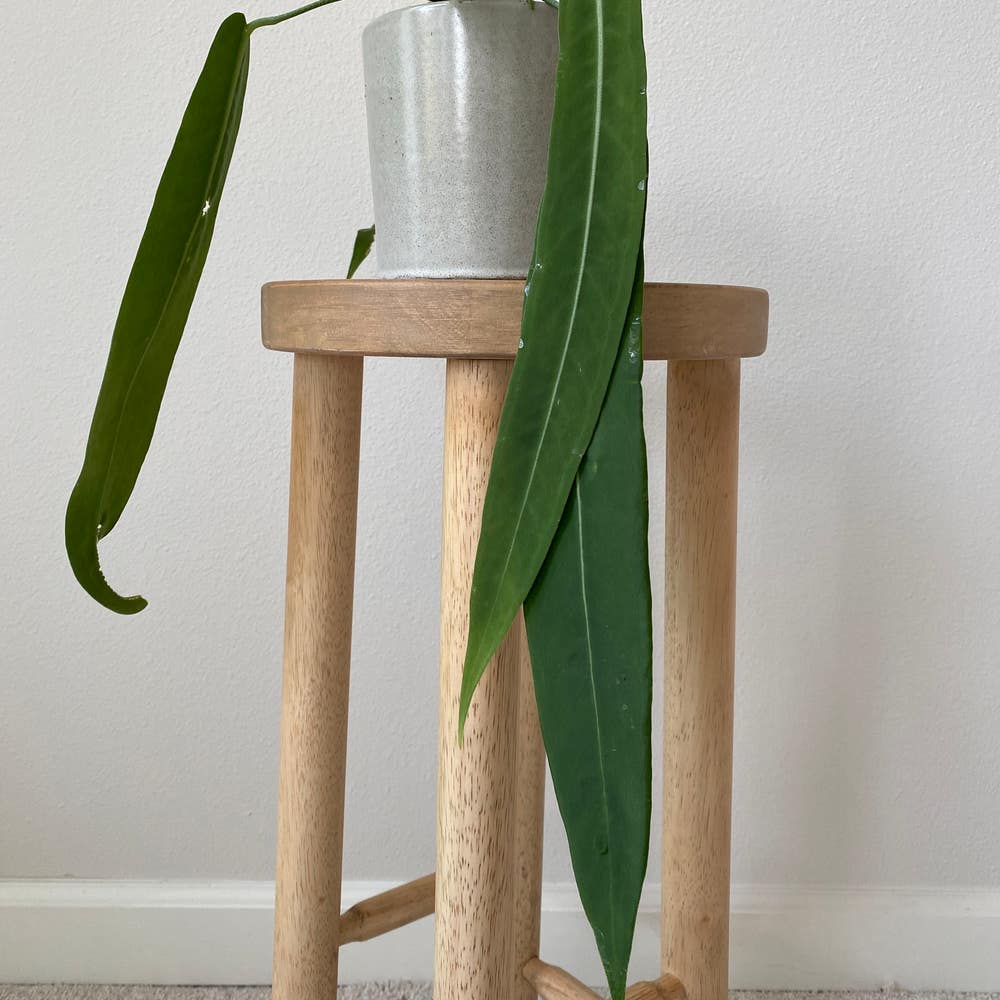
Anthurium pallidiflorum
By the Greg Editorial Team
Oct 18, 2024•4 min read
This article was created with the help of AI so we can cover more plants for you. May contain errors. See one? Report it here.
- 🌱 Anthuriums grow 1-3 feet tall and 1-2 feet wide; size varies by species.
- 🌞 Optimal light, humidity, and nutrients are key for healthy Anthurium growth.
- ⏳ Full size takes 2-5 years; regular care enhances growth rate and health.
Mature Height and Width
Typical Mature Dimensions 🌱
Anthuriums are known for their striking appearance, typically reaching a height of 1 to 3 feet. The width usually spans 1 to 2 feet, but this can vary based on their growing conditions.
Growth Habits 🌿
These plants exhibit an upright growth pattern, showcasing broad, glossy leaves that add to their allure. Different species have distinct growth characteristics; for instance, Anthurium andraeanum generally grows to about 1-2 feet, while Anthurium warocqueanum can exceed 3 feet in height.
Size Variability 📏
Several factors influence the size of your Anthurium. Species differences play a significant role, as does the environment—whether the plant is grown indoors or outdoors can lead to noticeable variations in size.
Understanding these dimensions and growth habits can help you create the ideal conditions for your Anthurium. Next, we’ll explore the growth rate of these fascinating plants.
Growth Rate
🌱 Typical Growth Rate
Anthuriums are known for their moderate growth rate, typically reaching about 6 to 12 inches per year. This steady pace allows them to gradually fill out their space, making them a rewarding choice for plant enthusiasts.
⏳ Factors Affecting Growth Rate
Several factors can influence how quickly your Anthurium grows.
🌤️ Environmental Conditions
Light, temperature, and humidity play crucial roles in growth. Bright, indirect sunlight encourages robust development, while extreme temperatures can slow things down.
🥦 Nutrient Availability
Fertilization is another key player in growth speed. Providing the right nutrients can significantly enhance your plant's growth, ensuring it thrives in its environment.
Understanding these elements can help you create the ideal conditions for your Anthurium, leading to a lush, vibrant plant. As you nurture your Anthurium, keep an eye on these factors to maximize its growth potential.
Next, let’s explore how long it takes for your Anthurium to reach its full size.
Time to Reach Full Size
🌱 Growth Timeline
Anthuriums typically take 2 to 5 years to reach their full size. This timeline varies based on the species and the conditions in which they are grown.
⏳ Influencing Factors
Several factors can influence how quickly your Anthurium matures.
🌤️ Environmental Factors
Optimal conditions, such as bright light and appropriate humidity, can significantly accelerate growth.
🌿 Care Practices
Proper watering and fertilization are crucial. Regular feeding during the growing season can enhance growth rates, helping your plant thrive.
Understanding these elements can help you create the best environment for your Anthurium, ensuring it reaches its full potential. Next, let’s explore the environmental factors that affect the size of your plant.
Environmental Factors Affecting Size
🌞 Light Conditions
Anthuriums thrive in bright, indirect sunlight. This optimal light exposure encourages healthy growth and vibrant foliage.
Low light conditions can lead to stunted growth and smaller plant dimensions. If your Anthurium isn’t getting enough light, you might notice it struggling to reach its full potential.
🌱 Soil Type and Moisture Levels
The right soil is crucial for Anthurium health. A well-draining mix rich in organic matter is ideal for promoting robust growth.
Consistent moisture is key, but be cautious—overwatering can hinder size. Aim for a balance that keeps the soil moist without becoming soggy.
🌡️ Temperature and Humidity Effects
Anthuriums prefer a cozy temperature range of 65°F to 80°F (18°C to 27°C). Keeping them within this range supports their growth and overall vitality.
Humidity plays a significant role too. High humidity levels (60% or more) are essential for larger, healthier plants. If your environment is too dry, consider misting or using a humidifier to help your Anthurium flourish.
Understanding these environmental factors can significantly impact the size and health of your Anthurium. Next, let’s explore how you can control the size of your plant through effective care practices.
Controlling Size
✂️ Pruning Techniques
Pruning is essential for managing the height of your anthurium. Regularly trimming leaves and stems not only controls size but also encourages bushier growth.
Timing is crucial; the best time to prune is during the growing season. This allows the plant to recover quickly and thrive.
🪴 Pot Size Influence
The size of the pot plays a significant role in your anthurium's growth. Larger pots provide more space for roots, encouraging the plant to grow taller and wider.
Conversely, smaller pots can restrict growth. Aim to repot your anthurium every 1-2 years to ensure the roots have enough room to expand.
🌱 Fertilization Practices
Balanced fertilizers are key to supporting healthy growth. Using the right nutrients helps your anthurium reach its full potential.
Timing matters too; regular feeding during the growing season can significantly enhance size. This practice ensures your plant gets the nutrients it needs when it needs them.
By mastering these techniques, you can effectively control the size of your anthurium while promoting its overall health. Next, let’s explore the environmental factors that can influence your plant's growth.
⚠️ Safety First
This content is for general information and may contain errors, omissions, or outdated details. It is not medical, veterinary advice, or an endorsement of therapeutic claims.
Always consult a qualified healthcare professional before using any plant as food, medicine, or supplement.
Never eat any plant (or feed one to pets) without confirming its identity with at least two trusted sources.
If you suspect poisoning, call Poison Control (800) 222-1222, the Pet Poison Helpline (800) 213-6680, or your local emergency service immediately.
Spotted an error? Please report it here.
Unlock the secret to lush Anthurium growth 🌿 with Greg's personalized care reminders and nutrient plans, ensuring your plant thrives beautifully in your home!