💧 What Is The Best Way To Water an Anthurium pallidiflorum?
Anthurium pallidiflorum
By the Greg Editorial Team
Jun 18, 2024•4 min read
This article was created with the help of AI so we can cover more plants for you. May contain errors. See one? Report it here.
- 🌱 Wilting leaves and dry soil signal it's time to water.
- ☀️🌡️ Adjust water based on light, temperature, and humidity.
- 🕗 Morning watering allows all-day hydration; use tools for precision.
Spot the Signs: When Your Anthurium Pallidiflorum Thirsts for Water
🥀 Visual cues of dehydration
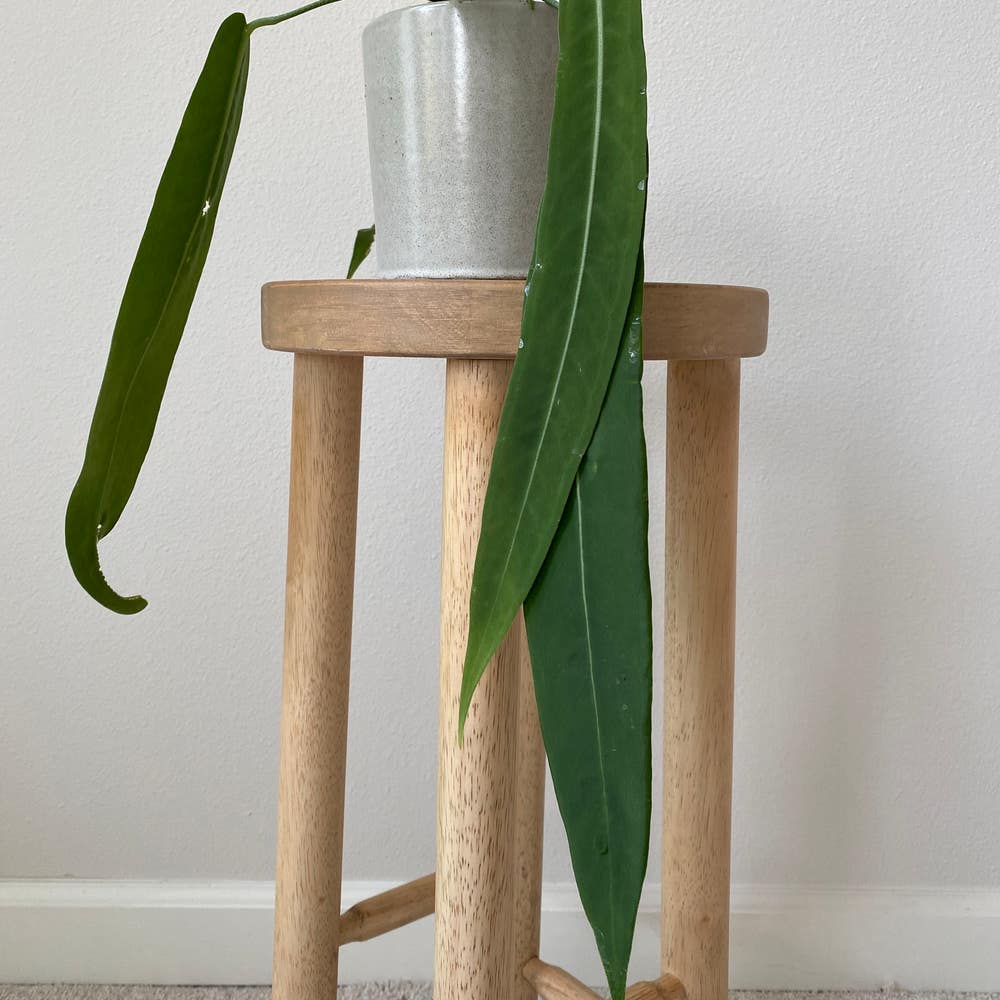
Wilting leaves may be your Anthurium pallidiflorum's way of saying, "I'm parched." If they look more tired than you feel on a Monday morning, it's time to water. Crispy tips on leaves aren't just a style statement; they're a desperate plea for hydration and a hint that your air might be drier than a stand-up comedian's humor.
👆 Tactile soil tests for moisture levels
Forget the high-tech gadgets; sometimes, your fingers are the best moisture meters. Dive into the soil up to your first knuckle—if it feels as dry as a desert, your plant's thirst is real. But if the soil clings to your skin like a needy puppy, hold off on the waterworks.
🍂 The droop factor: Leaves telling a story
When your Anthurium's leaves droop like they've just heard the weekend's over, it's a clear signal. A light pot is another telltale sign; if it feels like you're lifting a feather, your green buddy needs a drink. Remember, though, if the pot's as light as your last paycheck but the leaves are more downcast than a rainy day, you might be dealing with a drainage issue—check that first before flooding the scene.

The Environmental Equation: Tailoring Watering to Your Conditions
🌞 Light and shadow play: Adjusting to your plant's exposure
Your Anthurium pallidiflorum's thirst level is directly tied to its light exposure. Brighter spots demand more frequent watering, as light speeds up photosynthesis and water evaporation. Conversely, plants in dimmer areas sip water more slowly, stretching out the time between waterings. Use a light meter or the shadow test to gauge the intensity; a soft, defined shadow means you've nailed it.
🌡 Feeling the heat: Temperature's role in watering frequency
Temperature swings can turn your watering routine on its head. Higher temperatures ramp up your plant's need for water, while cooler conditions mean your Anthurium pallidiflorum can go longer between drinks. Avoid placing your plant near drafts or heat sources like radiators, which can create microclimates and throw off your watering game.
💧 Humidity's hidden impact on hydration
Humidity is the silent player in your plant's hydration. High humidity can be a reprieve, allowing you to water less often. Dry air, however, will have you reaching for the watering can more frequently. Keep a hygrometer handy to monitor ambient humidity, and adjust your watering accordingly to keep your Anthurium pallidiflorum from becoming parched or waterlogged.

Watering Wisdom: Techniques for Quenching Your Plant's Thirst
💧 The perfect pour: How much water is just right?
Soak it, don't drown it. Give your Anthurium pallidiflorum a thorough drink, letting water run freely from the drainage holes. This mimics a natural rainfall, reaching deep into the roots. But remember, no plant likes wet feet—ensure excess water drains away completely.
⏰ Timing is everything: Best time of day for watering
Early birds water best. Quench your plant's thirst in the morning, allowing it to hydrate throughout the day. Evening watering invites dampness and disease—like going to bed in wet socks. Not cool.
🛠 Tools of the trade: Using moisture meters and other gadgets
Trust technology, not just your gut. A moisture meter can be your plant's best friend, taking the guesswork out of when to water. Or, if you're the forgetful type, a self-watering pot might just be your saving grace. Keep your Anthurium pallidiflorum consistently content without the calendar.

Seasonal Shifts: Adapting Watering Routines Throughout the Year
🌱 Growing season vs. dormancy: Changing needs
Growing season is the Anthurium pallidiflorum's time to shine. It's a thirstier beast, craving more water to fuel its lush leaves and vibrant blooms. But when dormancy hits, it's a different story. The plant's metabolism slows, and so should your watering. Less is more here; overwatering can be a silent killer during these cooler, quieter months.
💐 Blooming marvels: Special considerations during flowering
Flowering is the Anthurium pallidiflorum's grand performance, and it demands a stage set with precision. Increase watering slightly to support this spectacle, but stay sharp—too much enthusiasm with the watering can, and you risk root rot. It's a delicate dance, keeping the soil consistently moist but not soggy. Remember, your plant's not trying to swim; it's just trying to bloom.
⚠️ Safety First
This content is for general information and may contain errors, omissions, or outdated details. It is not medical, veterinary advice, or an endorsement of therapeutic claims.
Always consult a qualified healthcare professional before using any plant as food, medicine, or supplement.
Never eat any plant (or feed one to pets) without confirming its identity with at least two trusted sources.
If you suspect poisoning, call Poison Control (800) 222-1222, the Pet Poison Helpline (800) 213-6680, or your local emergency service immediately.
Spotted an error? Please report it here.
Keep your Anthurium pallidiflorum lively and lush 🌿 with Greg's custom reminders that adjust to your home's unique conditions for just-right watering.