Growth Rate of Anthurium
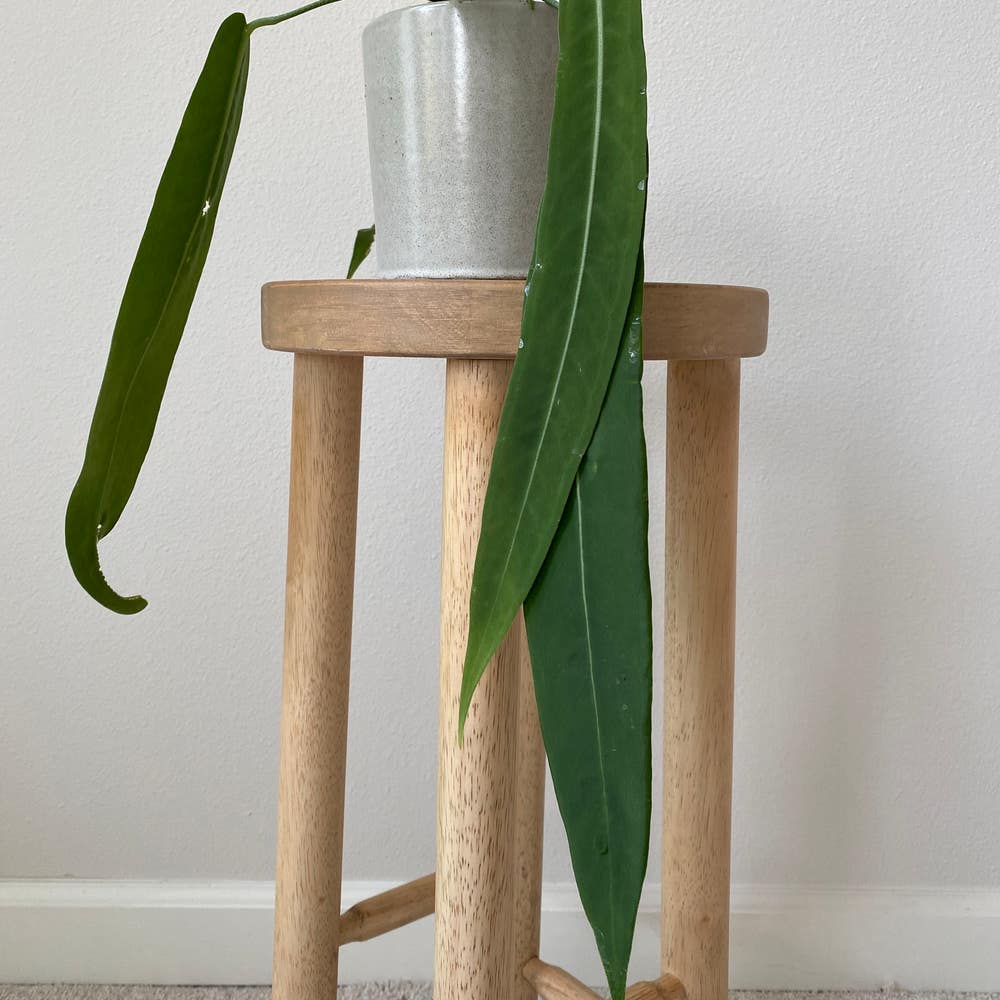
Anthurium pallidiflorum
By the Greg Editorial Team
Oct 18, 2024•6 min read
This article was created with the help of AI so we can cover more plants for you. May contain errors. See one? Report it here.
- 🌱 Anthurium seeds germinate in 2-4 weeks with proper temperature and moisture.
- 🌿 Mature plants take 2-3 years to fully develop under ideal conditions.
- 💧 Consistent moisture is key for healthy growth, but avoid overwatering.
Germination Stage
🌱 Duration of Germination
Germination is a crucial first step in growing Anthurium, typically taking 2-4 weeks. Several factors can influence this duration, including temperature, moisture levels, and the quality of the seeds.
🌡️ Conditions for Successful Germination
To ensure successful germination, maintain an ideal temperature between 20°C to 25°C (68°F to 77°F).
- Moisture: Keep the soil consistently moist but avoid waterlogging.
- Light: Provide indirect sunlight or filtered light for optimal growth.
- Soil Type: Use a well-draining, sterile seed starting mix to promote healthy roots.
By creating the right conditions, you'll set the stage for healthy seedlings to emerge. This foundational stage is vital for the overall growth rate of your Anthurium.
Next, let’s explore the Seedling Stage, where your plant begins to develop its unique characteristics.
Seedling Stage
Duration of Seedling Growth 🌱
The seedling stage is a crucial period for Anthurium, lasting about 4-6 weeks until the plants develop their true leaves. This transition occurs when seedlings produce 2-3 sets of true leaves, indicating they are ready to move on to the next growth phase.
Characteristics of Seedlings 🌿
Anthurium seedlings start with small, heart-shaped leaves that are often lighter in color. During this stage, growth is slow as the plants prioritize root development, establishing a strong foundation for future growth.
Care Requirements 💧
To thrive, seedlings require high humidity and consistent moisture. Maintaining these conditions is essential for their healthy development and will set the stage for robust growth in the next phases.
As seedlings mature, they prepare to enter the vegetative growth stage, where their growth will accelerate significantly.
Vegetative Growth Stage
Duration of Vegetative Growth 🌱
The vegetative growth stage of Anthurium can last anywhere from 6 months to several years. This duration largely depends on environmental conditions and care practices.
Transition to Flowering 🌸
As the plant matures, it will eventually transition to the flowering stage. This shift is influenced by various environmental factors, including light and humidity.
Changes in Leaf Structure and Size 🍃
During this stage, the leaves undergo significant changes. They can grow up to 12-18 inches in length, showcasing a robust and vibrant appearance.
Color Changes 🎨
As the plant matures, the leaves transition to a dark green, glossy finish. This color change is a clear indicator of a healthy, thriving plant.
Growth Habit 🌿
The growth habit of the Anthurium becomes more robust and bushy. This transformation not only enhances its aesthetic appeal but also indicates that the plant is establishing itself well.
Understanding the vegetative growth stage is crucial for nurturing your Anthurium. With the right conditions, you can enjoy a lush, vibrant plant that sets the stage for beautiful blooms ahead.
Next, we’ll explore the flowering stage, where your Anthurium will truly shine.
Flowering Stage
Duration of Flowering 🌸
The flowering period for Anthurium typically lasts between 2 to 3 months. Under optimal conditions, you might even enjoy multiple blooms throughout the year.
Factors Affecting Duration ⏳
Light exposure and nutrient availability play crucial roles in determining how long your Anthurium will bloom. Ensure your plant receives adequate light and balanced nutrients for the best results.
Characteristics of Flowers 🌈
Anthurium flowers are known for their unique spathes, which can come in vibrant colors like red, pink, and white. These stunning blooms can last several weeks to months on the plant, adding a splash of color to your space.
Pollination Process 🐝
Anthuriums primarily self-pollinate, making them quite resilient. However, they can benefit from cross-pollination, attracting helpful insects like bees and butterflies in natural settings.
Attracting Pollinators 🌼
Creating an inviting environment can enhance pollination. Consider planting nearby flowers that attract these beneficial insects, ensuring your Anthurium thrives.
As we transition to the next stage, understanding the intricacies of seed production will further enrich your knowledge of Anthurium growth.
Seed Production Stage
Duration of Seed Production 🌱
The seed production stage typically spans 3-6 months from the time of flowering until the seeds reach maturity. This process kicks off right after successful pollination, marking a crucial phase in the plant's life cycle.
Conditions for Seed Production 🌡️
For optimal seed production, warm temperatures and high humidity are essential. These environmental factors create a nurturing atmosphere that encourages healthy seed development.
Balanced fertilization is also key during this stage. Providing the right nutrients supports the plant as it transitions from flowering to seed maturity.
Viability of Seeds 🥚
Once harvested, seeds generally maintain their viability for 1-2 years if stored properly. This means that with the right conditions, you can keep your seeds for future planting.
Fresh seeds have a high germination potential, especially when conditions are optimal. This ensures that your efforts in seed production can lead to successful growth in the next planting cycle.
As you explore the fascinating journey of anthurium growth, understanding the seed production stage will empower you to cultivate these beautiful plants effectively. Next, we’ll delve into the growth rate and maturation of anthuriums, uncovering how long it takes for them to reach their full potential.
Growth Rate and Maturation
🕒 How Long Until Fully Grown?
Anthuriums typically reach full maturity in 2-3 years under ideal conditions. Factors like light, humidity, and care practices can significantly influence this maturation time.
🌱 Factors Affecting Growth Rate
Several environmental conditions play a crucial role in the growth rate of Anthuriums.
- Temperature: Warmer temperatures generally promote faster growth.
- Humidity: High humidity levels are beneficial for optimal development.
- Light Exposure: Adequate indirect light is essential for healthy growth.
Soil quality is another key factor. Nutrient-rich, well-draining soil can accelerate growth, while poor soil may hinder it.
Watering practices also matter. Consistent moisture is vital, but be cautious not to overwater, as this can lead to root rot.
📈 Average Growth Rate of Varieties
Different Anthurium varieties exhibit varying growth rates.
- Moderate Growth Rate: Some varieties bloom within 1-2 years, making them a quicker option for eager gardeners.
- Slower Growth: Others may take 3-4 years to mature, requiring a bit more patience.
Understanding these growth rates can help you choose the right variety for your gardening goals.
As you nurture your Anthurium, remember that each plant is unique, and with the right care, you’ll be rewarded with stunning blooms and lush foliage.
Next, let’s explore the fascinating seed production stage of Anthuriums.
⚠️ Safety First
This content is for general information and may contain errors, omissions, or outdated details. It is not medical, veterinary advice, or an endorsement of therapeutic claims.
Always consult a qualified healthcare professional before using any plant as food, medicine, or supplement.
Never eat any plant (or feed one to pets) without confirming its identity with at least two trusted sources.
If you suspect poisoning, call Poison Control (800) 222-1222, the Pet Poison Helpline (800) 213-6680, or your local emergency service immediately.
Spotted an error? Please report it here.
Unlock your Anthurium's full potential 🌿 with Greg's tailored care reminders and moisture tracking, ensuring vibrant blooms and lush foliage every step of the way!