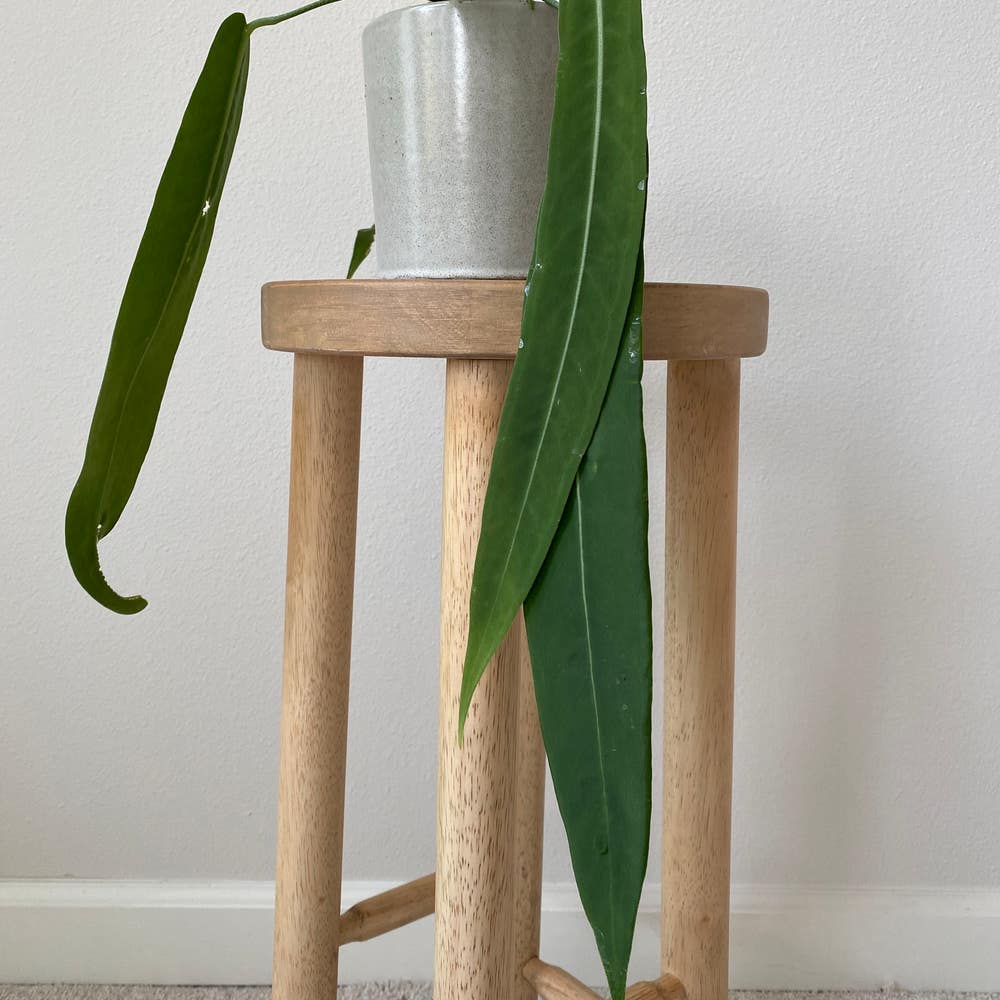
🤔 Why Are There Brown Spots on My Anthurium pallidiflorum?
Anthurium pallidiflorum
By the Greg Editorial Team
Jun 18, 2024•4 min read
This article was created with the help of AI so we can cover more plants for you. May contain errors. See one? Report it here.
- Environmental stressors like light and water cause brown spots.
- Pests and diseases contribute to brown spots; use neem oil and fungicides.
- Prevent spots with proper humidity, light, and careful fertilizing.
Spotting the Trouble: Identifying Brown Spots
🕵️ What Do Brown Spots Look Like?
Brown spots on Anthurium pallidiflorum leaves can range from light tan to a deep brown. They may start as tiny specks and evolve into larger patches. A dry or water-soaked appearance is possible, hinting at the underlying cause. Patterns matter—spots can be scattered or clustered, with some showcasing a yellow halo or distinct edges.
🌿 Common Culprits: Environmental Stressors
Light, water, and temperature are often the environmental stressors behind brown spots. Too much sun can scorch leaves, while insufficient watering leads to drought stress. Temperature extremes, both hot and cold, can also leave their mark. Adjusting these factors is crucial for the plant's well-being.
🐜 Unwanted Guests: Pests and Diseases
Pests like aphids and thrips, along with diseases such as fungal infections, can cause brown spots. Anthracnose, characterized by irregular spots with a yellow halo, and rust, with its raised pustules, are common offenders. Vigilant inspection and prompt treatment are key to managing these issues.

First Aid for Your Anthurium: Treating Brown Spots
💡 Adjusting Your Plant's Environment
Humidity is crucial for Anthurium pallidiflorum. If your home is drier than a stand-up comedian's wit, it's time to invest in a humidifier. Place it near your plant to mimic its tropical paradise.
Lighting can be a bit of a Goldilocks situation—not too much, not too little. Brown spots scream that your Anthurium has had more sun than a beach bum. Move it to a spot with filtered light to avoid those unsightly tan lines.
When it comes to watering, think of your Anthurium as a guest at a cocktail party—it prefers its drink from the bottom. Bottom watering helps avoid leaf blight, which is as welcome as a skunk at a lawn party. Ensure the soil is moist but not soggy, like a perfectly wrung-out sponge.
🛡️ Battling Pests and Disease
Got pests? Show them the door with a gentle but firm hand. Neem oil is your bouncer here, keeping those freeloading pests from crashing your Anthurium's party.
Fungal infections are the gossip mongers of the plant world, spreading fast and leaving a trail of destruction. Isolate your infected Anthurium faster than you'd avoid someone with a cold. Apply a fungicide with the precision of a surgeon—cover every leaf, top to bottom.
If you spot a leaf turning into a brown crisp, it's time for some tough love. Snip it off at the petiole, and be as clean with your cut as a barber's shave. Remember, leaf blight is as contagious as a yawn in a meeting room, so sanitize your tools post-op.
And remember, over-fertilizing is like pouring too much hot sauce on your eggs—it's going to burn. Stick to a quarter-strength fertilizer every few months, and your Anthurium will thank you with the lush greenery of a rainforest canopy.

Keeping Spots at Bay: Prevention Strategies
💨 The Ideal Environment for Anthurium pallidiflorum
Air circulation is crucial for preventing brown spots on your Anthurium pallidiflorum. Ensure your plant isn't suffocating in a cramped corner; it needs space to show off its foliage. A fan can provide a gentle breeze, but avoid placing your plant in drafty areas.
Consistent watering is key. Your Anthurium's soil should be moist but not waterlogged. Use the finger test: if the top inch of soil is dry, it's time to water. Think of it as quenching your plant's thirst, not causing a flood.
Humidity should be maintained between 70-80 percent, but keep those leaves dry. Watering directly into the soil can help, and some even recommend using ice cubes for a slow-release effect.
Light exposure needs to be just right. Too much sun can lead to leaf blight, while too little can cause your Anthurium to become lackluster. Find that sweet spot where your plant can bask without getting scorched.
🕵️ Regular Care and Vigilance
Make regular check-ups a part of your routine. Early signs of distress, like discoloration or spotting, should prompt immediate action. Groom your plant by removing dead leaves to keep it looking healthy.
Pest control is non-negotiable. Keep an eye out for uninvited guests and deal with them promptly. A mix of baking soda and liquid soap can serve as a gentle deterrent.
Sterilize your tools—shears, scissors, anything that touches your plant. This prevents the spread of disease and keeps your Anthurium in top shape.
Remember, prevention is better than cure. By providing the ideal environment and staying vigilant, you can keep those pesky brown spots from ever making an appearance.

⚠️ Safety First
This content is for general information and may contain errors, omissions, or outdated details. It is not medical, veterinary advice, or an endorsement of therapeutic claims.
Always consult a qualified healthcare professional before using any plant as food, medicine, or supplement.
Never eat any plant (or feed one to pets) without confirming its identity with at least two trusted sources.
If you suspect poisoning, call Poison Control (800) 222-1222, the Pet Poison Helpline (800) 213-6680, or your local emergency service immediately.
Spotted an error? Please report it here.
Eradicate brown spots 🍂 on your Anthurium with Greg's tailored care schedule and pest control advice, ensuring your plant stays as spotless as your plant care routine!