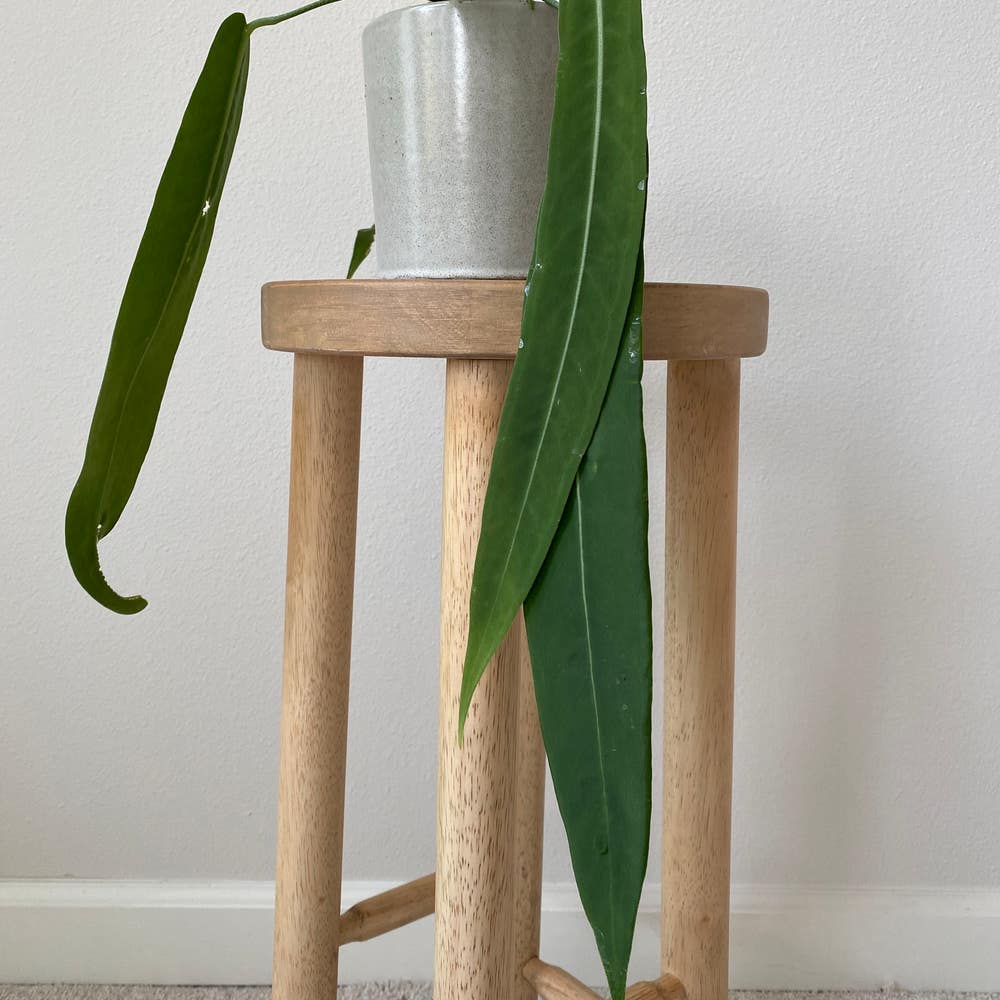
Black Spots on My Anthurium pallidiflorum Leaves
Anthurium pallidiflorum
By the Greg Editorial Team
Jun 18, 2024•3 min read
This article was created with the help of AI so we can cover more plants for you. May contain errors. See one? Report it here.
- Fungal vs. Bacterial: Different causes of black spots require specific treatments.
- Isolate and Prune: Prevent spread by quarantining and removing affected leaves.
- Prevent with Care: Optimize watering, airflow, and hygiene to keep plants healthy.
Spotting the Culprits: Common Causes of Black Spots
🍄 Fungal Foes
Fungal infections are notorious for causing black spots on Anthurium pallidiflorum leaves. These spots are typically circular and may have a yellowish halo, signaling a covert invasion by the likes of Cercospora or Colletotrichum species.
🦠 Bacterial Bullies
Bacterial infections manifest as dark lesions, often with a wet, slimy appearance. These bullies can sneak in through the smallest of wounds and are particularly fond of moist conditions. Keep an eye out for spots with a yellow or red edge—a telltale sign of bacterial mischief.
🌿 Environmental Stress Signals
Black spots can also be distress signals due to environmental stress. Over or under-watering, poor airflow, and incorrect temperatures can all trigger these SOS markings on your plant. Spots from non-living factors usually lack the concentric rings or slimy texture associated with biotic issues.

First Response: Immediate Actions to Take
🛡️ Isolating the Infected
When black spots mar the lush green of your Anthurium pallidiflorum, isolation is your first move. Think of it as putting your plant in a protective bubble, away from its leafy peers. This isn't just about giving it space; it's about stopping the spread of what could be a plant pandemic.
🪓 Removing the Damaged
Next, prune the affected leaves with the precision of a surgeon using sterilized shears. This isn't a mere trim; it's a strategic cut to save the rest of the plant. Dispose of these leaves like they're biohazardous material—because, in a way, they are. Remember to clean your tools after the operation to prevent any further spread of disease.

Crafting Your Battle Plan: Effective Treatment Strategies
🍄 Fungicidal Warfare
When black spots mar your Anthurium pallidiflorum, fungicides are your first call to arms. Timing is critical; apply during the cooler hours for maximum effect. Opt for fungicides like tebuconazole or triticonazole, but remember, it's not a spray-and-pray situation. Coverage is essential, yet overuse is your enemy. Rotate products to prevent resistance, a real concern in the plant pathology underworld.
🦠 Bactericidal Defense
For bacterial battles, antibiotics like streptomycin are your heavy artillery. Use them sparingly, as overuse could breed superbugs, the plant world's equivalent of a horror movie villain. Apply with precision, ensuring thorough coverage without drenching your plant. It's a delicate dance of vigilance and restraint.
🌬️ Tweaking the Terrain
Adjusting your Anthurium's environment can turn the tide in this fight. Ensure airflow is optimal, and your plant isn't stewing in its own humidity. Check soil moisture with almost obsessive attention to detail; overwatering is an open invitation for fungal gate-crashers. And cleanliness? Non-negotiable. Sanitize your tools with the rigor of a surgeon to prevent spreading the scourge.

Fortifying the Front: Prevention Tactics
💧 Water Wisdom
Proper watering is the cornerstone of disease prevention. Early morning is the best time to water, allowing leaves to dry out under the sun's watchful eye. Keep the soil moist, but not a swamp; overzealous watering invites root rot to the party.
💨 Airflow and Humidity Harmony
Airflow is the unsung hero in the fight against black spots. Think of your plant's space as a dance floor—too crowded and things get hot and messy. Prune to keep the air moving and the humidity in check. A fan can be a good ally, keeping the air fresh and fungal spores on their toes.
👀 Regular Reconnaissance
Vigilance is your best defense. Regular inspections are like routine health check-ups for your Anthurium pallidiflorum. Spot a problem? Isolate the patient immediately. Keep your tools as clean as a surgeon's to avoid spreading the contagion. Remember, the best offense is a good defense.
⚠️ Safety First
This content is for general information and may contain errors, omissions, or outdated details. It is not medical, veterinary advice, or an endorsement of therapeutic claims.
Always consult a qualified healthcare professional before using any plant as food, medicine, or supplement.
Never eat any plant (or feed one to pets) without confirming its identity with at least two trusted sources.
If you suspect poisoning, call Poison Control (800) 222-1222, the Pet Poison Helpline (800) 213-6680, or your local emergency service immediately.
Spotted an error? Please report it here.
Prevent black spots 🛡️ on your Anthurium pallidiflorum with Greg's precise environment tracking and care reminders, keeping your plant's health in check!