🌺 7 Steps to a Healthy Indoor Anthurium
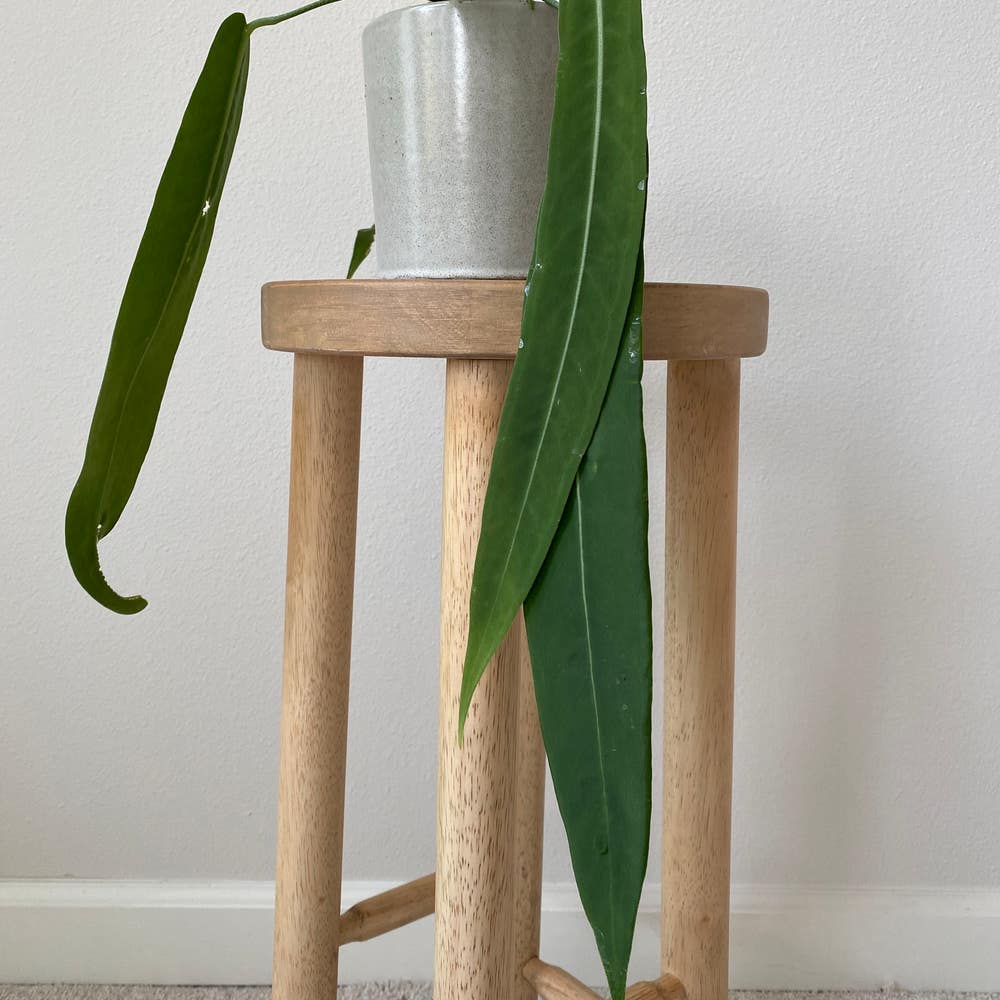
Anthurium pallidiflorum
By the Greg Editorial Team
Oct 18, 2024•5 min read
This article was created with the help of AI so we can cover more plants for you. May contain errors. See one? Report it here.
- 🌞 Anthuriums need 4-6 hours of bright, indirect sunlight; avoid direct sun to prevent scorch.
- 💧 Water every 1-2 weeks, letting the top inch of soil dry out between waterings.
- 🌿 Maintain humidity levels of 60-80% for optimal growth in your indoor Anthurium.
Light Requirements
Ideal Light Conditions 🌞
Anthuriums thrive in bright, indirect sunlight for about 4-6 hours daily. Direct sunlight can scorch their leaves, so it's crucial to find that sweet spot.
Role of Grow Lights 💡
For those low-light environments, grow lights become essential. They are particularly beneficial during winter months or in dimly lit rooms, ensuring your Anthurium gets the light it craves.
Choosing the Best Grow Light 🛠️
When selecting grow lights, consider the type: LED or fluorescent. For small to medium-sized plants, a wattage of 20-40 watts is recommended, and opting for full spectrum lights will support balanced growth.
Understanding these light requirements will set your Anthurium on the path to thriving. Next, let’s dive into the watering needs to keep your plant healthy and vibrant.
Watering Needs
Frequency and Method 🌊
To keep your Anthurium thriving, water it every 1-2 weeks. Make sure to let the top inch of soil dry out between waterings to prevent over-saturation.
Water thoroughly until it drains from the bottom of the pot. This ensures the roots receive adequate moisture without sitting in water.
Signs of Overwatering and Underwatering 🚨
Overwatering can lead to yellowing leaves, wilting, and even root rot. If you notice these symptoms, it’s time to reassess your watering schedule.
On the flip side, underwatering shows up as drooping leaves, dry soil, and brown tips. Keep an eye on your plant's cues to maintain its health and vibrancy.
With proper watering habits, your Anthurium will flourish, setting the stage for the next essential care aspect: humidity and temperature.
Humidity and Temperature
Ideal Humidity Levels 🌧️
For your Anthurium to thrive, aim for humidity levels between 60-80%. This range mimics its natural tropical habitat, promoting lush growth and vibrant blooms.
To boost humidity, consider using a humidifier, placing pebble trays filled with water beneath your pots, or grouping your plants together. These methods create a microclimate that keeps your Anthurium happy and healthy.
Temperature Preferences 🌡️
Anthuriums prefer a cozy temperature range of 65°F to 80°F (18°C to 27°C). Keeping them within this range ensures optimal growth and flowering.
During colder months, be mindful of drafts. Protect your plant from chilly air to prevent stress and maintain its vibrant appearance.
Soil Type
Best Soil Mix 🌱
For your Anthurium to thrive, a well-draining potting mix is essential. Aim for a blend that includes peat moss, perlite, and orchid bark.
This combination ensures that the soil retains some moisture while allowing excess water to escape. Proper drainage is crucial to prevent root rot, which can be a common issue for indoor plants.
Importance of Drainage 🚰
Good drainage promotes healthy growth and keeps your plant's roots happy. When water accumulates, it can lead to soggy soil, which is a breeding ground for root rot.
To maintain optimal conditions, always check that your pot has drainage holes. This simple step can make a world of difference in your plant's health.
With the right soil mix and drainage in place, your Anthurium will be set up for success. Next, let’s explore how to keep your plant hydrated properly.
Common Issues and Solutions
🐛 Pests and Diseases
Common Pests
Anthuriums can fall victim to a few pesky pests, including aphids, spider mites, and mealybugs. Look out for sticky residue on leaves, webbing, or white cotton-like masses, as these are telltale signs of an infestation.
Prevention and Treatment
To keep your Anthurium healthy, conduct regular inspections and wipe down leaves to remove dust and potential pests. If you spot any unwanted guests, consider using insecticidal soap, neem oil, or even introducing beneficial insects to combat the problem.
🌪️ Environmental Stress
Signs of Stress
Your Anthurium may show signs of stress through leaf curling, browning tips, or stunted growth. These symptoms often indicate that the plant is unhappy with its current environment.
Solutions for Maintaining Conditions
To help your plant thrive, adjust its light exposure and humidity levels as needed. You can also use humidity trays or relocate the plant to a more suitable spot to create a more comfortable atmosphere for growth.
By addressing these common issues, you can ensure your Anthurium remains vibrant and healthy. Next, let’s explore the ideal placement and maintenance tips to keep your plant flourishing.
Placement and Maintenance
🌍 Best Locations
Finding the right spot for your anthurium is crucial. Aim for locations near east or west-facing windows where it can soak up filtered light.
Avoid placing your plant in drafty areas or spots with extreme temperature fluctuations. This will help maintain its health and vibrancy.
🧹 Tips for Maintenance
✂️ Pruning and Cleaning
Regular maintenance keeps your anthurium thriving. Wipe the leaves with a damp cloth to remove dust and enhance its ability to photosynthesize.
Don't hesitate to prune dead or yellowing leaves. This encourages new growth and keeps your plant looking its best.
🌱 Managing Growth and Repotting
Repotting is essential for healthy growth. Aim to repot your anthurium every 1-2 years or when it becomes root-bound.
Watch for signs that repotting is needed, such as roots growing out of the drainage holes. This indicates your plant is ready for a larger home.
By following these placement and maintenance tips, your indoor anthurium will flourish, setting the stage for a healthy, vibrant plant. Next, let’s explore the watering needs to ensure your anthurium stays hydrated and happy.
⚠️ Safety First
This content is for general information and may contain errors, omissions, or outdated details. It is not medical, veterinary advice, or an endorsement of therapeutic claims.
Always consult a qualified healthcare professional before using any plant as food, medicine, or supplement.
Never eat any plant (or feed one to pets) without confirming its identity with at least two trusted sources.
If you suspect poisoning, call Poison Control (800) 222-1222, the Pet Poison Helpline (800) 213-6680, or your local emergency service immediately.
Spotted an error? Please report it here.
Keep your Anthurium thriving 🌿 by following these steps and let Greg provide you with tailored care reminders to ensure it gets the perfect light, water, and humidity it craves!