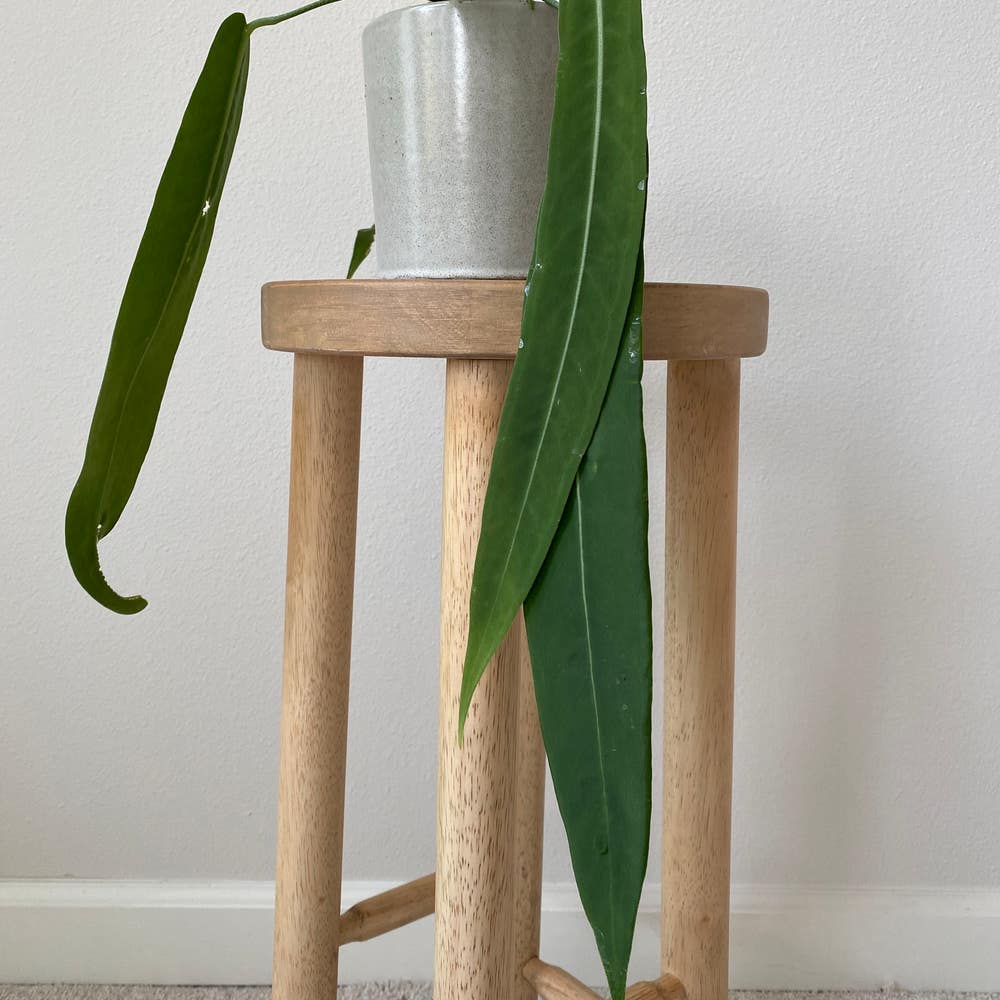
How to Know When to Repot an Anthurium pallidiflorum?
Anthurium pallidiflorum
By the Greg Editorial Team
Jun 18, 2024•3 min read
This article was created with the help of AI so we can cover more plants for you. May contain errors. See one? Report it here.
- Roots peeking out? Time to repot your Anthurium pallidiflorum.
- 🌱 Choose a slightly larger pot with proper drainage for repotting.
- Post-repot care: Bright light, consistent warmth, and careful watering.
Spotting the Telltale Signs for Repotting
🌱 Root Tango: When Roots Out-Dance the Pot
Roots should stay hidden, but when they're escaping through drainage holes, it's a clear-cut sign: your Anthurium pallidiflorum is root-bound. This isn't a quest for freedom—it's a cramped cry for help.
💧 Water Woes: Drainage Drama and Soil Sogginess
If watering your plant feels like a pointless pour, and the soil dries out faster than a gossip in a small town, it's time to rethink the pot. Poor drainage isn't just annoying; it's a red flag for repotting.
🌿 Growth Spurts and Health Hints
Monitor your Anthurium like it's under surveillance. Stunted growth or leaves that droop more than a teenager asked to do chores are your plant's non-verbal SOS. A healthy Anthurium should be perky and growing, not stagnant.

The Repotting Rundown: A Step-by-Step Guide
🌱 Choosing the Right Size for Your Anthurium's New Pad
Selecting a new pot for your Anthurium pallidiflorum isn't rocket science, but it's close. Go for a pot that's just a size up from the current one—this isn't a mansion upgrade, just a cozy room addition. Drainage holes? Non-negotiable. Your plant's roots despise waterlogged conditions like cats despise water.
🌿 Soil Prep: Laying the Foundation for Success
Soil is the unsung hero in your Anthurium's life story. Chunky aroid mix—think pine bark or charcoal—is the way to go. It's like a jungle gym for roots, providing ample space to climb and explore. Before your plant takes the plunge into its new home, ensure that the soil is as ready as a prepped and primed canvas.

Picking the Perfect Pot: Material Matters
🌱 Breathable Beauties: Terracotta and Its Pals
Terracotta pots are the unsung heroes for root health, thanks to their porous nature that promotes air flow and prevents waterlogging. But they're thirsty, requiring more frequent watering, and their weight can be a workout if you love to redecorate.
💡 Light and Tight: When Plastic Makes Perfect
Plastic pots are the lightweights in the pot world, ideal for those who tend to forget watering. However, their moisture-retention superpower can backfire, leading to overwatered, soggy soil. Plus, they're not the best for the environment, if that's a concern.
🏺 Heavy Hitters: The Role of Ceramic and Others
Ceramic pots bring elegance to the table, with a variety of glazes and designs. They're less porous than terracotta, so watch out for water retention. And while they're stable, they can be as heavy as your last relationship, so consider their placement carefully.

Anthurium Aftercare: Post-Repotting Pampering
💧 Watering Wisdom: Quenching Your Plant's Thirst the Right Way
After repotting, your Anthurium pallidiflorum is parched and craving hydration. Water thoroughly once, then let the top inch of soil dry out before the next watering. This isn't a camel; it can't store water for long hauls. Keep it moist, but not waterlogged, to avoid the dreaded root rot. Remember, overwatering is the fast track to a plant funeral.
🌞 Light and Temperature: Keeping Your Anthurium Cozy and Bright
Post-repotting, your Anthurium is like a vampire—it needs to avoid direct sunlight. Bright, indirect light is its best friend, helping it recover without the risk of sunburn. As for temperature, think tropical paradise—a consistent, warm environment without the drama of temperature swings. Keep it away from drafts and radiators, because this plant doesn't appreciate surprises.
⚠️ Safety First
This content is for general information and may contain errors, omissions, or outdated details. It is not medical, veterinary advice, or an endorsement of therapeutic claims.
Always consult a qualified healthcare professional before using any plant as food, medicine, or supplement.
Never eat any plant (or feed one to pets) without confirming its identity with at least two trusted sources.
If you suspect poisoning, call Poison Control (800) 222-1222, the Pet Poison Helpline (800) 213-6680, or your local emergency service immediately.
Spotted an error? Please report it here.
Spot the telltale signs that your Anthurium needs a new pot and succeed with seamless transitions 🌿 using Greg's tailored reminders for watering and care post-repotting.