7 Ideal Companions for Your Anthurium 🌺
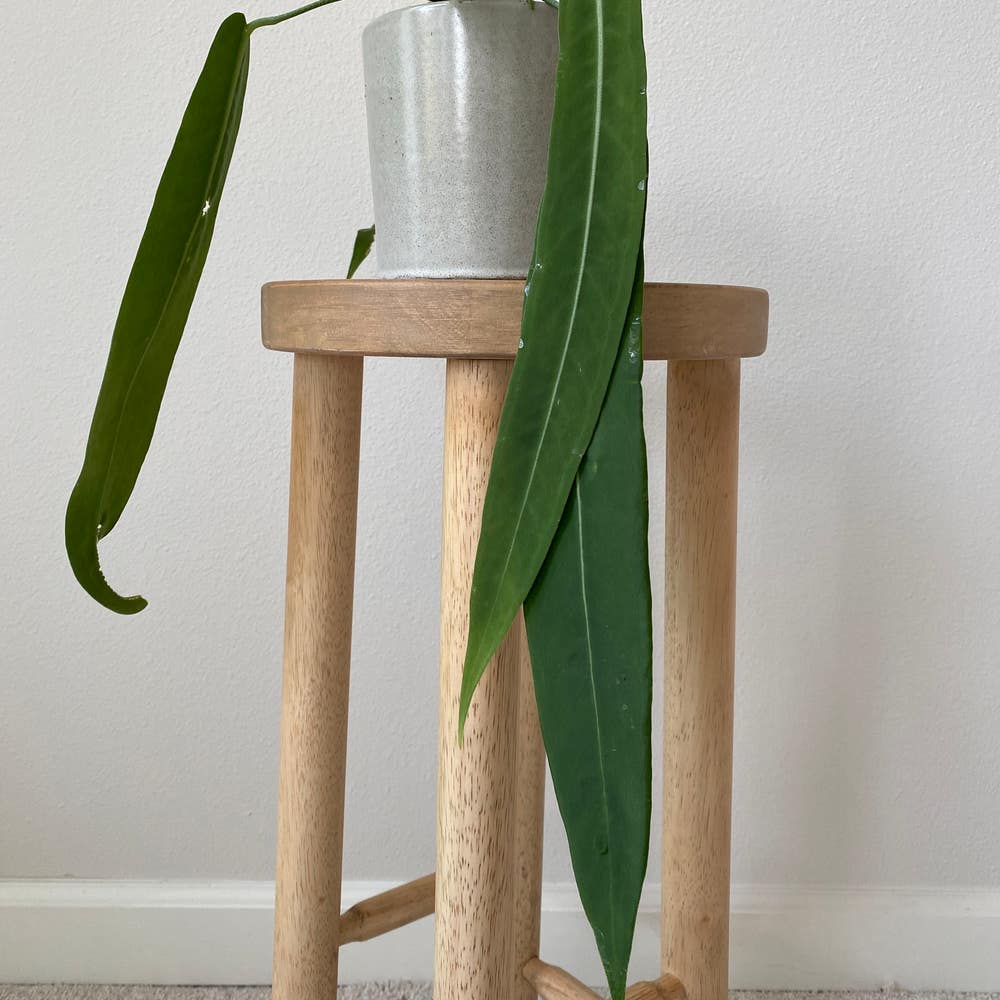
Anthurium pallidiflorum
By the Greg Editorial Team
Oct 18, 2024•5 min read
This article was created with the help of AI so we can cover more plants for you. May contain errors. See one? Report it here.
- 🌿 Peace Lily and Spider Plant are perfect companions for Anthurium's care needs.
- 🌈 Ferns and Calathea add texture and color, enhancing your tropical indoor garden.
- 🚫 Avoid cacti and succulents; they harm moisture-loving Anthuriums with their dry conditions.
Ideal Companion Plants
🌺 Peace Lily
The Peace Lily is a fantastic companion for your Anthurium. Both plants thrive in similar humidity and light conditions, making them easy to care for together.
Additionally, Peace Lilies have natural pest-repellent properties, helping to keep your Anthurium healthy and vibrant.
🕷️ Spider Plant
Another excellent choice is the Spider Plant, known for its air-purifying qualities. Its striking foliage provides a beautiful contrast to the glossy leaves of your Anthurium.
This plant is also easy to care for, making it a perfect companion for beginners.
🍃 Pothos
Pothos is a versatile option that adapts well to low-light conditions. Its trailing growth habit adds a dynamic touch to your plant arrangement.
Plus, Pothos requires minimal care, allowing you to enjoy its beauty without much effort.
🌿 Philodendron
Philodendrons share similar care needs and growth habits with Anthuriums. This compatibility makes them an ideal pairing for a lush, tropical vibe.
Their vibrant leaves enhance the overall aesthetic, creating a cohesive look in your plant collection.
🌱 Ferns
Ferns thrive in high humidity, making them a great match for your Anthurium. Their lush greenery adds depth and texture to your indoor garden.
These plants not only look stunning but also contribute to a humid environment that both species love.
🎨 Calathea
Calathea plants flourish in similar conditions as Anthuriums. Their unique leaf patterns bring visual interest and variety to your plant display.
With their vibrant colors and textures, Calatheas can elevate your indoor space.
🌈 Bromeliads
Bromeliads are known for their colorful flowers, which beautifully complement the striking appearance of Anthuriums. They share similar watering needs, making them easy to care for together.
This pairing can create a stunning focal point in any room, adding a splash of color and Marigolds
Incorporating these ideal companion plants not only enhances the beaBasilf your Anthurium but also supports its health and growth. Next, let’s explore which plants to avoid for a thriving indoor garden.
Plants to AvAnthurium🌵 Cacti
Cacti may be popular for their unique shapes, but they don't play well Biodiversityums. Their dissimilar water needs can lead to trouble, as Anthuriums thrive in moist environments while cacti prefer dry conditions.
🌿 Succulents
Succulents are another no-go for your Anthurium setup. They favor low humidity, which can risk over-drying the soil around your Anthurium, leading to stress and poor growth.
🌱 Certain Herbs
While herbs can be delightful additions to a garden, some may not mesh well with your Anthurium. Many herbs have different light and moisture requirements, and they can attract pests that could harm your tropical beauty.
Avoiding these plants will help ensure your Anthurium thrives in a harmonious environment. Next, let’s explore how companion plants can actually help manage pests effectively.
Pest Management
Companion plants play a crucial role in pest management for your Anthurium. By strategically selecting certain plants, you can create a natural barrier against pests, reducing the need for chemical interventions.
🐞 How Ctropical Plants Deter Pests
Certain plants emit scents or compounds that repel common pests. For instance, the Peace Lily not only thrives in similar conditions but also helps keep pests at bay with its natural pest-repellent properties.
🌼 Examples of Pest-Repellent Companions
- Marigolds: Known for their vibrant flowers, they deter aAnthurium nematodes.
- Basil: This aromatic herb repels flies and mosquitoes, making it a great companion.
- Nasturtiums: These colorful blooms attract aphids away from your Anthurium, acting as a trap crop.
🌱 Importance of Biodiversity in Pest Management
Biodiversity is essential for a healthy garden ecosystem. By incorporating a variety of companion plants, you enhance resilience against pests and diseases. This diversity creates a balanced environment where beneficial insects can thrive, further protecting your plants.
Incorporating these pest-repellent companions not only safeguards your Anthurium but also enriches your indoor garden. Next, let’s explore how these companion plants can elevate the visual appeal of your arrangements.
Visual Appeal
Companion plants can significantly enhance the aesthetic of your Anthurium arrangements. By selecting the right plants, you create a vibrant, lush display that draws the eye.
🎨 Color and Texture Combinations
Mixing different colors and textures adds depth to your plant collection. For instance, pairing the glossy leaves of a Peace Lily with the striking foliage of a Spider Plant creates a visually appealing contrast.
🌴 Creating a Cohesive Tropical Theme
To achieve a cohesive tropical theme, choose plants that share similar care requirements. This not only simplifies maintenance but also ensures that your arrangement looks harmonious and well-planned.
Consider incorporating plants like Philodendron and Ferns for their lush greenery. Together, they can evoke a serene, jungle-like atmosphere that complements your Anthurium beautifully.
Incorporating a variety of companion plants not only boosts visual interest but also fosters a sense of balance in your indoor garden. This thoughtful arrangement can transform any space into a tropical oasis, inviting a sense of tranquility and joy.
As you explore the world of companion planting, remember that the right combinations can elevate your Anthurium experience. Next, let’s delve into the plants you should avoid to keep your Anthurium thriving.
⚠️ Safety First
This content is for general information and may contain errors, omissions, or outdated details. It is not medical, veterinary advice, or an endorsement of therapeutic claims.
Always consult a qualified healthcare professional before using any plant as food, medicine, or supplement.
Never eat any plant (or feed one to pets) without confirming its identity with at least two trusted sources.
If you suspect poisoning, call Poison Control (800) 222-1222, the Pet Poison Helpline (800) 213-6680, or your local emergency service immediately.
Spotted an error? Please report it here.
Create a thriving indoor oasis 🌴 for your Anthurium with Greg's tailored care reminders, ensuring each companion plant gets the love it needs to flourish!