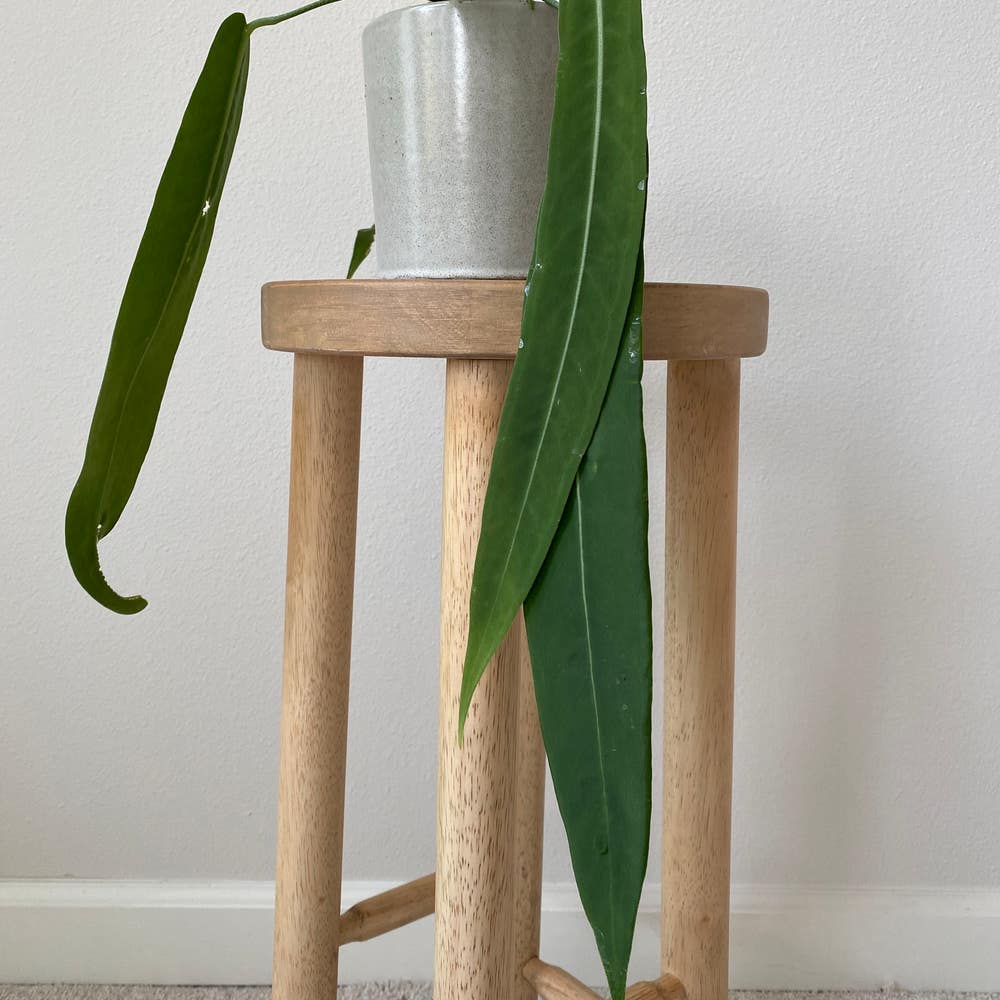
How Can You Tell If A Anthurium pallidiflorum Is Dying?
Anthurium pallidiflorum
By the Greg Editorial Team
Jun 18, 2024•4 min read
This article was created with the help of AI so we can cover more plants for you. May contain errors. See one? Report it here.
- 🍂 Yellow leaves and foul odor signal over-watering and root rot.
- 🌞 Brown, crispy edges on leaves mean too much sun; seek indirect light.
- 🌡️ Maintain 60-75°F to prevent wilting and slowed growth from temperature stress.
When Water Doesn't Flow Right
🌊 Over-watering and Root Rot
Yellow leaves and a foul odor are distress flares from your Anthurium pallidiflorum. It's drowning in your kindness.
To dry out the drama, first stop watering. Unpot the plant, inspect for brown, mushy roots, and trim the rot. Repot with a well-draining mix and ensure the pot has drainage holes.
🏜️ Under-watering Woes
Crispy tips and lightweight pots signal a hydration crisis. Your Anthurium is as neglected as last year's gym membership.
To quench the thirst, water deeply but don't create a swamp. Aim for a consistent schedule that keeps the soil evenly moist. Avoid the extremes of a monsoon or a drought.

Light and Temperature Tango
🌞 Too Much Sun, Not Enough Fun
Sunburnt leaves are your Anthurium pallidiflorum's way of saying it's had too much fun in the sun. Recognize the distress through brown, crispy edges or bleached spots.
Shifting shades is crucial. Your plant craves bright, indirect light, not a harsh glare. Position it where the light filters softly, like through a sheer curtain.
❄️ Chilly Leaves and Droopy Dreams
When your Anthurium shivers, it's not vibing with the temperature. Temperature stress shows up as wilting leaves or slowed growth.
Keeping it cozy means maintaining a stable climate. Think steady spring day vibes, away from drafts or heat sources. Aim for a sweet spot between 60-75°F (15-24°C).

Uninvited Guests and Unseen Foes
🐛 Pests: The Tiny Terrors
Pests can turn your Anthurium pallidiflorum into an all-you-can-eat buffet. Spider mites weave a telltale web, while mealybugs leave a cotton-like residue. Aphids might give your plant a sticky coating.
🐜 Bug Busters: Identifying and Evicting Pests
Check under leaves for these critters' hideouts. A strong water spray can dislodge the lightweight pests. For stubborn squatters, insecticidal soap or neem oil are your eviction agents. Introducing ladybugs can naturally reduce the pest population.
🍄 Mold and Fungus Among Us
Mold and fungus are the party poopers of the plant world. Powdery mildew dusts leaves, and fuzzy growths signal a fungal fiesta.
🔍 Spotty Leaves and Funky Smells: Detecting Fungal Issues
Yellowing leaves can indicate a deeper problem. Regular check-ups are crucial for early detection. If your plant's soil smells like a forgotten gym locker, it's time for a fungal intervention.
✨ Clearing the Air: Mold and Fungus Fixes
Sunlight is mold's nemesis. If you spot mold, remove it with a spoon and isolate it like last week's leftovers. Improve airflow around your plant to prevent future fungal gatecrashers. In severe cases, a fungicide might be necessary—think of it as the bouncer for your plant's health club.

The Quick-Fix Checklist
💛 Yellow Leaves: Overwatering Alert
- Check the soil: If it's soggy, ease up on the H2O.
- Root inspection: Slimy or dark roots? It's time for a trim and repot.
🍂 Crispy Tips: Thirsty Plant SOS
- Soil test: Bone dry? Water deeply but don't drown it.
- Humidity check: Crank it up with a pebble tray or humidifier.
🔥 Leaf Scorch: Too Much Sun
- Relocate: Move your plant to a spot with bright, indirect light.
- Monitor: Watch for new, healthy growth as a sign of recovery.
😓 Droopy Leaves: Chilly Plant Blues
- Temperature tweak: Keep it between 65-75°F (18-24°C).
- Drafts: Shield your plant from cold air and heat vents.
🐜 Pests: Unwanted Guests
- Inspect: Look under leaves and near stems for critters.
- Evict: Use insecticidal soap or neem oil for a pest-free zone.
🍄 Fungus: The Silent Invader
- Spot check: Look for unusual leaf spots or mildew.
- Airflow: Increase circulation and consider a fungicide if needed.
🦠 Root Rot: The Stealthy Killer
- Sniff test: A stinky pot is a cry for help.
- Act fast: Remove affected roots and repot in fresh, well-draining soil.
🌿 General Care: Keep It Thriving
- Clean leaves: Dust-free foliage means a happy plant.
- Regular feed: A nitrogen-rich fertilizer every 3-4 weeks in growing season.
Remember, your Anthurium pallidiflorum relies on you to decode its distress signals. Stay vigilant and respond with precision—your plant will thank you with lush, vibrant growth.
⚠️ Safety First
This content is for general information and may contain errors, omissions, or outdated details. It is not medical, veterinary advice, or an endorsement of therapeutic claims.
Always consult a qualified healthcare professional before using any plant as food, medicine, or supplement.
Never eat any plant (or feed one to pets) without confirming its identity with at least two trusted sources.
If you suspect poisoning, call Poison Control (800) 222-1222, the Pet Poison Helpline (800) 213-6680, or your local emergency service immediately.
Spotted an error? Please report it here.
Revive your Anthurium pallidiflorum by decoding its distress signals, and ensure its perfect health with tailored care reminders 🌱 from Greg.