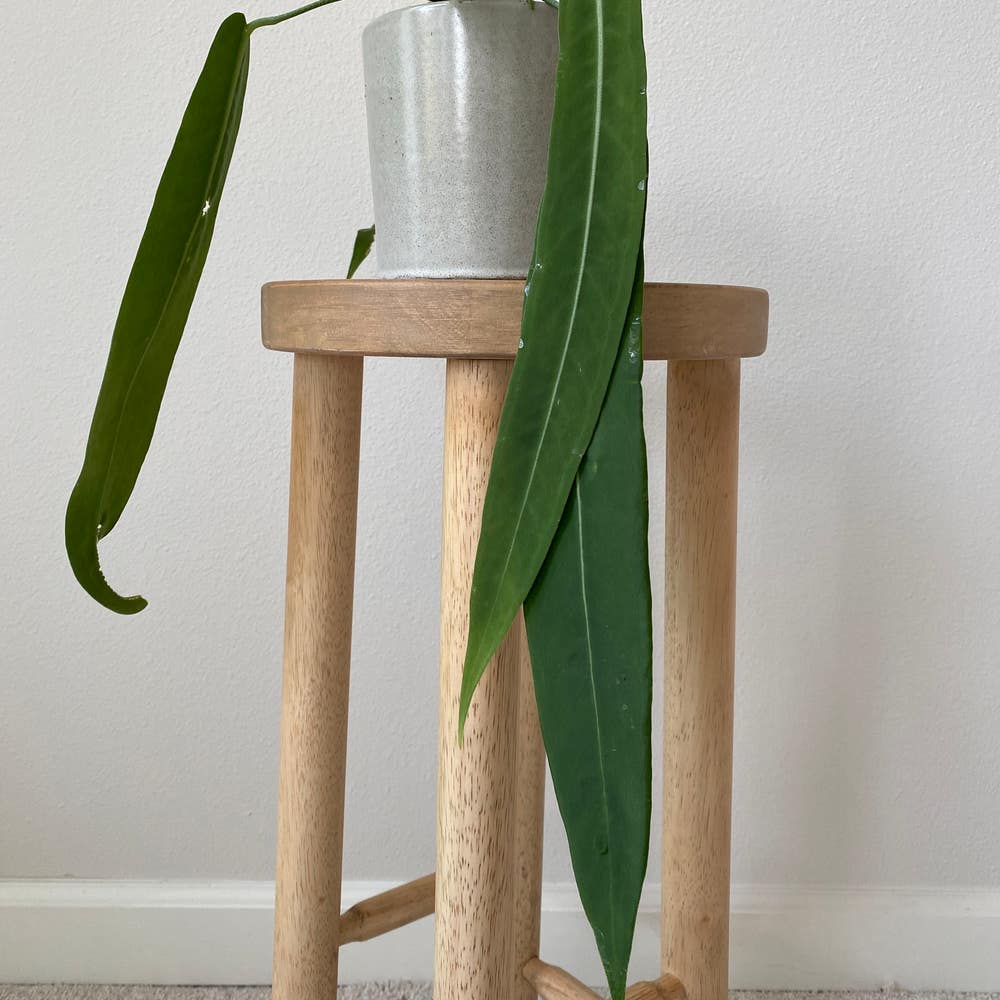
Why Does My Anthurium pallidiflorum Have Yellow Leaves? 💛
Anthurium pallidiflorum
By the Greg Editorial Team
Jun 18, 2024•5 min read
This article was created with the help of AI so we can cover more plants for you. May contain errors. See one? Report it here.
- 🌱 Yellow leaves signal distress; address watering, light, nutrients, pests.
- 💧 Adjust watering with plant's cues and moisture meter.
- 🌡️ Maintain 65°F-80°F and bright, indirect light for health.
When Yellow Leaves Signal Trouble
🚨 Spotting the Symptoms
Yellow leaves can be an SOS from your Anthurium pallidiflorum. Natural aging shows a gradual yellowing of lower leaves. However, if upper or new leaves are turning yellow, it's time for action.
🕵️♂️ Common Culprits to Consider
Yellow leaves could be crying out about watering mishaps, excessive or insufficient light, temperature extremes, nutrient imbalances, or pest invasions. Let's break these down.

Getting Watering Just Right
💧 The Perils of Over and Underwatering
Overwatering turns your Anthurium pallidiflorum's pot into a swampy mess, leading to yellow leaves and potential root rot. On the flip side, underwatering leaves the soil bone-dry and your plant's leaves as crisp as overcooked bacon.
Signs of overwatering include leaves that wilt despite the soil being wet. Underwatered plants, however, will have leaves that are dry, curled, and may drop prematurely.
Fine-Tuning Your Watering Technique
Adjusting watering frequency isn't just about sticking to a calendar. It's about responding to your plant's thirst cues. If the top inch of soil is dry, it's time for a drink. If it's damp, hold off on the watering can.
Tools like a soil moisture meter can take the guesswork out of watering. Remember, your Anthurium pallidiflorum's water needs change with the seasons—more in the summer, less in the winter.
Avoid watering leaves directly to prevent mold. Instead, aim for the base of the plant. And if you've been overzealous with the H2O, let the soil dry out before giving it another go.
For those underwatered plants, think of watering as a refreshing shower for the roots. Just make sure the soil has a chance to dry a bit before the next watering session.
Catch underwatering early by checking soil moisture regularly. Severely damaged leaves won’t bounce back, but proper hydration will encourage new, healthy growth.
Remember, finding the watering sweet spot is key. Too much or too little, and your Anthurium pallidiflorum will be sure to let you know.

Light and Temperature: Finding the Sweet Spot
🌞 The Impact of Light and Heat on Leaf Color
Anthurium pallidiflorum's leaves can signal distress with a yellow hue when light and temperature aren't in their sweet spot. Too much sun scorches leaves, while insufficient light leaves them pining for lumens.
🌿 Creating the Ideal Environment
Bright, indirect light is the Anthurium's jam. It's like the plant's version of a perfect spring day—warm but not hot, light but not glaring. To prevent the yellow-leaf blues, rotate your plant for even light distribution and keep it away from the drama of drafts or direct AC blasts.
Keep temperatures consistent, ideally between 65°F to 80°F. Think of your Anthurium as a guest at a party—it doesn't want to be stuck by the oven or the freezer, but rather comfortably mingling in the middle. Use thermometers to monitor the scene and make sure your plant keeps its cool—or warmth.

Feeding Your Anthurium pallidiflorum
🌿 Nutrient Deficiencies and Leaf Health
Yellowing leaves on your Anthurium pallidiflorum can be a red flag for nutrient deficiencies. Nitrogen, phosphorus, or potassium shortages are the usual suspects. A pale chorus line of leaves might indicate a nitrogen dip, while a lackluster performance in growth could point to potassium playing hooky. Get your hands dirty with a soil test to pinpoint the missing pieces of the nutrient puzzle.
🍽️ Crafting a Balanced Diet
Choosing the right fertilizer is like picking the perfect entrée from a plant's menu. Start with a half-strength liquid fertilizer, rich in phosphorous, every couple of weeks when your Anthurium is in its growth groove. But remember, moderation is your mantra. Overfeeding is as harmful as neglect—think of it as force-feeding your plant a Thanksgiving meal every day. As the growing season wanes, ease up on the buffet. Your Anthurium's appetite decreases as it prepares for its plant version of hibernation. Keep a keen eye on the calendar; early spring is your cue to ramp up the feeding frenzy, aligning with your plant's natural growth spurt.
Keeping Pests at Bay
🐜 Unwanted Guests that Cause Yellow Leaves
Your Anthurium pallidiflorum might be throwing a yellow-leaf party, and pests are the uninvited guests. Mealybugs, those fluffy white destroyers, suck the life out of your plant, leaving yellow despair in their wake. Fungus gnats are more than just annoying flies; their larvae feast on roots, causing yellowing and wilting. And let's not forget about scale, the clingy freeloaders that can also turn your plant's leaves yellow.
🦟 Effective Pest Control Strategies
To keep these pests from crashing your Anthurium pallidiflorum's vibe, you've got to be the bouncer. Regular inspections are your best defense—catch them early, and you're golden. If you spot these party poopers, it's time for action. Neem oil or insecticidal soap can show them the door without the collateral damage of harsh chemicals. Remember, a clean plant is a happy plant; wiping down leaves can deter pests and keep your anthurium looking sharp. Keep the soil on the drier side to discourage fungus gnats from setting up camp. And if you're bringing new plants home, quarantine them first—no one likes a pest outbreak. Stay vigilant, and your Anthurium pallidiflorum will thank you with vibrant, non-yellow leaves.
⚠️ Safety First
This content is for general information and may contain errors, omissions, or outdated details. It is not medical, veterinary advice, or an endorsement of therapeutic claims.
Always consult a qualified healthcare professional before using any plant as food, medicine, or supplement.
Never eat any plant (or feed one to pets) without confirming its identity with at least two trusted sources.
If you suspect poisoning, call Poison Control (800) 222-1222, the Pet Poison Helpline (800) 213-6680, or your local emergency service immediately.
Spotted an error? Please report it here.
Keep your Anthurium pallidiflorum's leaves radiantly green 🍃 with Greg's personalized care reminders, helping you prevent yellowing with just the right amount of water, light, and nutrients.