❤️ 3 Do's and Don'ts of Growing Anthurium
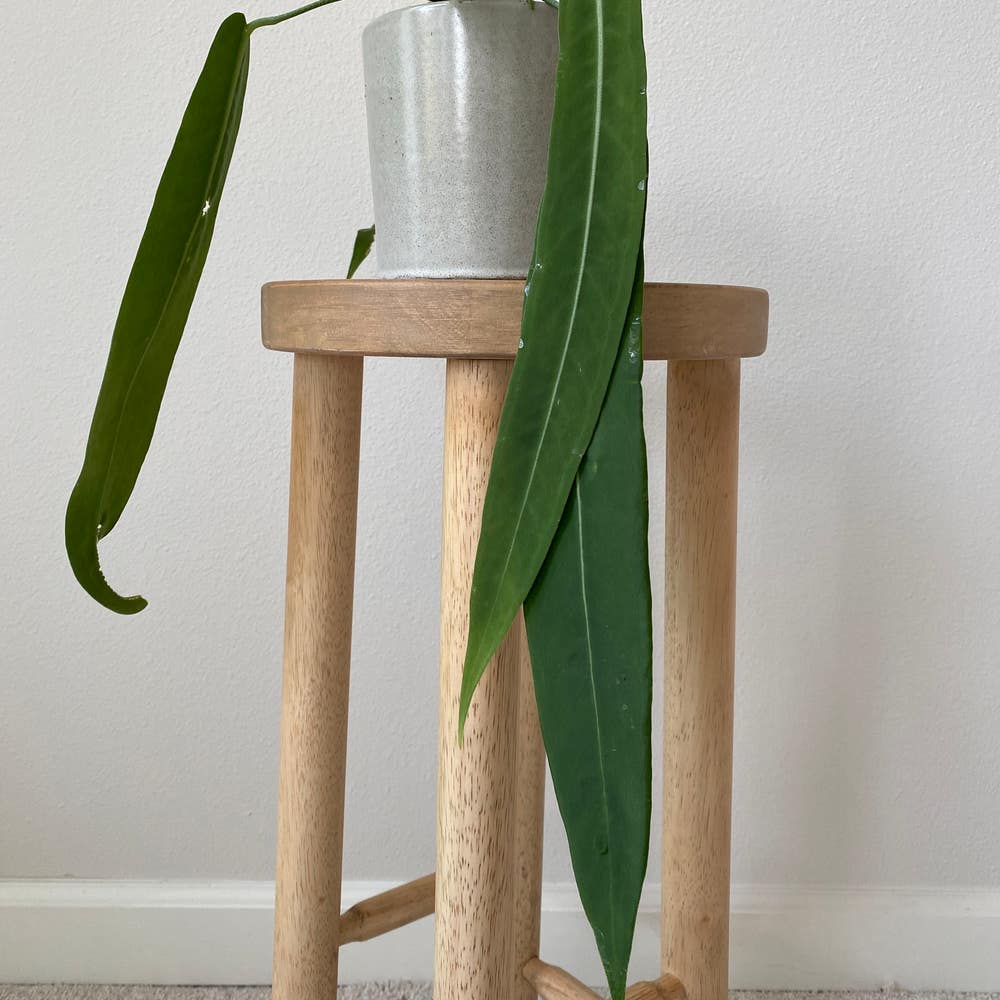
Anthurium pallidiflorum
By the Greg Editorial Team
Oct 18, 2024•6 min read
This article was created with the help of AI so we can cover more plants for you. May contain errors. See one? Report it here.
- 🌱 Anthuriums thrive indoors and outdoors; each setting offers unique growth benefits.
- 💧 Maintain humidity above 60% and temperatures between 65°F to 80°F for optimal health.
- 🌞 Bright, indirect light is crucial; avoid direct sunlight to prevent leaf burn.
Choosing the Right Location
🌱 Indoor vs. Outdoor Growing Conditions
Growing Anthurium can be a rewarding experience, whether you choose to keep them indoors or outdoors. Indoor growing offers controlled environments, protecting your plants from harsh weather, while outdoor conditions can enhance their natural growth with ample sunlight and fresh air.
When container gardening, consider the space and light availability. Indoor plants can thrive on windowsills, while outdoor pots should be placed where they can receive filtered sunlight.
💡 Light Requirements for Optimal Growth
Anthuriums flourish in bright, indirect light. This balance helps them produce vibrant blooms without the risk of sunburn.
If your Anthurium shows signs of insufficient light, such as leaf curling or poor flowering, it’s time to adjust its location. A little repositioning can make a big difference in their health and appearance.
🌡️ Temperature and Humidity Preferences
For optimal growth, maintain a temperature range of 65°F to 80°F (18°C to 27°C). This range mimics their native tropical environment, promoting healthy development.
Humidity is equally crucial; aim for levels of 60% or higher. Low humidity can lead to leaf curling and browning, so consider using a humidifier or pebble trays to maintain moisture.
With the right location, light, temperature, and humidity, your Anthurium will thrive beautifully. Next, let’s explore the best soil preparation and planting techniques to ensure your plants have a solid foundation.
Soil Preparation and Planting
🌱 Best Soil Mix for Anthurium
To thrive, Anthurium requires a well-draining, aerated soil rich in organic matter. A mix of peat moss, perlite, and orchid bark creates the ideal environment for healthy root development.
🪴 Potting Techniques for Container Growth
- Choosing the Right Pot Size: Select a pot that is 1-2 inches larger than the root ball to give your plant room to grow.
- Filling the Pot: Use the well-draining soil mix to ensure excess water can escape, preventing root rot.
- Planting Depth: Make sure the crown of the plant is level with the soil surface for optimal growth.
🌳 Transplanting Tips for Outdoor Planting
- Timing: The best time to transplant is in spring, after the last frost has passed.
- Spacing: Space your plants 12-18 inches apart to allow for proper air circulation, which helps prevent diseases.
- Hardening Off Process: Gradually acclimate your plants to outdoor conditions over 7-10 days to minimize transplant shock.
By following these soil preparation and planting techniques, you set your Anthurium up for success. Next, let’s dive into the essential aspects of watering and fertilizing to keep your plant thriving.
Watering and Fertilizing
Watering Frequency and Techniques 🌊
Anthuriums thrive on a consistent watering schedule. Allow the top inch of soil to dry out between waterings to prevent root rot.
When you water, do it thoroughly until it drains from the bottom. This ensures that the roots receive adequate moisture without sitting in water.
Types of Fertilizers Suitable for Anthurium 🌱
For optimal growth, use a balanced liquid fertilizer, such as a 20-20-20 formula, during the growing season. This nutrient-rich option supports vibrant blooms and lush foliage.
Fertilize every 4-6 weeks while the plant is actively growing. This regular feeding helps maintain the health and vitality of your Anthurium.
Signs of Overwatering and Underwatering 🚨
Recognizing the signs of overwatering is crucial. Yellowing leaves and root rot are clear indicators that your plant is getting too much moisture.
On the flip side, underwatering can lead to wilting and browning leaf tips. Keep an eye on your plant's condition to ensure it stays happy and healthy.
Understanding these watering and fertilizing essentials will set you on the right path to nurturing your Anthurium. Next, let’s explore the importance of pruning and maintenance for continued growth and beauty.
Pruning and Maintenance
✂️ When and How to Prune Anthurium
The best time to prune your Anthurium is early spring, just before new growth starts. Use clean, sharp scissors to remove any dead or damaged leaves, promoting healthier plants.
🌼 Importance of Deadheading and Leaf Care
Deadheading is crucial as it encourages new blooms and supports overall plant health. Regularly wipe the leaves to remove dust, enhancing photosynthesis and keeping your plant vibrant.
📅 Seasonal Care Routines
Spring: Focus on fertilization and repotting to give your Anthurium a fresh start.
Summer: Increase watering and check humidity levels to keep your plant thriving.
Fall/Winter: Reduce watering and keep an eye out for pests, ensuring your Anthurium stays healthy through the colder months.
By following these pruning and maintenance tips, you’ll set your Anthurium up for success, ensuring it flourishes beautifully year-round. Next, let’s explore common challenges and solutions to keep your plant in top shape.
Common Challenges and Solutions
🐞 Identifying and Treating Pests
Common Pests
Aphids are tiny, soft-bodied insects that can wreak havoc on your Anthurium. Look for curled leaves and a sticky residue on the plant; these are telltale signs of an infestation. To control aphids, you can spray them off with water or use insecticidal soap for a more targeted approach.
Mealybugs are another common pest that can affect your plant. They appear as white, cottony masses on stems and leaves. To treat them, dab a cotton swab in rubbing alcohol and apply it directly to the bugs, or use a systemic insecticide for more severe cases.
🦠 Addressing Diseases
Common Diseases
Root rot is a serious issue that can occur if your Anthurium is overwatered. Symptoms include yellowing leaves and a foul smell from the soil. To prevent root rot, ensure your pot has adequate drainage and allow the top inch of soil to dry out between waterings.
Leaf spot is another disease to watch for, characterized by dark, water-soaked spots on the leaves. This can be caused by overwatering or poor air circulation. To treat leaf spot, remove affected leaves and improve airflow around the plant.
🌬️ Tips for Overcoming Environmental Stressors
Humidity is crucial for Anthurium health. If your home is dry, consider using a humidifier or placing a pebble tray filled with water beneath the pot. This will help maintain the humidity levels your plant craves.
Temperature fluctuations can stress your Anthurium, leading to poor growth. Keep your plant away from drafts and heat sources to maintain a stable environment. A consistent temperature between 65°F and 80°F (18°C to 27°C) will keep your Anthurium thriving.
As you navigate these challenges, remember that each solution brings you closer to a flourishing plant. With a little care and attention, your Anthurium can overcome obstacles and continue to brighten your space.
⚠️ Safety First
This content is for general information and may contain errors, omissions, or outdated details. It is not medical, veterinary advice, or an endorsement of therapeutic claims.
Always consult a qualified healthcare professional before using any plant as food, medicine, or supplement.
Never eat any plant (or feed one to pets) without confirming its identity with at least two trusted sources.
If you suspect poisoning, call Poison Control (800) 222-1222, the Pet Poison Helpline (800) 213-6680, or your local emergency service immediately.
Spotted an error? Please report it here.
Grow your Anthuriums like a pro 🌱 with Greg's tailored care reminders and expert tips to keep them thriving in any environment!