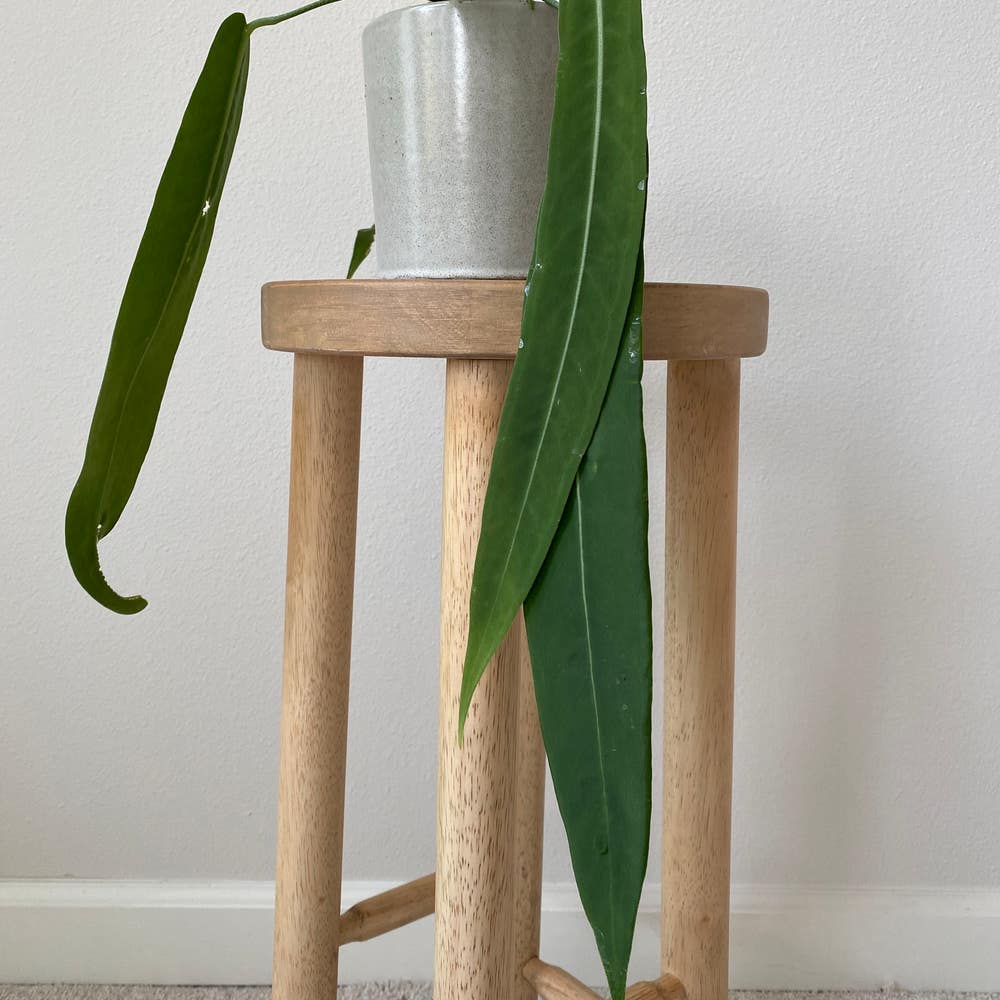
What Do I Do About Anthurium Pallidiflorum Root Rot?
Anthurium pallidiflorum
By the Greg Editorial Team
Jun 18, 2024•4 min read
This article was created with the help of AI so we can cover more plants for you. May contain errors. See one? Report it here.
- 🚩 Yellow leaves, wilting, and foul odor signal root rot in Anthuriums.
- ✂️ Trim rotten roots and repot for recovery; use fungicides or natural remedies.
- 💧🌱 Water wisely and ensure good drainage to prevent future root rot.
Spotting the Red Flags: Symptoms of Root Rot in Your Anthurium
🚩 Visual Distress Signals
- Yellowing leaves and wilting are not just a plant's bad day; they're distress signals.
- Look for stunted growth and leaf drop, the less obvious cries for help.
👃 Sniffing Out Trouble
- A foul odor from the soil is your cue to investigate further.
✋ Touch and Tell
- Mushy roots and dark discoloration are the definitive signs of root rot.

The Rescue Operation: Treating Root Rot in Anthurium Pallidiflorum
🏥 Surgical Precision
Root rot in your Anthurium pallidiflorum is like a bad haircut; it needs to be trimmed away meticulously. Here's how to give your plant a life-saving cut:
- Stop watering immediately to prevent further damage.
- Remove the plant from its pot and gently shake off the excess soil.
- Using sterilized scissors or shears, snip off the rotten roots. Healthy roots are firm and white; anything brown and mushy has to go.
- Clean the remaining roots with a mild soap solution or a disinfectant such as hydrogen peroxide.
🏨 Aftercare Essentials
Post-surgery, your Anthurium needs TLC to bounce back. Follow these steps to encourage new growth:
- Repot in fresh, well-draining soil, ideally a mix of all-purpose potting soil, orchid bark, and perlite.
- Place the plant in a shady area while it recovers.
- Hold off on fertilizing until you see signs of new leaves.
- Resume watering, but with a schedule that avoids overwatering.
💊 Fungicide vs. Natural Remedies
When it comes to post-op care, you've got options. Fungicides are like antibiotics for plants, but use them judiciously:
- Choose a fungicide appropriate for the severity of the rot, and follow the label instructions to the letter.
- For a softer approach, consider natural remedies like neem oil or a baking soda mixture. Apply thoroughly to affected areas.
Remember, the goal is to hit that sweet spot between dry and dead—water wisely and keep an eye on soil moisture. Your Anthurium's roots are counting on you.

Water Wisely: Preventing Root Rot Before It Starts
💧 The Art of Watering
Crafting the perfect watering schedule is less about sticking to a calendar and more about observing your Anthurium pallidiflorum's needs. Check the soil's moisture with a finger; if the top inch is dry, it's time to water. Seasons change, and so should your watering habits—more frequent in the summer, less in the winter.
🚰 Drainage and Potting Mix
Drainage holes are non-negotiable. They're the escape route for excess water, preventing the dreaded soggy soil scenario. Combine this with a well-draining potting mix and you've got a solid foundation. Remember, the size of the pot matters too—too big, and you risk water logging; too small, and your plant's thirst goes unquenched.

Keeping the Environment in Check
🌱 Soil Health and Composition
Soil isn't just dirt; it's the lifeblood of your Anthurium pallidiflorum. To prevent root rot, think of your potting mix as a gourmet meal for your plant's roots. Organic matter is the secret sauce, providing nutrients and improving soil texture. Peat moss or compost can make the mix just right, keeping it light and airy. Remember, a well-fed root is a happy root.
💨 Airflow and Humidity
Your Anthurium is not a fan of stuffy rooms. Air circulation is crucial; it's like giving your plant a breath of fresh air. Avoid the dead air of a corner; a gentle fan can work wonders. But watch out for drafts—they're the silent killers of tropical bliss. Humidity should be as consistent as your morning coffee, but not so high that your plant needs a raincoat. Balance is key, and a humidifier might just be your best friend in drier climates.
⚠️ Safety First
This content is for general information and may contain errors, omissions, or outdated details. It is not medical, veterinary advice, or an endorsement of therapeutic claims.
Always consult a qualified healthcare professional before using any plant as food, medicine, or supplement.
Never eat any plant (or feed one to pets) without confirming its identity with at least two trusted sources.
If you suspect poisoning, call Poison Control (800) 222-1222, the Pet Poison Helpline (800) 213-6680, or your local emergency service immediately.
Spotted an error? Please report it here.
Banish root rot 🚫 in your Anthurium with these essential tips and let Greg keep your watering on point to ensure it never returns.