🌺 Anthurium Is a Garden Plant, Not a Weed
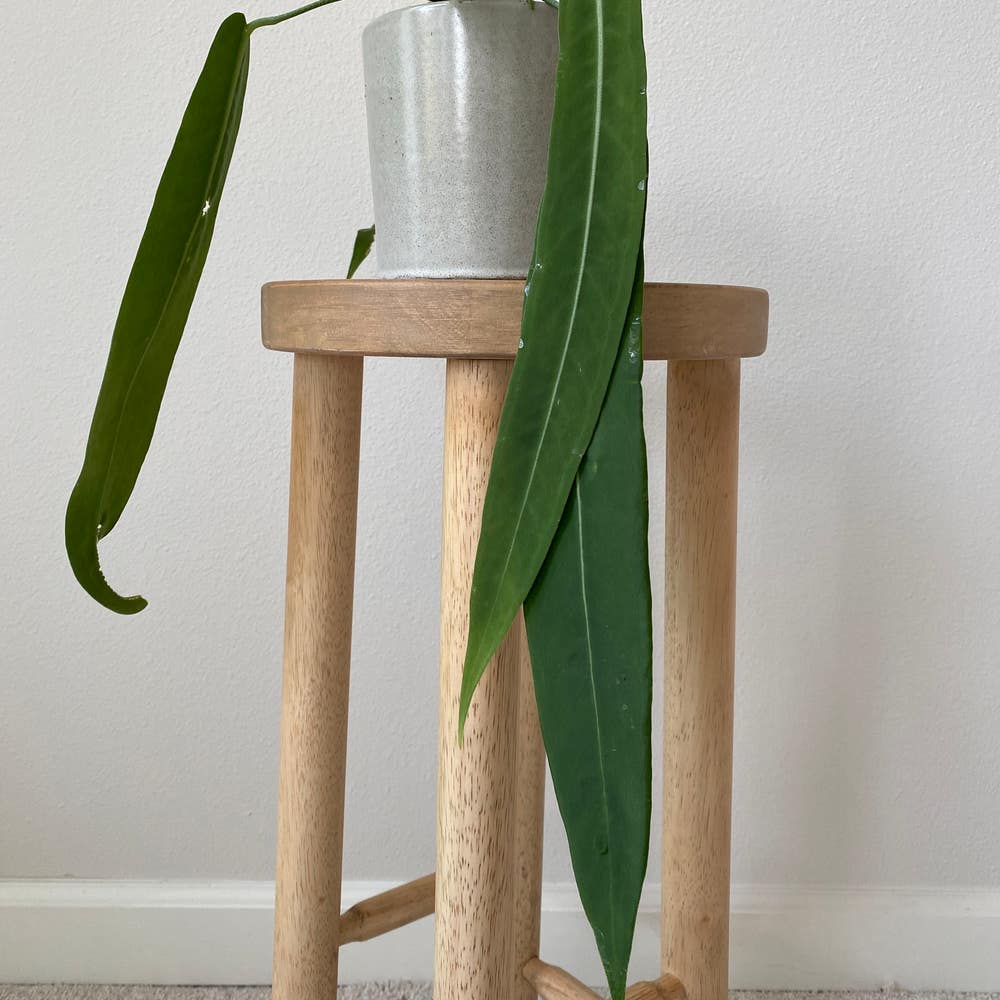
Anthurium pallidiflorum
By the Greg Editorial Team
Oct 18, 2024•5 min read
This article was created with the help of AI so we can cover more plants for you. May contain errors. See one? Report it here.
- 🌱 Anthurium is a garden plant, promoting ecological balance without being invasive.
- 🌞 Thrives in shaded areas, requiring 4-6 hours of indirect sunlight daily.
- 🐝 Attracts pollinators, enhancing biodiversity and contributing positively to garden ecosystems.
Plant Classification
Definition of Invasive Species 🌱
Invasive species are plants that exhibit rapid growth and spread, often outpacing native flora. They can displace local plants and disrupt ecosystems, leading to negative impacts on biodiversity.
Why Anthurium is Not Invasive 🌼
Anthurium stands out for its slow to moderate growth rate, which limits its spread. It thrives in specific habitats, making it less likely to invade new areas.
Ecological Balance
This plant does not outcompete native species, allowing for a harmonious coexistence in garden ecosystems. Its presence can enhance biodiversity without overwhelming local flora.
By understanding these characteristics, we can appreciate Anthurium's role as a garden plant rather than a weed. Next, we’ll explore its growth habits and how they contribute to its suitability in various garden designs.
Growth Habits
Typical Growth Patterns in Gardens 🌱
Anthuriums exhibit a clumping growth habit, characterized by upright stems that create a lush, vibrant display. Depending on the variety, these plants can reach heights of 1 to 3 feet, making them versatile for different garden settings.
Light is crucial for their growth. Anthuriums thrive in shaded or partially shaded areas, requiring about 4 to 6 hours of indirect sunlight daily to flourish.
Natural Limits to Growth and Spread Potential 🌍
When it comes to soil, Anthuriums prefer well-draining conditions with consistent moisture. The ideal pH range for optimal growth is between 5.5 and 6.5, ensuring they have the nutrients they need.
Environmental factors also play a significant role. These plants are sensitive to frost and are best suited for USDA zones 10-11, which limits their spread in cooler climates.
Understanding these growth habits helps gardeners create the perfect environment for Anthuriums, ensuring they thrive without overwhelming other plants. As we explore their ecological role next, we’ll see how these beautiful plants contribute positively to their surroundings.
Ecological Role
🌼 Benefits in Ecosystems
Anthuriums are more than just beautiful plants; they play a vital role in attracting pollinators. Their vibrant flowers draw in bees and butterflies, which enhances local biodiversity and supports the overall health of garden ecosystems.
These plants also provide essential nectar and habitat for local wildlife. By creating a welcoming environment, Anthuriums contribute to a thriving ecosystem that benefits various species.
🦋 Positive Interactions with Local Wildlife
Anthuriums support beneficial insects by serving as a food source for pollinators. This interaction fosters a balanced ecosystem, ensuring that both plants and wildlife can flourish together.
Moreover, Anthuriums are compatible with various shade-loving plants. This compatibility not only enhances garden aesthetics but also promotes a diverse and harmonious plant community.
Incorporating Anthuriums into your garden can lead to a vibrant, lively space that supports both flora and fauna. Their ecological role is a testament to their value as a garden plant, not a weed.
As we explore garden management strategies next, consider how these plants can be effectively integrated into your designs for maximum ecological benefit.
Garden Management
Incorporating into Garden Designs 🌿
Anthuriums shine in shaded garden beds and borders. Their vibrant foliage and striking flowers make them perfect as focal points or in mass plantings.
When planning your garden layout, consider the visual impact of grouping these plants. They can create a lush, tropical feel that draws the eye and enhances the overall aesthetic.
Controlling Growth for Aesthetic Purposes ✂️
To keep your Anthuriums looking their best, regular pruning is essential. This simple maintenance task helps maintain their shape and size, ensuring they remain an attractive feature in your garden.
Monitoring moisture levels is also crucial. Overwatering can lead to overgrowth, so keep an eye on soil conditions to promote healthy growth.
Recommended Spacing 📏
For optimal growth and air circulation, plant your Anthuriums 12-18 inches apart. This spacing allows each plant to thrive without competing for resources, creating a harmonious garden environment.
By incorporating these management strategies, you can enjoy the beauty of Anthuriums while maintaining a well-organized garden space. Next, let’s explore their unique ecological role and how they benefit local ecosystems.
Comparison to Other Plants
🌱 Similar Non-Invasive Plants
When considering non-invasive plants for your garden, Peace Lily and Calathea varieties stand out. Both thrive in similar conditions as Anthurium, making them excellent companions in shaded areas.
🌟 Unique Qualities
Anthuriums are celebrated for their vibrant, long-lasting flowers that come in a variety of colors. Their heart-shaped foliage adds a unique texture, enhancing the visual appeal of any garden.
The benefits of Anthuriums extend beyond aesthetics. They boast a longer blooming period compared to many other non-invasive plants, ensuring your garden remains lively and colorful throughout the seasons.
Incorporating Anthuriums alongside similar plants can create a harmonious and visually stunning garden. Their compatibility with other shade-loving plants enhances the overall garden experience, making it a delightful retreat for both you and local wildlife.
As we explore the next section, we'll delve into the legal and environmental considerations surrounding these beautiful plants.
Legal and Environmental Considerations
📜 Relevant Classifications and Guidelines
When incorporating Anthurium into your garden, it's essential to check local regulations regarding planting practices. Some regions may have specific guidelines or restrictions that could affect your gardening choices.
Awareness of these local rules helps ensure that your gardening efforts align with community standards and environmental conservation goals. Always stay informed to avoid any potential issues.
🌱 Sustainable Gardening Practices
Anthurium is a fantastic choice for sustainable gardening. Once established, it requires low maintenance and is water-efficient, making it an eco-friendly option for your garden.
Moreover, this plant supports local biodiversity by attracting pollinators like bees and butterflies. These interactions enhance the overall health of your garden ecosystem.
For eco-friendly care, consider using organic fertilizers and pest control methods. This approach not only benefits your plants but also encourages natural pollinators by minimizing harmful chemicals.
By choosing sustainable practices, you contribute to a healthier environment while enjoying the beauty of your Anthurium. This plant not only beautifies your space but also plays a vital role in supporting local wildlife.
As you plan your garden, remember that every choice counts. Transitioning to sustainable gardening practices can lead to a flourishing ecosystem that benefits both you and the environment.
⚠️ Safety First
This content is for general information and may contain errors, omissions, or outdated details. It is not medical, veterinary advice, or an endorsement of therapeutic claims.
Always consult a qualified healthcare professional before using any plant as food, medicine, or supplement.
Never eat any plant (or feed one to pets) without confirming its identity with at least two trusted sources.
If you suspect poisoning, call Poison Control (800) 222-1222, the Pet Poison Helpline (800) 213-6680, or your local emergency service immediately.
Spotted an error? Please report it here.
Transform your garden with thriving Anthuriums 🌱 by using Greg's tailored care reminders to keep them lush and beautiful while supporting local ecosystems!