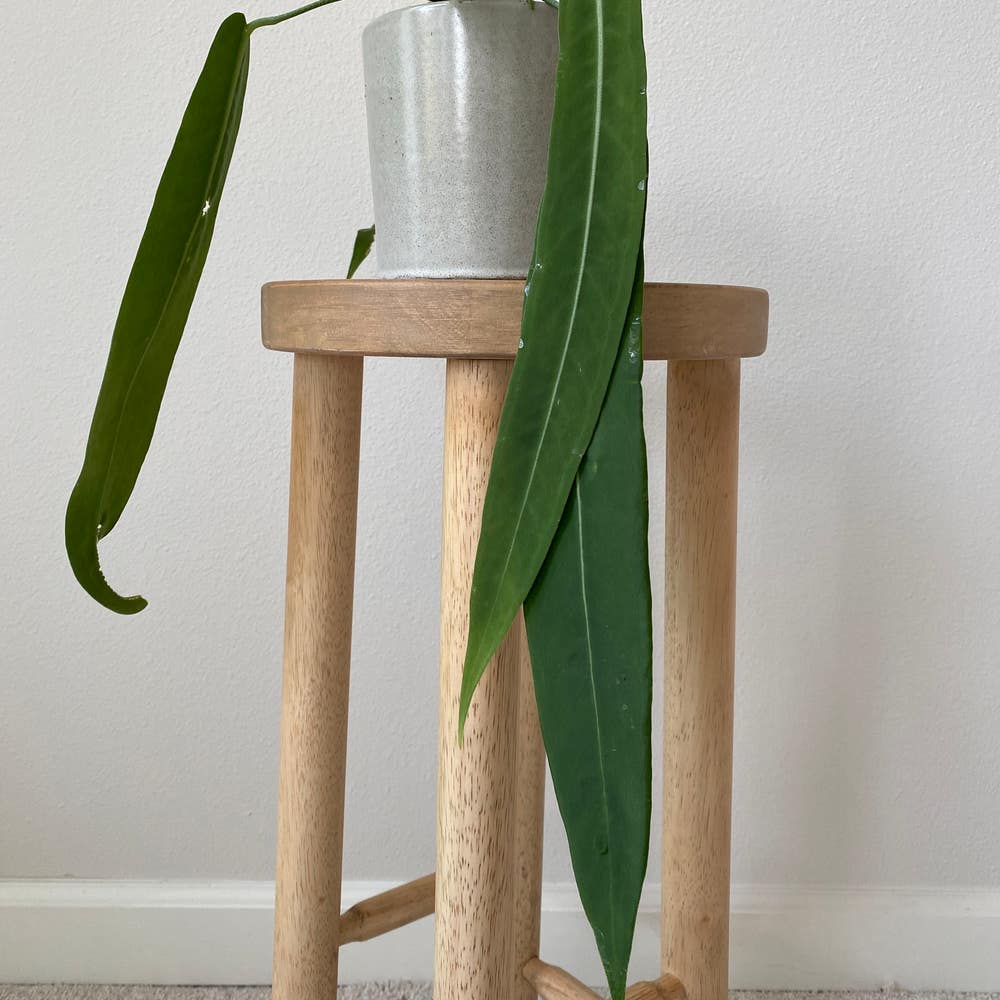
What Temperature Does My Anthurium pallidiflorum Need?
Anthurium pallidiflorum
By the Greg Editorial Team
Jun 18, 2024•3 min read
This article was created with the help of AI so we can cover more plants for you. May contain errors. See one? Report it here.
- 70-90°F (21-32°C) is the ideal temperature for Anthurium pallidiflorum.
- 🍂 Yellow/brown spots and droopiness signal temperature stress.
- Humidity around 60% and consistent temps are key to plant health.
Hitting the Sweet Spot: Anthurium pallidiflorum's Ideal Temperature Range
Finding the Goldilocks zone for your Anthurium pallidiflorum isn't just a nice-to-have, it's a must. 70 to 90 degrees Fahrenheit (21 to 32 degrees Celsius) is where this tropical beauty basks in comfort.
🌡️ Keeping the Heat Just Right
Consistency is your plant's best friend. Avoid placing your Anthurium near drafty windows or heat sources that could cause dramatic temperature swings. Stable is the keyword here.
🌡️ When Things Get Too Hot or Too Cold
Spotting the Signs
Yellow or brown spots on leaves? Your Anthurium is waving a flag that it's under temperature stress. Droopy leaves are another tell-tale sign that it's not happy with the current climate.
Common Culprits
Drafts, sudden changes in room temperature, or proximity to heaters and air conditioners can throw your Anthurium pallidiflorum for a loop. Keep an eye on these environmental factors to maintain plant health.
🌡️ Quick Fixes for Temperature Troubles
Immediate Steps
If your Anthurium pallidiflorum is too cold, move it to a warmer spot, pronto. Too hot? Relocate it away from direct sunlight and consider a cooling pebble tray.
Long-term Strategies
Invest in a reliable thermometer and hygrometer to keep track of conditions. Consider a humidifier or plant grouping to stabilize both temperature and humidity. Remember, consistency is the comfort food for your Anthurium pallidiflorum.

A Little Humidity Goes a Long Way
In the quest for Anthurium pallidiflorum perfection, humidity is your stealthy sidekick. It's not just about cranking up the heat; you've got to dial in the moisture too.
💦 The Dynamic Duo: Temperature and Humidity
Temperature and humidity are the Batman and Robin of plant care—except they're real, and your Anthurium pallidiflorum is the one getting saved. Warmth encourages the air to hold more water, making humidity a crucial factor in your plant's well-being.
🎛 Balancing Act
Think of managing humidity like being a DJ. You're constantly adjusting the sliders to keep the vibe right. Your Anthurium pallidiflorum digs a humidity level around 60%, a tropical beat that keeps its leaves dancing.
🌬 Humidity Boosters
If your air is drier than a comedian's humor, consider a humidifier. It's like a personal rain cloud for your Anthurium. Or, go old-school with a pebble tray—cheap, effective, and no electricity required.
💨 Air Circulation: The Unsung Hero
Keep the air moving. Stagnant air is the enemy of good vibes and healthy plants. A gentle fan can prevent your Anthurium's personal space from turning into a fungal rave.
🌿 Group Therapy
Plants are social creatures. Group them together to create a mini ecosystem, a plant potluck where everyone shares their moisture. It's communal living at its finest, and your Anthurium will thank you for the company.
🌬 Natural Dehumidifiers
Got too much moisture? Pair your Anthurium with some natural dehumidifiers like orchids or air plants. They'll soak up the excess, keeping the balance without you lifting a finger.
Remember, it's not about hitting extremes; it's about creating a consistent, comfortable environment. Your Anthurium pallidiflorum doesn't need a sauna or a desert—it needs a tropical paradise.


⚠️ Safety First
This content is for general information and may contain errors, omissions, or outdated details. It is not medical, veterinary advice, or an endorsement of therapeutic claims.
Always consult a qualified healthcare professional before using any plant as food, medicine, or supplement.
Never eat any plant (or feed one to pets) without confirming its identity with at least two trusted sources.
If you suspect poisoning, call Poison Control (800) 222-1222, the Pet Poison Helpline (800) 213-6680, or your local emergency service immediately.
Spotted an error? Please report it here.
Keep your Anthurium pallidiflorum happy and healthy 🌡 with Greg's personalized environment tracking to prevent those dreaded yellow spots!