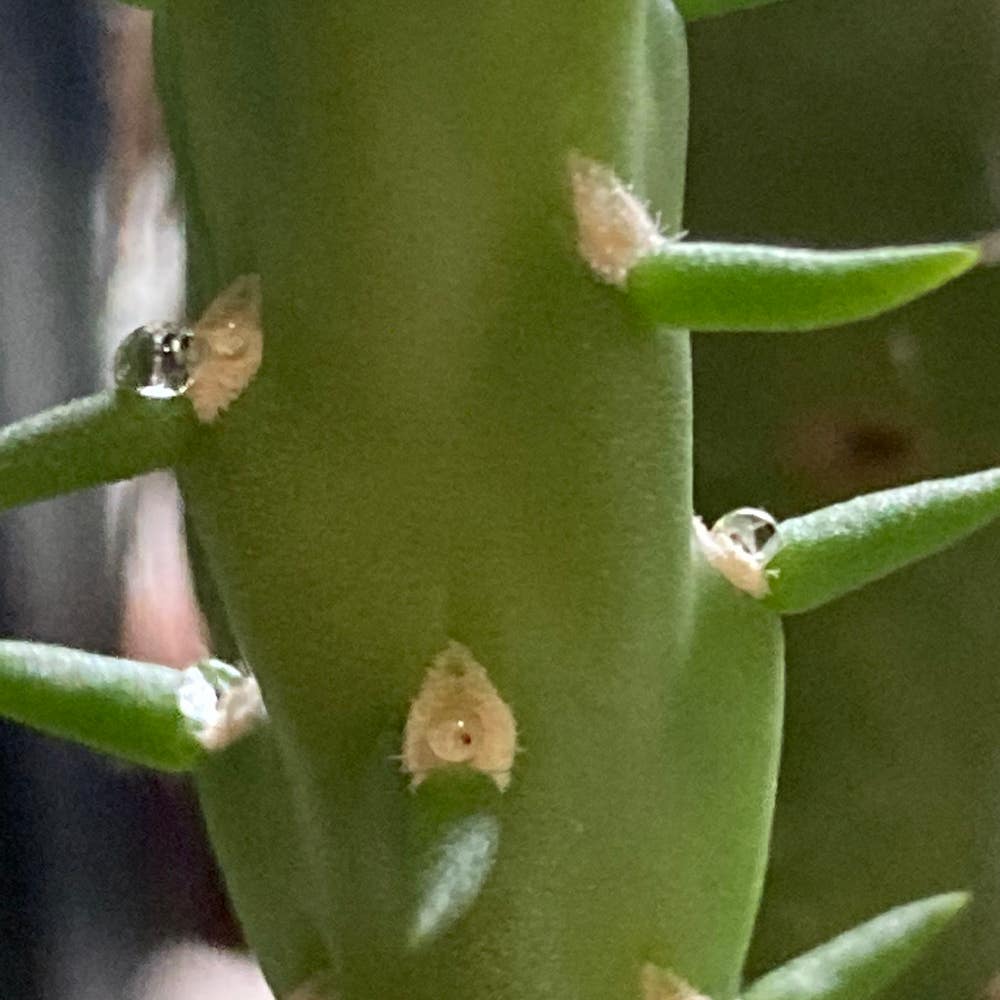
🌵 9 Steps to a Healthy Outdoor Teddy Bear Cholla
Cylindropuntia bigelovii
By the Greg Editorial Team
Jul 28, 2024•8 min read
This article was created with the help of AI so we can cover more plants for you. May contain errors. See one? Report it here.
Master year-round care for your Teddy Bear Cholla 🌵 and turn your garden into a desert oasis.
- 🌞 Full sun exposure is key; protect from intense heat with shade.
- 💧 Water deeply but infrequently, ensuring well-draining soil to prevent root rot.
- 🌱 Seasonal care adjustments are crucial for year-round Teddy Bear Cholla health.
Optimal Sunlight
Teddy Bear Cholla thrives in full sun, but it's all about balance.
- Ensure your Teddy Bear Cholla gets at least 6 hours of direct sunlight daily.
- Monitor the intensity of the sun, especially during peak hours, and provide light shade if necessary.
Weather-related sun damage can be a concern; here's how to mitigate it.
- Use natural elements like trees or artificial structures to create dappled shade during the hottest parts of the day.
- Relocate container plants or adjust the position of ground-planted Chollas seasonally to avoid excessive sun exposure.
- Observe your plant for signs of stress, such as discoloration or wilting, and act promptly to adjust its sunbathing schedule.
Effective Watering
Establishing an Outdoor Watering Regimen
- Determine the plant's watering needs by checking the soil moisture. The top inch should be dry before watering again.
- Aim for deep, infrequent waterings to encourage strong root development and avoid shallow, weak root systems.
- Adjust the frequency based on seasonal changes; less water may be needed during cooler months.
🌊 Importance of Drainage in Preventing Root Rot
- Use well-draining soil to prevent water from pooling around the roots.
- Ensure containers have adequate drainage holes, and consider elevating pots for improved airflow and drainage.
- In the ground, amend the soil with sand or gravel if necessary to enhance drainage, especially in areas prone to heavy rainfall.
Soil and Nutrition
Selecting the right soil mix for your Teddy Bear Cholla is like setting the foundation for a flourishing garden. It's not just about the nutrients; it's about creating a home where the plant's roots can thrive.
- Look for a well-draining mix that mimics the cholla's natural desert habitat.
- Incorporate organic matter such as compost to slowly release nutrients and improve soil structure.
- Aim for a slightly acidic to neutral pH, and adjust as necessary with amendments.
When it comes to fertilizing, think of it as seasoning food—just enough to enhance, but not so much that it overwhelms.
- Use organic fertilizers like blood meal or fish meal to provide a balanced diet of nitrogen, phosphorus, and potassium.
- Apply fertilizers sparingly, and only during the growing season to avoid nutrient overload.
- Remember, during the dormant season, your cholla's appetite wanes, so hold back on the fertilizing to prevent waste and potential harm to the plant and environment.
Planting Considerations
When it comes to planting Teddy Bear Cholla, you have two primary options: container planting or in-ground planting. Each method has its distinct advantages, tailored to cater to the plant's needs and the gardener's circumstances.
Benefits of Container Planting
- Flexibility in Location: Containers allow you to position your Teddy Bear Cholla in the optimal sunlight spot, even as the sun's position changes with the seasons.
- Control Over Soil Conditions: You can tailor the soil mix to ensure perfect drainage and nutrient balance, vital for this desert cactus.
- Ease of Weather Protection: Containers make it simpler to move your plant to sheltered areas during extreme weather events.
- Pest Management: Elevated from the ground, container plants often face fewer pest invasions.
🌵 Advantages of Ground Planting
- Natural Root Expansion: Planted in the ground, Teddy Bear Cholla can spread its roots widely, anchoring itself sturdily and accessing more nutrients.
- Lower Maintenance: Ground-planted chollas typically require less frequent watering as the earth retains moisture better than potting soil.
- Integration into Landscapes: Ground planting allows for a more naturalistic integration into outdoor desert landscapes or rock gardens.
- Long-Term Growth: With more space to grow, a ground-planted cholla can reach its full majestic size without the constraints of a pot.
Weather and Seasonal Adaptations
Teddy Bear Cholla, like all plants, faces challenges with the changing seasons. Here's how to keep your spiky friend thriving year-round.
🌡️ Protecting from Extreme Temperatures
Extreme temperatures can be tough on Teddy Bear Cholla. Here's what you can do:
- Summer Heat: Provide partial shade during the hottest parts of the day to prevent sunburn. Consider using a shade cloth if temperatures soar.
- Winter Chill: If frost is a threat, cover your Cholla with frost cloth or bring container plants indoors. Remember, prolonged exposure to cold can damage or kill your plant.
🌺 Adjusting Care with Seasonal Changes
As the seasons turn, so should your care strategy:
- Spring: Increase watering as the plant resumes growth. Watch for pests that emerge with warmer weather.
- Summer: Water early in the morning to reduce evaporation and stress from the heat.
- Autumn: Gradually reduce watering to prepare the plant for dormancy.
- Winter: Water sparingly, if at all, since the plant is dormant and excess moisture can lead to rot.
By staying vigilant and responsive to the weather, you'll help your Teddy Bear Cholla adapt to the rhythms of nature and maintain its health throughout the year.
Combatting Outdoor Pests
Teddy Bear Cholla, while generally resilient, can still fall prey to outdoor pests. Vigilance is key to maintaining a healthy plant.
Identifying Common Outdoor Pests
- Inspect your Teddy Bear Cholla regularly for signs of pests such as aphids, spider mites, and mealybugs.
- Look out for telltale signs like yellowing leaves, sticky residue, or visible insects on the plant.
🐞 Organic Pest Control Strategies
- Introduce beneficial insects, like ladybugs and lacewings, which naturally prey on harmful pests.
- Apply neem oil or insecticidal soap to affected areas, following instructions carefully for effective results.
- Consider diatomaceous earth around the base of your plant to deter crawling insects.
- Use companion planting to repel pests; marigolds and lavender can be good companions for Teddy Bear Cholla.
- Regularly remove garden debris to discourage pest habitation and prevent the spread of infestations.
- For persistent problems, organic pesticides can be used as a last resort, ensuring they are environmentally friendly and applied judiciously.
Disease Prevention
🚫 Recognizing Signs of Disease
Teddy Bear Cholla, like any plant, can fall victim to disease. Staying vigilant is key to keeping your cactus thriving. Here's what to watch for:
- Yellowing or wilting segments that suggest nutritional deficiencies or root problems.
- Blackened areas or mushy spots indicating rot, often due to overwatering or poor drainage.
- Unusual growths or lesions that could signal fungal or bacterial infections.
- White, cottony masses that might reveal the presence of pests like mealybugs, which can lead to secondary infections.
🛡️ Implementing Preventive Measures
Prevention is always better than cure. Here are some strategies to keep your Teddy Bear Cholla disease-free:
- Ensure proper watering practices to avoid waterlogged soil, which is a breeding ground for root rot.
- Use clean, sterilized tools when pruning to prevent the spread of pathogens.
- Rotate your Cholla's position periodically to ensure all sides receive equal sunlight and prevent fungal growth.
- Keep an eye on neighboring plants; diseases can spread quickly in close quarters.
- Consider a gentle, organic fungicide as a preventive treatment, especially if your area is prone to high humidity.
Tailored Seasonal Care
🌸 Spring Vigilance and Growth Support
Spring heralds a time of awakening for the Teddy Bear Cholla. As temperatures rise and daylight increases, so does the plant's need for attention.
- Gradually increase watering to coincide with the plant's growth cycle.
- Begin fertilizing to support vigorous growth, but do so judiciously to avoid overwhelming the plant.
☀️ Summer Maintenance and Heat Management
Summer's intense heat can stress the Teddy Bear Cholla, making careful maintenance crucial.
- Provide shade during the hottest parts of the day to prevent sunburn.
- Monitor soil moisture closely, as evaporation rates can soar.
🍂 Autumn Preparations for Dormancy
As the Teddy Bear Cholla gears up for dormancy, autumn care shifts towards preparation.
- Reduce watering and fertilization to help the plant harden off and prepare for cooler temperatures.
- Prune any damaged or excessive growth to strengthen the plant against winter stresses.
❄️ Winter Strategies for Cold Protection
Winter's chill requires a strategy to protect the Teddy Bear Cholla from the cold.
- Employ weather protection techniques such as mulching or using physical barriers to shield the plant from frost.
- Water sparingly, as the plant's metabolic rate slows down, reducing its need for moisture.
Climate-Specific Advice
🏜️ Desert Climates: Maximizing Natural Advantages
Desert climates offer the Teddy Bear Cholla a familiar environment, but with unique care nuances. Here's how to leverage the desert's natural benefits:
- Embrace the desert's intense sunlight, but provide partial shade during peak heat to prevent sunburn.
- Capitalize on the low humidity by ensuring excellent drainage, as Cholla's roots despise waterlogging.
- Choose arid-adapted plants as companions to create a microclimate that mimics the Cholla's native habitat.
Coastal and Varied Climates: Overcoming Challenges
Coastal regions present a different set of challenges due to higher humidity and potential salt exposure. To ensure your Cholla thrives:
- Increase soil drainage and amend with sand to counteract moisture from coastal fog and mist.
- Protect from salt spray by situating the Cholla behind natural barriers or in sheltered garden spots.
- Monitor for signs of stress during unusually hot or stormy seasons and adjust care accordingly.
⚠️ Safety First
This content is for general information and may contain errors, omissions, or outdated details. It is not medical, veterinary advice, or an endorsement of therapeutic claims.
Always consult a qualified healthcare professional before using any plant as food, medicine, or supplement.
Never eat any plant (or feed one to pets) without confirming its identity with at least two trusted sources.
If you suspect poisoning, call Poison Control (800) 222-1222, the Pet Poison Helpline (800) 213-6680, or your local emergency service immediately.
Spotted an error? Please report it here.
Grow a resilient 🌵 Teddy Bear Cholla with Greg's tailored sun and water tracking, ensuring it thrives in your unique outdoor space.