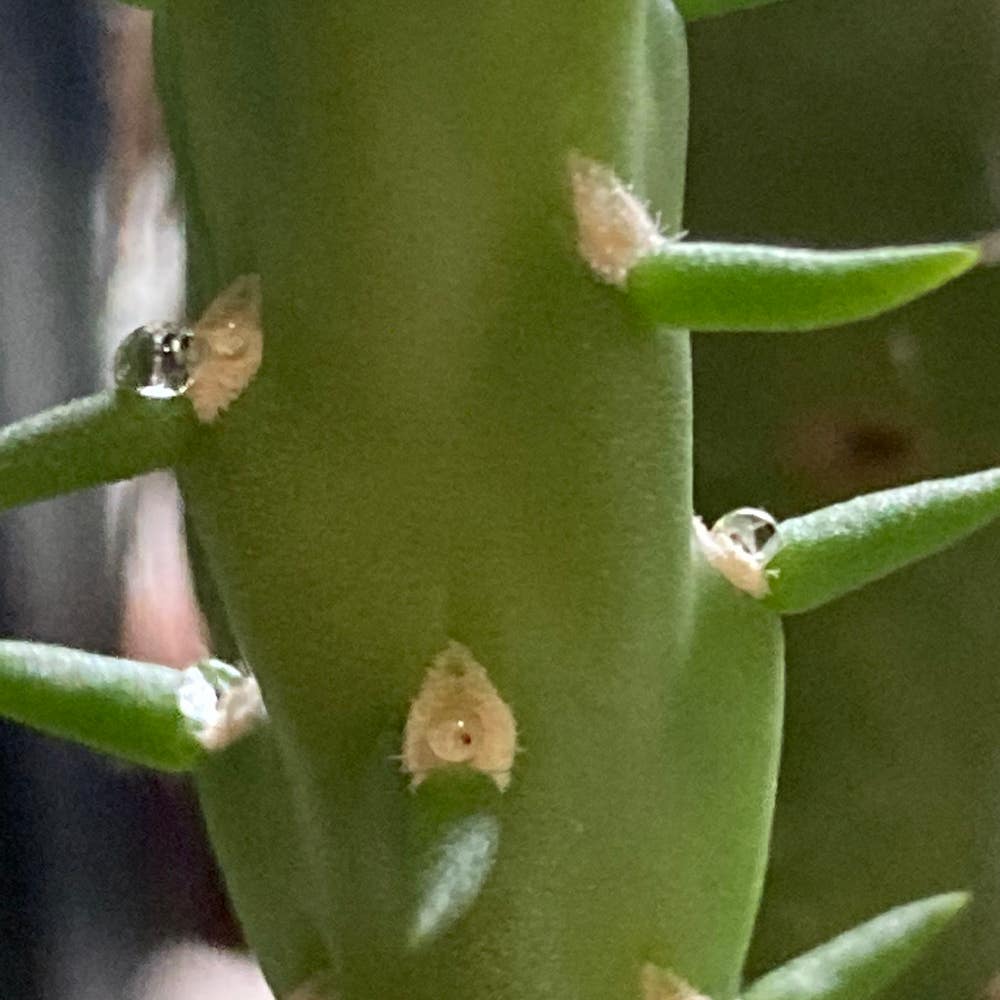
🌵 6 Tips for How to Plant Cylindropuntia bigelovii
Cylindropuntia bigelovii
By the Greg Editorial Team
Jul 28, 2024•3 min read
This article was created with the help of AI so we can cover more plants for you. May contain errors. See one? Report it here.
Grow a unique garden on a budget by mastering Cylindropuntia bigelovii seed starting 🌵.
- 🌱 Start from seeds for diversity, but be ready for a longer growth journey.
- 🌞 Late spring/early summer planting maximizes Cylindropuntia bigelovii's growth potential.
- 🚑 Transplant carefully to avoid shock, ensuring proper timing and post-care.
Starting with Seeds
Benefits and Drawbacks
Starting Cylindropuntia bigelovii from seeds can be a rewarding venture for gardeners. Here's what to consider:
- Cost-effectiveness: Seeds are less expensive than mature plants.
- Genetic diversity: Growing from seeds can result in a more diverse array of plants.
- Time to maturity: Patience is required as seeds take longer to grow into mature plants.
🌱 Optimal Timing and Conditions
Timing is everything when sowing seeds. Keep these points in mind:
- Best seasons: Late spring to early summer is ideal, avoiding the risk of frost.
- Climate considerations: Cylindropuntia bigelovii thrives in warm, dry climates.
🌿 Seed Preparation and Planting
A successful start begins with the right setup:
- Soil mix: Use a well-draining cactus mix to mimic natural conditions.
- Container choices: Opt for pots with drainage holes to prevent waterlogging.
- Sowing techniques: Plant seeds shallowly, as they require light to germinate.
🌱 Seedling Care
Nurture your seedlings with these tips:
- Growth conditions: Provide plenty of light and maintain a consistent temperature.
- Hardening off: Gradually expose seedlings to outdoor conditions to strengthen them for transplanting.
Transplanting Established Plants
Transplanting Cylindropuntia bigelovii offers instant gratification but comes with its own set of challenges.
Benefits and Drawbacks
- Immediate Impact: Transplanted Cylindropuntia bigelovii provides an instant visual enhancement to your garden.
- Transplant Shock Risk: The main concern is the potential for transplant shock, which can stress the plant and slow its growth.
Timing for Transplanting
Optimal transplanting time is influenced by the plant's life cycle and external conditions.
- Life Cycle Consideration: Transplant during the plant's dormant phase to minimize stress.
- Climate Preference: Cylindropuntia bigelovii thrives in warm conditions, so choose a time when temperatures are stable.
🔄 Transplanting Steps
A step-by-step approach ensures a smooth transition for your Cylindropuntia bigelovii.
- Preparation: Water the plant thoroughly a day before to hydrate and ease root extraction.
- Container Removal: Gently remove the plant from its container, preserving the root ball.
- Planting Hole: Dig a hole that comfortably fits the root ball, neither too deep nor too shallow.
- Positioning: Set the plant in the hole, ensuring the crown is level with the soil surface.
- Soil Backfilling: Fill in around the root ball with soil, firming gently to eliminate air pockets.
Post-Transplant Care
Immediate aftercare is crucial for the plant's recovery and growth.
- Watering: Provide deep, regular watering to encourage new root development.
- Mulching: Apply a layer of natural mulch to moderate soil temperature and retain moisture.
- Support: If the plant is top-heavy, stake it to prevent wind damage while roots establish.
Troubleshooting Planting Issues
🌱 Germination Challenges
- Ensure seeds have warmth and aren't planted too deep; adjust temperature and planting depth if necessary.
- Sterilize tools before use to prevent disease spread.
🌿 Transplanting Setbacks
- Minimize transplant shock by transplanting during cooler parts of the day and ensuring adequate soil moisture.
- Acclimatize plants gradually to outdoor conditions before planting in their final location.
🐛 Pest and Disease Prevention
- Promote good air circulation and avoid overwatering to deter pests and fungal diseases.
- Regularly inspect plants for early signs of pests or disease and treat with insecticidal soap or neem oil if needed.
⚠️ Safety First
This content is for general information and may contain errors, omissions, or outdated details. It is not medical, veterinary advice, or an endorsement of therapeutic claims.
Always consult a qualified healthcare professional before using any plant as food, medicine, or supplement.
Never eat any plant (or feed one to pets) without confirming its identity with at least two trusted sources.
If you suspect poisoning, call Poison Control (800) 222-1222, the Pet Poison Helpline (800) 213-6680, or your local emergency service immediately.
Spotted an error? Please report it here.
Ensure your Cylindropuntia bigelovii seeds germinate successfully 🌱 with Greg's tailored reminders for planting time and post-transplant care.