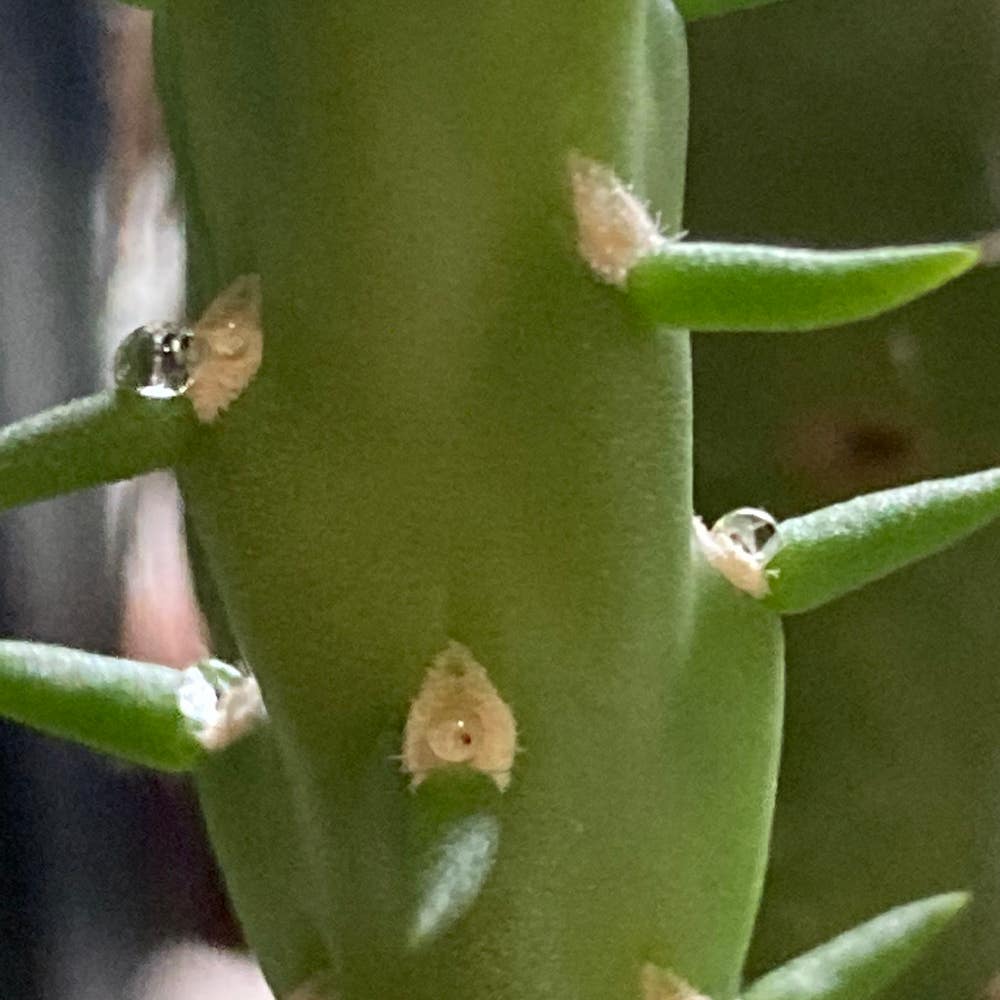
What's Eating Your Cylindropuntia bigelovii
Cylindropuntia bigelovii
By the Greg Editorial Team
Jul 28, 2024•4 min read
This article was created with the help of AI so we can cover more plants for you. May contain errors. See one? Report it here.
Safeguard your garden's charm 🌵 by mastering the art of protecting Cylindropuntia bigelovii from feisty herbivores.
- 🦌🐇 Identify herbivore damage to protect your Cylindropuntia bigelovii effectively.
- 🛡️ Seasonal and animal-specific strategies are key for deterrence.
- 🐝 Encourage beneficial fauna like pollinators and predators for natural balance.
Attraction and Damage
Signs of Herbivory
🕵️ Herbivores leave behind a detective's trail on Cylindropuntia bigelovii. Let's decode it.
- Bite marks: Look for distinctive patterns on stems and fruits.
- Droppings: These can reveal the culprits lurking around.
- Plant debris: Trampled soil and scattered pieces signal larger visitors.
- Webbing and stippling: Tiny invaders like spider mites leave these clues.
Seasonal Variations
📅 Cylindropuntia bigelovii's allure to animals isn't constant—it changes with the calendar.
- Spring and Summer: New growth and flowers peak in appeal.
- Fall: Fruits become the main attraction as they ripen.
- Winter: Sparse, but persistent herbivores may target the plant for its moisture content.
Animal Interactions
🦌 Deer
Deer can be quite the garden marauders, especially when it comes to the succulent Cylindropuntia bigelovii. Look for jagged, torn leaves or twigs, a telltale sign of deer browsing. They're also known for rubbing their antlers against young plants, which can cause significant damage.
- To deter deer, consider using physical barriers like fencing or planting deer-resistant species alongside your Cylindropuntia bigelovii. Repellents with strong odors can also be effective.
🐇 Rabbits
Rabbit damage is often more subtle but no less harmful. These critters leave clean-cut, 45-degree angled bites on plants and are particularly fond of young, tender shoots.
- To manage rabbits, a combination of fencing and habitat modification, such as clearing nearby brush where they might nest, can be effective. Repellents may also be used as a secondary measure.
🐿 Squirrels
Squirrels are acrobatic pests that can climb and jump to reach your plants. They typically nibble on the edges of leaves or may even dig up parts of the plant.
- Squirrel deterrence can be tricky, but using netting or wire mesh to protect your plants, as well as providing alternative food sources, can help keep them at bay.
🐦 Birds
Birds might peck at the fruits or flowers of Cylindropuntia bigelovii. While they can cause some damage, they're also important pollinators and seed dispersers.
- To protect your plants from birds while still inviting their beneficial presence, use bird netting or hanging reflective objects that can scare them away from specific areas.
🐀 Rodents
Rodents, including mice and voles, leave small, distinct tooth marks on plants and can cause extensive root damage by burrowing.
- Rodent control strategies include traps, rodent-resistant plant varieties, and removing potential nesting sites. Repellents and barriers can also be part of a comprehensive approach.
🦡 Groundhogs/Woodchucks
Groundhogs or woodchucks can be identified by their larger burrows near damaged plants. They can devour plants rapidly and are known to climb to reach leaves or fruit.
- Exclusion methods like fencing, especially if buried to prevent digging, can be effective. Live trapping and relocation may also be necessary in some cases.
Beneficial Fauna
🌸 Pollinators
Pollinators are the unsung heroes of the garden, vital for the ecosystem and the flourishing of Cylindropuntia bigelovii.
- Bees, butterflies, and birds are attracted to the plant's vibrant flowers, aiding in pollination and seed dispersal.
- The presence of pollinators ensures the reproductive success of the cactus and contributes to the overall health of the garden.
🦅 Predators
Predators play a crucial role in maintaining a balanced ecosystem by controlling pest populations.
- Birds of prey and other beneficial predators help to keep herbivore numbers in check, indirectly protecting Cylindropuntia bigelovii.
- Encouraging these natural allies through garden design can reduce the need for chemical interventions and promote a thriving garden environment.
Protection Strategies
🌵 Plant Defense
Cylindropuntia bigelovii comes equipped with its own set of defenses. Here's how it stands its ground:
- Thorns and Spines: Its formidable spines are the first line of defense, deterring many would-be nibblers.
- Chemical Compounds: While not toxic, the plant may produce bitter-tasting compounds that make it less palatable to some animals.
🦝 Preventive Measures
Designing a garden that keeps herbivores at bay is both an art and a science. Consider these strategies:
- Garden Layout: Place Cylindropuntia bigelovii away from paths commonly used by animals.
- Companion Planting: Surround it with plants known to repel herbivores, like marigolds or garlic.
🛡️ Reactive Solutions
When prevention falls short, it's time for action. Here's what you can do:
- Barriers: Employ netting or fencing to physically block access to your Cylindropuntia bigelovii.
- Repellents: Natural or commercial repellents can discourage visitors without harming the ecosystem.
- Monitoring: Keep a close eye on your plant; early detection of damage means quicker response.
⚠️ Safety First
This content is for general information and may contain errors, omissions, or outdated details. It is not medical, veterinary advice, or an endorsement of therapeutic claims.
Always consult a qualified healthcare professional before using any plant as food, medicine, or supplement.
Never eat any plant (or feed one to pets) without confirming its identity with at least two trusted sources.
If you suspect poisoning, call Poison Control (800) 222-1222, the Pet Poison Helpline (800) 213-6680, or your local emergency service immediately.
Spotted an error? Please report it here.
Eradicate pests and ensure your Cylindropuntia bigelovii flourishes by tapping into Greg's community wisdom and tailored reminders 🛡.