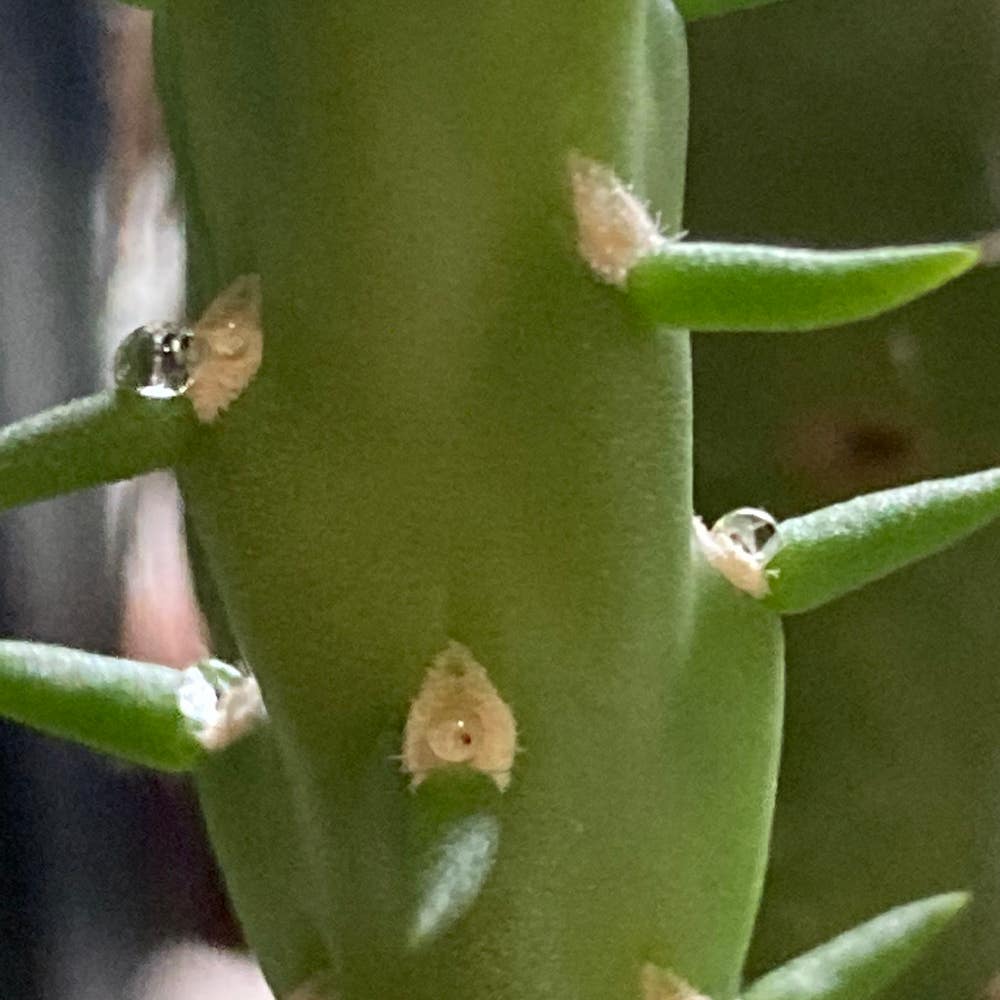
How Big Teddy Bear Cholla Grows
Cylindropuntia bigelovii
By the Greg Editorial Team
Jul 28, 2024•5 min read
This article was created with the help of AI so we can cover more plants for you. May contain errors. See one? Report it here.
Shape your Teddy Bear Cholla's growth 🌵 with expert care tips for a perfectly sculpted desert dweller.
- 🌵 Teddy Bear Cholla height: 1-2 meters, affected by sunlight and soil.
- 📏 Mature spread: 18-36 inches, with growth influenced by soil and water.
- 🌞💧 Size management: Pruning and environmental control can shape growth.
Mature Dimensions
📏 Mature Height
Teddy Bear Cholla, known for its deceptively soft appearance, typically reaches a mature height of one to two meters. The plant's growth towards the sky is not just a matter of time but also a dance with the environment.
- In ideal conditions, it can stretch to the higher end of its height potential.
- Conversely, factors like limited sunlight and poor soil can stunt its vertical aspirations.
📐 Mature Spread
The spread of a mature Teddy Bear Cholla is a tale of territorial conquest, typically ranging from 18 to 36 inches. This cactus doesn't just grow; it claims its space with a spiny embrace.
- Environmental elements like soil quality and water availability play pivotal roles in how wide it will stretch its arms.
- In some cases, a Cholla's spread can be a testament to its resilience, adapting to the challenges of its surroundings.
Growth Rate Insights
🌱 Growth Rate Factors
Teddy Bear Cholla's growth rate is a dance with nature, influenced by a suite of factors. Sunlight is the maestro, dictating the tempo with its intensity and duration. Soil composition plays its part too, offering the necessary nutrients when well-balanced. Watering enters the mix with a delicate touch; too much can drown the rhythm, too little can halt it. And let's not forget temperature—these cacti thrive in the warmth of their native deserts.
- Sunlight: Full exposure is ideal, but partial shade is beneficial in extreme heat.
- Soil: Well-draining with a balanced nutrient profile supports optimal growth.
- Water: Infrequent but deep watering mirrors the natural desert rainfall pattern.
- Temperature: Warm days and cool nights are the sweet spot for growth.
🕰 Time to Maturity
Patience is a virtue when cultivating Teddy Bear Cholla. From a sprightly seedling to a statuesque adult, this cactus takes its time. On average, reaching full size is a journey of several years, with growth milestones marked by the gradual thickening of its trunk and the branching out of new segments.
- Seedling to Juvenile: Expect a slow but steady increase in height and girth.
- Juvenile to Mature: Branch development accelerates, giving the cactus its characteristic silhouette.
- Full Maturity: Achieved over several years, with environmental conditions dictating the exact timeline.
Size Variability
🌞 Environmental Influences
Sunlight, soil, and water are the trinity of growth for Teddy Bear Cholla. These factors can lead to significant size variations, with the cactus thriving or merely surviving based on their balance.
- Sunlight: Full sun is the Cholla's best friend, encouraging robust growth.
- Soil: Well-draining soil ensures the roots are cozy but not waterlogged, promoting healthy expansion.
- Water: Sparse but consistent watering mimics the cactus's natural arid conditions, influencing its size.
Real-world examples show that Chollas in sun-drenched, arid regions outpace those in shadier, cooler areas.
👩🌾 Care Practices
The way you tend to your Teddy Bear Cholla can make a big difference in its stature.
- Fertilization: A light touch with the nutrients can lead to a spurt in growth.
- Spacing: Giving your Cholla room to spread its spines can affect both its height and girth.
- Monitoring: Keeping an eye out for stress signals, like black spots, can prevent environmental stress from stunting growth.
Remember, each Cholla's growth story is unique, sculpted by both nature's hand and the gardener's touch.
Varietal Size Differences
🌵 Dwarf Varieties
Dwarf varieties of Teddy Bear Cholla offer a compact solution for gardeners with limited space. While the standard Teddy Bear Cholla can be quite large, these smaller counterparts are perfect for cozy corners or as part of a more intricate landscape design. Here are some key points about dwarf Teddy Bear Cholla:
- Dwarf Teddy Bear Cholla varieties maintain the plant's distinctive look but in a more manageable size.
- Ideal for small gardens or container planting, they typically stay under 24 inches in height.
🌵 Giant Varieties
On the other end of the spectrum, giant varieties of Teddy Bear Cholla make a bold statement. These are for those who have ample space and want to create a dramatic effect in their arid landscape. Here's what to know about giant Teddy Bear Cholla:
- Giant varieties can significantly exceed the average size of standard Teddy Bear Cholla, adding an imposing presence to any garden.
- They require more space to accommodate their larger spread and height, making them less suitable for confined areas.
Size Management
🌵 Pruning Practices
Pruning Teddy Bear Cholla can be both an art and a science. Here's how to approach it:
- When to Prune: Late winter or early spring is ideal, as the plant is less active, reducing stress.
- Tools for the Job: Use sharp, sterilized pruning shears for small cuts, loppers for thicker branches, and a hand saw for the toughest parts.
- Technique: Aim for symmetry and maintain the plant's natural shape. Remove dead or damaged segments without leaving stubs.
- Post-Pruning Care: Water sparingly and avoid fertilizing immediately. Provide bright, indirect light to support recovery.
🔄 Alternative Methods
If pruning isn't suitable or you're looking for additional strategies, consider these options:
- Right Plant, Right Place: Select a Teddy Bear Cholla variety that fits your space to minimize the need for size control.
- Environmental Control: Adjust sunlight exposure, watering, and soil conditions to influence growth patterns.
- Regular Monitoring: Keep an eye on growth and intervene early with minor adjustments to prevent overgrowth.
⚠️ Safety First
This content is for general information and may contain errors, omissions, or outdated details. It is not medical, veterinary advice, or an endorsement of therapeutic claims.
Always consult a qualified healthcare professional before using any plant as food, medicine, or supplement.
Never eat any plant (or feed one to pets) without confirming its identity with at least two trusted sources.
If you suspect poisoning, call Poison Control (800) 222-1222, the Pet Poison Helpline (800) 213-6680, or your local emergency service immediately.
Spotted an error? Please report it here.
Achieve your Teddy Bear Cholla's peak size 🌵 with Greg's tailored watering and sunlight reminders, ensuring it thrives in your unique garden environment.