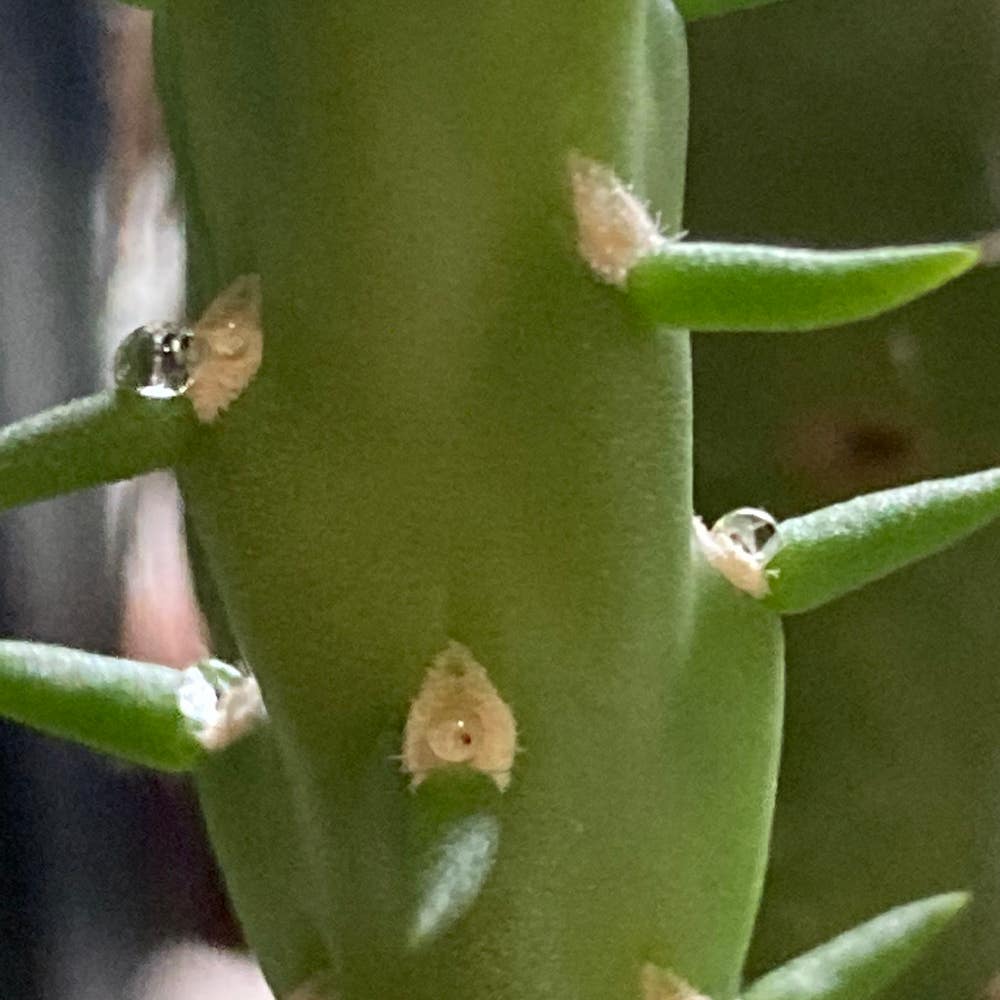
🌵 10 Winter Threats to Your Cylindropuntia bigelovii
Cylindropuntia bigelovii
By the Greg Editorial Team
Jul 28, 2024•4 min read
This article was created with the help of AI so we can cover more plants for you. May contain errors. See one? Report it here.
Safeguard your cactus 🌵 through winter's chill for a vibrant, healthy spring awakening. ❄️
- 🌵 Recognize dormancy signs to avoid overwatering Cylindropuntia bigelovii.
- ❄️ Frost protection is key; use cloths, burlap, and mulch.
- 🌞🌡️ Indoor microclimate helps simulate desert conditions in winter.
Understanding Winter Dormancy
Recognizing Dormancy Signs 🌵
Cylindropuntia bigelovii, like many succulents, enters a state of dormancy during the cooler months. Here's how to tell:
- Growth halts, and the plant maintains a consistent appearance without new spines or segments.
- The cactus may appear less vibrant, but this is a natural energy-conservation mode, not a sign of ill health.
Understanding these signs is crucial to avoid overwatering and misjudging the plant's health.
Cold Hardiness Explained ❄️
Cylindropuntia bigelovii's desert heritage doesn't mean it's immune to cold. Here's what you need to know about its cold hardiness:
- It has a natural tolerance to chill, but there are limits. Extended freezes can be harmful.
- The plant's dormancy helps it survive by minimizing metabolic activity, thus reducing its susceptibility to frost damage.
Respecting these natural defenses is key to helping your cactus thrive through winter.
Frost Protection Strategies
❄️ Choosing the Right Protection
Protecting your Cylindropuntia bigelovii from frost is crucial for its survival during cold snaps. Here's how to select the best materials and methods:
- Insulation Materials: Choose frost cloths or burlap to wrap around the plant, ensuring it extends to the ground to trap heat.
- Mulching: Apply a thick layer of mulch around the base to protect the roots from temperature extremes.
- Styrofoam Cups: For smaller plants, place a Styrofoam cup over the top to shield the new growth from frost.
🛡️ Implementing Protection
Follow these steps to effectively shield your Cylindropuntia bigelovii from frost:
- Wrap the Plant: Securely wrap the frost cloth or burlap around the cactus, starting from the base and working upwards.
- Secure the Cover: Use stakes or weights to keep the cover in place, preventing it from blowing away in the wind.
- Mulch the Base: Surround the base with a generous layer of mulch, straw, or hay for additional insulation.
- Monitor Temperature: Keep an eye on the weather forecast and cover the plant when frost is predicted.
- Remove Coverings: Once the temperature rises, remove the coverings to prevent overheating and to allow for air circulation.
Watering and Feeding Adjustments
❄️ Winter Watering Guidelines
Watering your Cylindropuntia bigelovii in winter is all about restraint. Here's how to get it right:
- Reduce watering frequency significantly. Wait until the top inch of soil is dry before watering again.
- Monitor your plant closely. If you notice signs of overwatering, such as brown spots or a mushy base, cut back on water immediately.
🌬️ Fertilizing Needs in Winter
During winter, your Cylindropuntia bigelovii's appetite for nutrients drops. Keep these pointers in mind:
- Avoid fertilizing altogether. The plant is in a state of rest, and additional nutrients can do more harm than good.
- If you've been using fertilizer, now's the time to give it a break until spring arrives.
Indoor Care Considerations
Creating a desert-like sanctuary indoors for your Cylindropuntia bigelovii can be a game-changer during the cold months.
🏜️ Creating an Indoor Microclimate
- Simulate desert conditions by placing your cactus in a bright room where sunlight is abundant, preferably near a south-facing window.
- Ensure the room is well-ventilated to avoid stagnant air, which can lead to fungal issues.
- Consider using a grow light if natural light is insufficient, aiming for a photoperiod of around 16 hours.
- Group plants to slightly raise humidity levels, mimicking a desert microclimate, but keep enough space between them to prevent overcrowding.
🌞 Light and Temperature Management
- Maintain indoor temperatures between 60-75°F during the day, allowing for a slight drop at night to replicate desert coolness.
- Rotate the plant occasionally to promote even growth and prevent leaning towards the light source.
- Shield your cactus from direct heat sources like radiators that can cause rapid temperature fluctuations.
- Monitor for signs of stress, such as discoloration or wilting, and adjust the light and temperature accordingly.
Preparing for Spring
🌱 Easing into Growth Season
As winter wanes, it's time to gently coax your Cylindropuntia bigelovii back to life. Here's how to do it right:
- Gradually increase watering as the days lengthen, but always check the soil moisture first to avoid overwatering.
- Begin introducing fertilizer at half strength to avoid shocking the plant, which has been in a state of rest.
🌨 Handling Winter Damage
Winter can be tough on your spiky friend. Here's what to look for and how to deal with any damage:
- Inspect for desiccation or frostbite, indicated by discoloration or soft spots on the plant.
- Prune away any damaged tissue to prevent infection and encourage new growth, using clean, sharp tools.
- If pests have taken advantage of your plant's vulnerable state, isolate the affected plant and treat it with appropriate measures.
⚠️ Safety First
This content is for general information and may contain errors, omissions, or outdated details. It is not medical, veterinary advice, or an endorsement of therapeutic claims.
Always consult a qualified healthcare professional before using any plant as food, medicine, or supplement.
Never eat any plant (or feed one to pets) without confirming its identity with at least two trusted sources.
If you suspect poisoning, call Poison Control (800) 222-1222, the Pet Poison Helpline (800) 213-6680, or your local emergency service immediately.
Spotted an error? Please report it here.
Wave goodbye to winter woes and keep your Cylindropuntia bigelovii flourishing 🌵 with Greg's personalized care reminders, ensuring your spiky friend gets just what it needs during dormancy.