🌵 How Long a Cylindropuntia bigelovii Lives
Cylindropuntia bigelovii
By the Greg Editorial Team
Jul 28, 2024•4 min read
This article was created with the help of AI so we can cover more plants for you. May contain errors. See one? Report it here.
Witness the Cylindropuntia bigelovii's growth journey 🌵, pivotal for thriving desert landscapes.
- 🌵 Cylindropuntia bigelovii lives for decades, adapting well to desert conditions.
- 🌱🌞 Germination to maturity spans several years, influenced by environmental factors.
- 🌼 Flowering and seed production occur with adequate light and warmth in spring/summer.
Seed to Seedling
🌱 Germination Process
Germination for Cylindropuntia bigelovii, whether from seeds or cuttings, is a delicate dance with nature that sets the stage for the plant's entire life cycle. When starting from seeds, expect a 4-8 week period for the seed to split and send its roots down into the soil, while a sprout reaches up towards the light. Cuttings, on the other hand, form a callus first, then roots, typically taking 7-9 weeks to establish.
🌿 Seedling Development
Once the seedling of Cylindropuntia bigelovii makes its debut, it's a testament to the resilience and adaptability of this species. The seedling stage is marked by:
- The emergence of the first leaves, signaling a successful germination.
- A growth period that can span several years, as the plant slowly matures.
Light exposure and protection from diseases are crucial during this stage, as they greatly influence the seedling's health and vigor.
Vegetative Growth
🌱 Establishing Stems and Pads
Cylindropuntia bigelovii's vegetative growth is a dynamic phase where the plant focuses on producing stems and pads.
- Typically, this stage can span several years, with the plant investing energy into creating a robust structure.
- The growth rate during this time is influenced by the plant's genetic makeup and the availability of resources such as sunlight and water.
📈 Factors Affecting Growth Rate
Environmental conditions are the directors of the vegetative growth stage, influencing the pace at which Cylindropuntia bigelovii matures.
- Light intensity and quality are crucial, as they power photosynthesis and drive the plant's growth engine.
- Temperature and water availability also play significant roles, with ideal conditions fostering quicker development.
- Nutrient-rich soil can accelerate growth, while poor soil conditions can slow it down.
- Protective measures, like shading from extreme heat or support structures for the developing stems, can help maintain a steady growth rate.
Reproductive Cycle
🌸 Flowering
Cylindropuntia bigelovii, commonly known as the teddy bear cholla, enters its flowering stage under the right environmental triggers. Here's what you need to know:
- Timing: Flowering typically occurs in spring and early summer, when daylight stretches and temperatures rise.
- Conditions: Adequate light and warmth are crucial for initiating this phase.
- Duration: The flowering period can last several weeks, with the first flower opening marking the onset.
🌱 Seed Production
After the spectacle of flowering, Cylindropuntia bigelovii embarks on seed production:
- Maturation Time: Seed capsules mature about a month post-flowering, turning brown as they ripen.
- Cycle of Reproduction: Each flower has the potential to develop seeds, but not all will succeed. Environmental factors and pollination play significant roles in the quantity and quality of seeds produced.
- Harvest Timing: For those interested in propagation, seeds can be collected once the capsules dry and split open, typically in the late summer or fall.
Maturation and Longevity
🌵 Reaching Full Maturity
Cylindropuntia bigelovii's journey to full maturity is a testament to its resilience in harsh environments.
- Typically, it takes several years for Cylindropuntia bigelovii to reach its full size and structural complexity.
- Given its vegetative mode of reproduction, maturity can also be marked by the plant's ability to produce viable stems that can detach and root to form new plants.
🕰 Lifespan Expectancy
The lifespan of Cylindropuntia bigelovii is as impressive as its spiny, robust appearance.
- While specific lifespan data is scarce, observations suggest these cacti can thrive for many decades, potentially outliving many of the animals and plants in their desert habitat.
- Factors such as climate, soil conditions, and disturbances like drought can impact longevity, but Cylindropuntia bigelovii has shown remarkable adaptability to survive and proliferate over extended periods.
Key Milestones
🌱 Visual and Developmental Changes
Cylindropuntia bigelovii's journey from a nascent seed to a mature plant is marked by several key developmental milestones. Each stage presents unique visual cues that signal the plant's progression.
- Seedling Vigor: Initially, the emergence of robust, green seedlings indicates a successful start. This youthful stage is critical as the plant establishes its foundational structures.
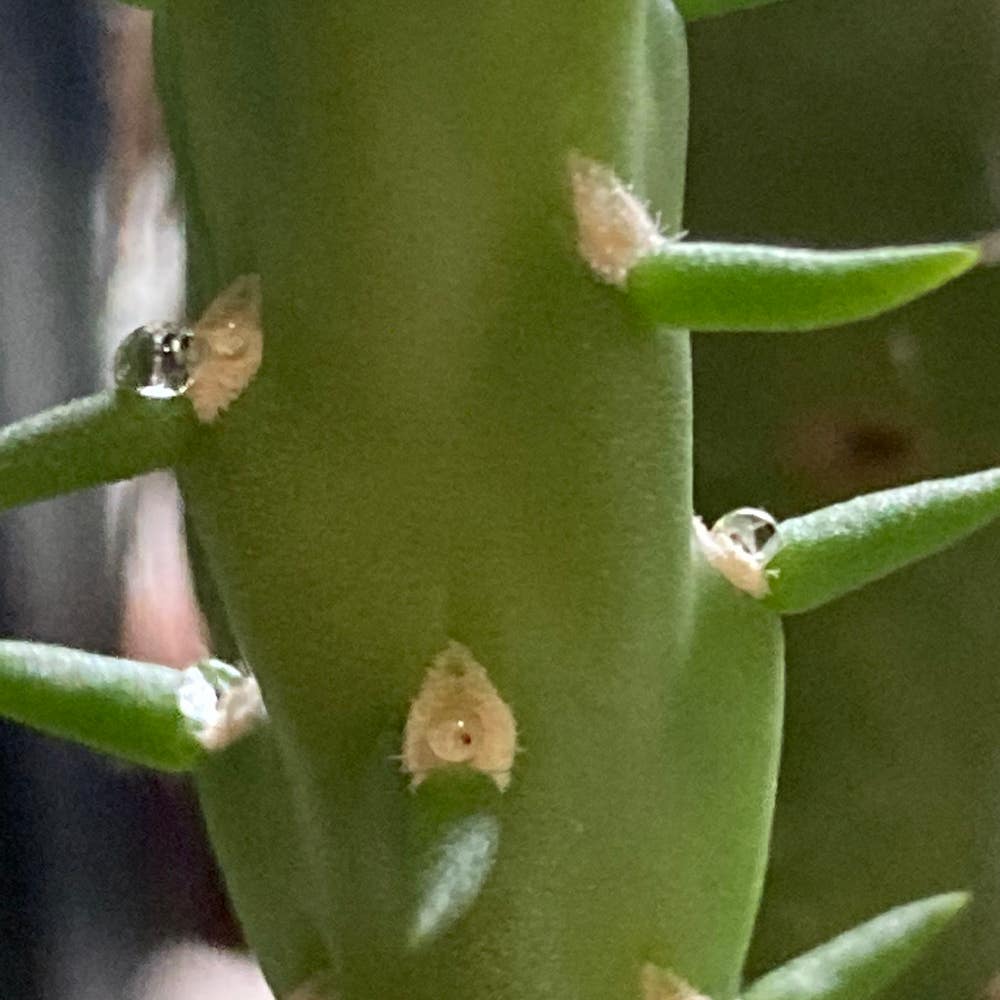
- Vegetative Growth: As the plant enters the vegetative phase, watch for new spines and a gradual increase in size. These changes are positive signs of health and vitality.
- Flowering: The onset of flowering marks a pivotal reproductive phase. Blossoms signal the plant's readiness for pollination and subsequent seed production.
- Maturation: Reaching full maturity, Cylindropuntia bigelovii develops a characteristic woody texture and a more complex branching pattern, showcasing its readiness to withstand the elements and contribute to its ecosystem.
Throughout these stages, environmental factors such as light, temperature, and water availability play a role in the pace of development. By understanding and observing these milestones, one gains insights into the health and vigor of Cylindropuntia bigelovii.
⚠️ Safety First
This content is for general information and may contain errors, omissions, or outdated details. It is not medical, veterinary advice, or an endorsement of therapeutic claims.
Always consult a qualified healthcare professional before using any plant as food, medicine, or supplement.
Never eat any plant (or feed one to pets) without confirming its identity with at least two trusted sources.
If you suspect poisoning, call Poison Control (800) 222-1222, the Pet Poison Helpline (800) 213-6680, or your local emergency service immediately.
Spotted an error? Please report it here.
Ensure your Cylindropuntia bigelovii lives a century-long 🌵 life by leveraging Greg's tailored care reminders for each pivotal growth phase.