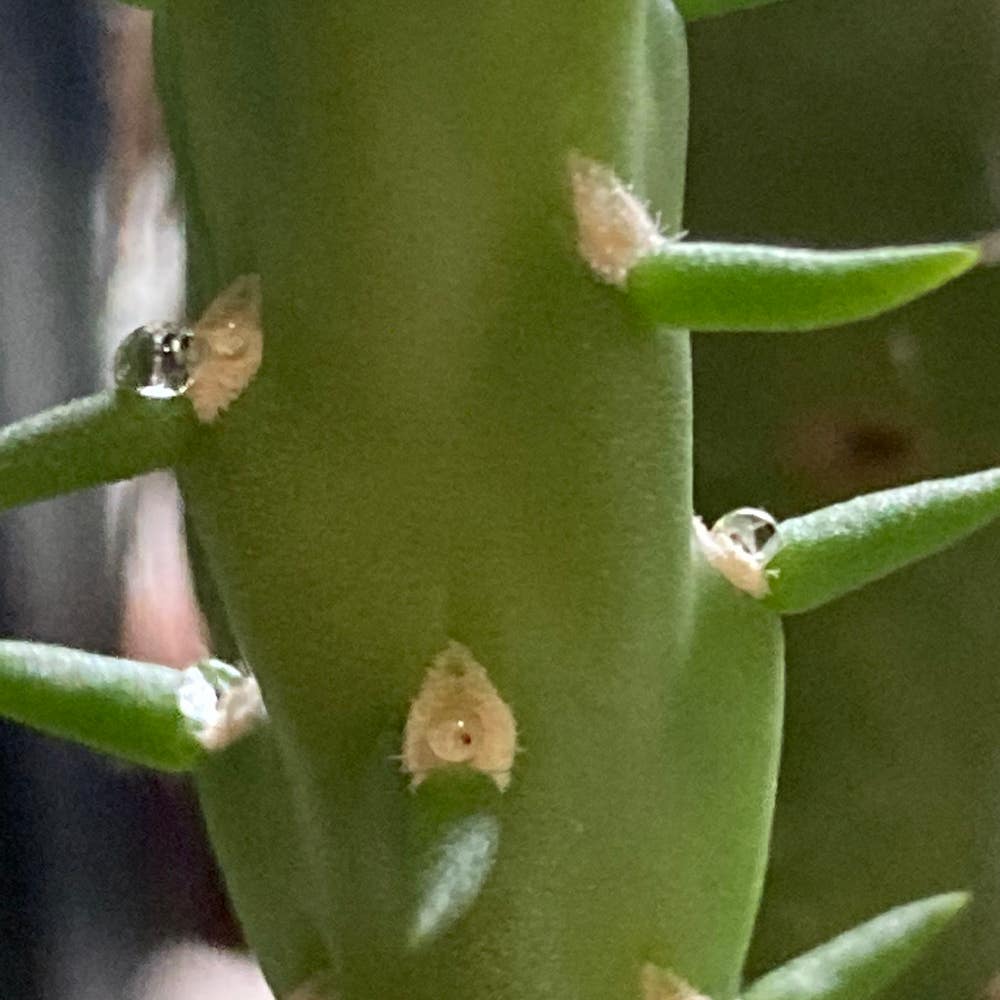
🌵 Teddy Bear Cholla Is a Garden Plant, Not a Weed
Cylindropuntia bigelovii
By the Greg Editorial Team
Jul 28, 2024•4 min read
This article was created with the help of AI so we can cover more plants for you. May contain errors. See one? Report it here.
Embrace Teddy Bear Cholla 🌵, the eco-friendly garden star that beautifies without overstepping.
- 🌵 Teddy Bear Cholla isn't invasive, with natural growth checks.
- 🌞 Plant in full sun, well-draining soil, and water sparingly.
- 🦋 Supports wildlife and biodiversity in garden landscapes.
Defining Invasiveness
🌿 What Makes a Plant Invasive
Invasive plants are the bullies of the botanical world, often non-native to their environment and capable of causing significant ecological, economic, or health-related harm. They typically:
- Spread aggressively, outcompeting native species for resources.
- Lack natural predators to keep their growth in check.
- Alter habitats, potentially leading to increased erosion or changes in soil chemistry.
However, it's a common mistake to label any vigorous plant as invasive. True invasiveness has a specific biological and ecological basis.
🌵 Teddy Bear Cholla's Classification
Teddy Bear Cholla, however, doesn't fit the invasive profile. It's distinguished by:
- Being native to its environment, thus evolved in balance with local ecosystems.
- Having natural checks and balances that regulate its spread.
Experts and official sources agree: Teddy Bear Cholla is not an invasive threat but a natural part of its habitat.
Garden Integration
🌵 Planting and Care
Planting Teddy Bear Cholla starts with understanding its desert origins. Here's how to give it a good start in your garden:
- Select a location with full sun exposure, mimicking its natural habitat.
- Use well-draining soil, preferably a cacti mix, to prevent root rot.
- Plant the cholla in the cooler months to reduce transplant shock.
- Water sparingly, allowing the soil to dry out between waterings.
For ongoing care, remember these tips:
- Provide bright light but shield from intense afternoon sun.
- Water more frequently during the growing season, less in winter.
- Repot every few years as the plant grows, using fresh cacti mix.
🎨 Design Considerations
Incorporating Teddy Bear Cholla into your garden design requires a bit of creativity and foresight:
- Use its unique shape and texture as a focal point in rock gardens or desert landscapes.
- Pair with other drought-tolerant plants for a cohesive, water-wise garden.
- Ensure there's enough space around the cholla to prevent accidental contact with its spines.
To manage growth and spread:
- Regularly remove fallen segments to control propagation.
- Consider container planting to restrict its size and spread.
- Elevate the cholla in garden beds or use barriers to limit its reach.
Non-Invasive Comparisons
🌵 Teddy Bear Cholla vs. Invasive Species
Teddy Bear Cholla stands out from invasive species through its growth and ecological impact. Unlike invasive plants that often spread aggressively and disrupt local ecosystems, Teddy Bear Cholla has natural checks on its proliferation. Its spines and unique reproductive strategy limit its spread, making it a responsible choice for gardeners. Visually, it offers a stark contrast with its dense, spiny appearance, which can enhance the aesthetic of any garden without the risk of overrunning it.
- Growth Impact: Teddy Bear Cholla grows at a measured pace and doesn't tend to displace native species.
- Ecological Impact: It plays a positive role in its natural habitat, providing shelter and resources for wildlife.
- Visual Appeal: Its distinctive look adds character and texture to garden landscapes.
🌵 Similar Garden-Friendly Cacti
While there are other non-invasive cacti to consider, Teddy Bear Cholla has its own set of advantages. It's a resilient plant that thrives with minimal care, making it ideal for xeriscaping and low-water gardens. Its unique form and flowering habits also offer a visually appealing addition to any space.
- Resilience: Adapts well to arid conditions, requiring less water than many other plants.
- Visual Interest: The Teddy Bear Cholla's structure and blooms provide a focal point in garden design.
- Wildlife Support: It serves as a habitat and food source for native bees and other desert-adapted wildlife.
Regulations and Sustainability
🌵 Planting Guidelines
When considering adding Teddy Bear Cholla to your garden, it's crucial to be aware of regional regulations. Here's what you need to know:
- Some areas may have specific guidelines or restrictions on planting Teddy Bear Cholla due to its growth habits.
- Always check with local conservation groups or agricultural extensions to ensure compliance with regional biodiversity plans.
Best practices for cultivating Teddy Bear Cholla responsibly include:
- Planting it in areas where it can grow without encroaching on other species.
- Monitoring its spread to maintain the intended garden design and ecological balance.
🌱 Sustainable Gardening
Teddy Bear Cholla is more than just a garden plant; it's a champion of sustainable gardening. Here's how it contributes:
- Its low water requirements make it an ideal candidate for xeriscaping, helping to conserve precious water resources.
- The plant's resilience and ability to stabilize soil can prevent erosion and support the local ecosystem.
In the long run, incorporating native plants like Teddy Bear Cholla can:
- Enhance biodiversity by providing habitats and resources for local wildlife.
- Reduce the garden's carbon footprint and contribute to a healthier environment.
⚠️ Safety First
This content is for general information and may contain errors, omissions, or outdated details. It is not medical, veterinary advice, or an endorsement of therapeutic claims.
Always consult a qualified healthcare professional before using any plant as food, medicine, or supplement.
Never eat any plant (or feed one to pets) without confirming its identity with at least two trusted sources.
If you suspect poisoning, call Poison Control (800) 222-1222, the Pet Poison Helpline (800) 213-6680, or your local emergency service immediately.
Spotted an error? Please report it here.
Transform your garden with the resilient Teddy Bear Cholla and let Greg's custom care plans 🌵 ensure it thrives without becoming a weed.