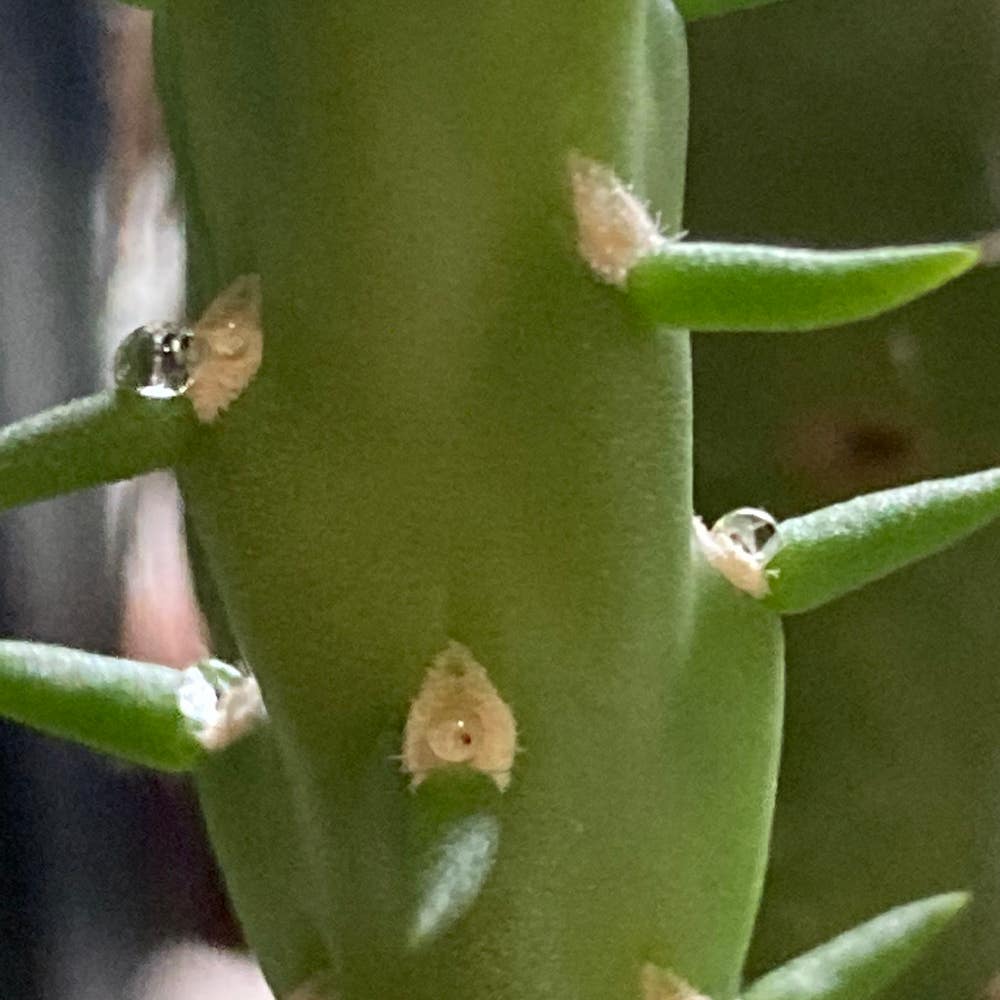
Step-by-Step Guide to Winterizing Teddy Bear Cholla
Cylindropuntia bigelovii
By the Greg Editorial Team
Jul 28, 2024•5 min read
This article was created with the help of AI so we can cover more plants for you. May contain errors. See one? Report it here.
Safeguard your Teddy Bear Cholla 🌵 through winter for a thriving spring revival!
- 🌵 Understand dormancy to protect Teddy Bear Cholla in winter.
- ❄️ Frost covers and dry soil are key to winter survival.
- 🌱 Ease into spring with careful watering and pruning post-dormancy.
Winter Dormancy Explained
❄️ Understanding Dormancy
Teddy Bear Cholla enters a state of winter dormancy, a survival strategy that aligns with the cooler, shorter days. During this period, their metabolic activities slow down, mirroring the natural rest phase they experience in their native desert habitats.
🌬️ Assessing Cold Hardiness
Teddy Bear Cholla's resilience to cold is remarkable but not limitless. They can typically withstand temperatures down to about 20°F (-6°C). However, prolonged exposure to freezing conditions without proper frost protection can be detrimental.
Frost Protection Strategies
🌨️ Implementing Frost Covers
Protecting your Teddy Bear Cholla from frost is crucial for its survival during chilly winters. Here's how to shield your spiky friend:
- Choose the Right Cover: Opt for breathable materials like burlap or frost cloth. Avoid plastic as it can trap moisture and cause more harm than good.
- Secure the Cover: Drape the cover over the cactus, ensuring it extends to the ground. Use rocks or pegs to anchor it, preventing cold air from sneaking in.
- Timing is Key: Cover your plant in the evening before temperatures plummet and remove it during the day to allow for air circulation and sunlight.
🏠 Sheltered Placement
Sometimes a cover isn't enough, and you might need to move your Teddy Bear Cholla to a more protected spot:
- Outdoor Shelter: Find a location shielded from harsh winds, perhaps against a south-facing wall, where it can still enjoy the winter sun.
- Indoor Transfer: If extreme cold is forecasted, consider bringing potted Teddy Bear Chollas indoors. Place them in a cool, bright room, away from direct heat sources.
- Grouping for Warmth: Cluster potted plants together near your home to create a microclimate that offers additional warmth and protection.
Watering During Winter
🌵 Reducing Watering Frequency
Winter beckons a slow dance with watering your Teddy Bear Cholla, as it enters a state of dormancy. Here's how to adjust your approach to prevent the dreaded root rot:
- Water only once a month or less, depending on the dryness of the soil.
- Allow the soil to completely dry out between watering sessions.
- Be mindful of the pot size; larger pots retain moisture longer, reducing the need for frequent watering.
👀 Monitoring Soil Moisture
Keeping a vigilant eye on soil moisture will safeguard your cactus during the colder months. Here's what to do:
- Feel the top inch of the soil; if it's dry to the touch, akin to a parched riverbed, it's time to water.
- Consider the environmental factors such as indoor heating that might affect the soil's moisture level.
- Use a moisture meter for a more precise reading, ensuring you're not overwatering your Teddy Bear Cholla.
Winter Fertilizing Tips
Pausing Fertilization
Teddy Bear Cholla, much like many other plants, takes a breather in the winter, entering a state of dormancy. During this time, it's not just asleep; it's practically in power-saving mode. Here's why you should dial back on fertilizing:
- The plant's growth slows down, so it requires fewer nutrients.
- Excess fertilizer can accumulate and potentially harm the roots, as the plant isn't absorbing it.
- A lighter feeding schedule, or even a complete pause, helps prevent wasteful runoff and environmental stress.
🌱 Preparing for Spring Feeding
As winter wanes and signs of spring emerge, it's time to think about waking your Teddy Bear Cholla up from its slumber with a nutritious meal. Follow these guidelines to get the timing just right:
- Wait until the risk of frost has passed and you notice new growth—it's the plant's way of saying it's ready to eat.
- Start with a balanced, slow-release fertilizer to ease the plant back into its growing cycle.
- Apply the first round of fertilizer when temperatures consistently hit the right mark for your region, often around 60°F (15°C).
Indoor Care Considerations
🏜️ Creating Indoor Environments
When winter whispers its chilly tales, it's time to ensure your Teddy Bear Cholla has a cozy indoor retreat. Here's how to replicate its natural desert conditions within your home:
- Position your Cholla near a south or west-facing window to bask in the bright, indirect sunlight it adores.
- Mimic the low humidity of its native habitat by steering clear of humidifiers and keeping it away from steamy kitchens or bathrooms.
- Choose a well-draining cactus mix and a pot with drainage holes to prevent soggy soil scenarios.
🌞 Light and Temperature Management
Managing your indoor desert dweller's light and temperature is like conducting an orchestra—every element needs to be in harmony:
- Ensure your Cholla gets its daily sun fix, but shield it from the harsh midday glare. Morning or late afternoon light is its jam.
- Keep the thermostat steady. Aim for a balmy 60°F to 80°F range, avoiding the drama of temperature swings.
- If your home is a light-challenged cave in the winter, consider a grow light to prevent your Cholla from slipping into a gloomy dormancy.
Preparing for Spring
🌵 Easing Out of Dormancy
As winter wanes, your Teddy Bear Cholla is ready to shake off its dormancy and embrace the growing season. Here's how to gently wake your spiky friend:
- Begin by gradually increasing water, mimicking the desert's natural wet-dry cycle, to signal the end of dormancy.
- Prune cautiously to remove any dead or excess growth, which helps direct energy towards new blooms and growth.
- Adjust the plant's exposure to light, providing more hours of sunlight to stimulate active growth.
❄️ Handling Winter Aftermath
Winter can be tough on Teddy Bear Cholla, but with the right care, it can bounce back. Post-winter, do a thorough check-up:
- Inspect for signs of frost damage or sunburn, indicated by discoloration or soft, mushy areas.
- If you spot any damage, prune the affected parts with sterilized tools to prevent infection and promote healing.
- Repot if necessary, using fresh, well-draining soil to give your plant a healthy new start for the season.
⚠️ Safety First
This content is for general information and may contain errors, omissions, or outdated details. It is not medical, veterinary advice, or an endorsement of therapeutic claims.
Always consult a qualified healthcare professional before using any plant as food, medicine, or supplement.
Never eat any plant (or feed one to pets) without confirming its identity with at least two trusted sources.
If you suspect poisoning, call Poison Control (800) 222-1222, the Pet Poison Helpline (800) 213-6680, or your local emergency service immediately.
Spotted an error? Please report it here.
Transition your Teddy Bear Cholla from winter dormancy to spring vitality 🌞 with Greg's custom care reminders and precise moisture tracking.