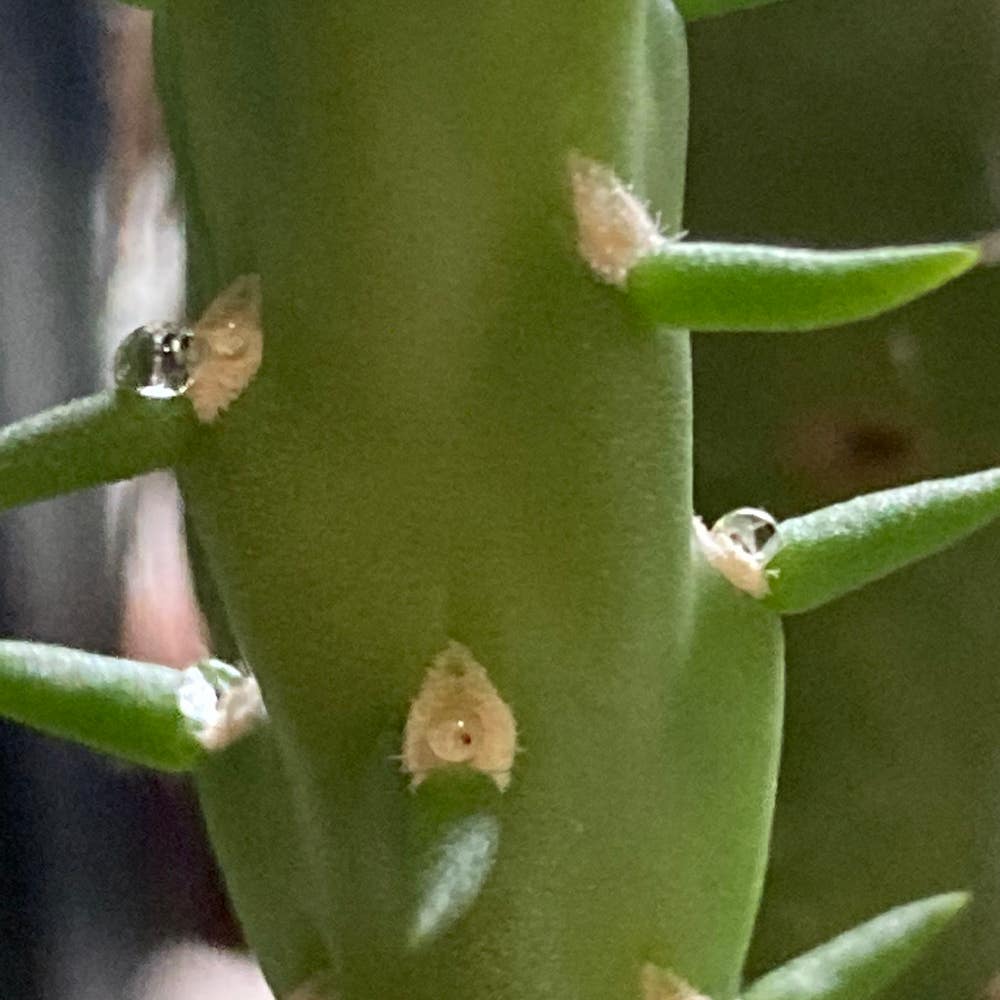
🌵 3 Perfect Spots to Grow Cylindropuntia bigelovii
Cylindropuntia bigelovii
By the Greg Editorial Team
Jul 28, 2024•5 min read
This article was created with the help of AI so we can cover more plants for you. May contain errors. See one? Report it here.
Nurture your Teddy Bear Cholla 🌵 to peak vibrancy with these sun-soaking and soil secrets!
- 🌞 Full sun is crucial for Cylindropuntia bigelovii's optimal growth.
- 🌵 Well-draining soil prevents root rot and supports health.
- 🏡 Consider microclimates near structures for best placement.
Sunlight and Shade
🌞 Full Sun Requirements
Cylindropuntia bigelovii, commonly known as the Teddy Bear Cholla, is a sun worshipper at heart. For it to flourish, it demands a generous amount of sunlight—think of a spot where it can bask in at least 6 hours of direct sun daily. This full sun exposure is crucial for the plant to maintain its robust growth and vibrant coloration.
- Ensure your garden plan allocates a space that receives unfiltered sunlight throughout the day.
- Consider the sun's path and seasonal changes to guarantee consistent sun exposure year-round.
🌘 Shade Sensitivity
While the Teddy Bear Cholla can handle a bit of shade, too much can lead to a lackluster existence. Inadequate light can cause the plant to stretch awkwardly towards the sun, resulting in a weakened structure and diminished visual appeal.
- Avoid deeply shaded areas which can stunt growth and reduce the plant's natural defense mechanisms.
- If you live in an intensely hot climate, a little afternoon shade can prevent potential sunburn without compromising the plant's vitality.
Soil and Drainage
Ideal Soil Composition
Cylindropuntia bigelovii thrives in soil that mimics its native arid habitats. Here's what to aim for:
- A gritty, porous mix that allows for quick water passage.
- Low organic content; too much can retain moisture and harm the roots.
- A blend of sand, perlite, and pumice to enhance drainage and aeration.
To meet these needs, consider these amendments:
- Mix in coarse sand or gravel to improve soil structure.
- Add perlite or pumice to increase porosity and drainage.
- Limit the amount of peat moss, which can hold water excessively.
Drainage Importance
🚰 Proper drainage is non-negotiable for Cylindropuntia bigelovii. It's the difference between a healthy cactus and one suffering from root rot. Here's how to ensure good drainage:
- Elevated planting beds or slopes can help water flow away from the roots.
- In containers, always use pots with drainage holes and avoid saucers that hold water.
- Regularly check and clear drainage paths to prevent clogging.
For garden beds:
- Incorporate a layer of gravel or broken pottery at the bottom to facilitate water movement.
- Test the drainage by filling the hole with water and observing how quickly it drains. Adjust the soil mix if necessary.
Location Considerations
Proximity to Structures
When choosing a spot for your Cylindropuntia bigelovii, consider the proximity to buildings and walls. These structures can create beneficial microclimates that may shield the plant from extreme temperatures or wind. However, it's crucial to avoid planting too close to avoid root intrusion and potential structural damage. Here's what to keep in mind:
- Ensure there's enough distance to prevent roots from disrupting foundations or hardscapes.
- Utilize the microclimate advantages of walls and fences, such as reflected heat or shelter from prevailing winds.
🌵 Companion Planting
Companion planting is about more than just aesthetics; it's about creating a thriving ecosystem for your Cylindropuntia bigelovii. Select plants that complement each other in terms of space, sunlight, and water needs. This careful selection helps to prevent resource competition and promotes a balanced garden environment. Consider these tips:
- Choose companions with similar sun exposure and watering requirements to ensure harmonious growth.
- Be mindful of spacing to give Cylindropuntia bigelovii and its neighbors enough room to flourish without crowding.
Special Considerations
🌵 Microclimate Impact
Cylindropuntia bigelovii thrives when you play matchmaker with its environment. Microclimates in your garden are like little neighborhoods, each with its own vibe. Here's how to spot the perfect micro-hood for your cactus:
- Look for sun traps that bask in warmth but dodge scorching midday rays.
- Identify areas shielded from cool drafts, where the air is still and the warmth lingers.
- Consider elevation changes; slopes can offer drainage benefits and temperature moderation.
💨 Wind and Element Exposure
Wind is the unsung hero or the sneaky villain in your cactus story. To keep Cylindropuntia bigelovii from getting tousled by the elements, use these strategies:
- Plant alongside sturdy shrubs or use trellises as windbreaks.
- For potted plants, position them where buildings can act as a shield.
- Remember, a little breeze is good—it prevents pests and diseases, but too much is a bully to your cactus's growth.
Container Cultivation
🌱 Choosing the Right Container
Selecting an ideal container for Cylindropuntia bigelovii is crucial for its health and growth. Here's what to consider:
- Size: Start with a container that gives your plant room to grow but isn't excessively large, as this can lead to moisture retention and root rot.
- Material: Terra cotta or other breathable materials are preferred for their ability to wick away excess moisture.
- Drainage: Ensure the container has ample drainage holes. If it's designed to sit on a saucer, invert the saucer or use one that doesn't retain water to avoid soggy conditions.
🌞 Outdoor and Indoor Placement
Finding the right spot for your container-grown Cylindropuntia bigelovii balances sun exposure with protection:
- Sunlight: Aim for a location that receives plenty of sunlight, as this plant thrives in full sun conditions.
- Protection: If you live in an area with intense heat, consider shading the container itself to protect the roots from overheating.
- Indoors: When placing indoors, choose a sunny window but be prepared to move the plant outside periodically for additional light if needed.
- Microclimates: Take advantage of microclimates around your home, such as heat reflected from walls, to create an ideal environment for your plant.
⚠️ Safety First
This content is for general information and may contain errors, omissions, or outdated details. It is not medical, veterinary advice, or an endorsement of therapeutic claims.
Always consult a qualified healthcare professional before using any plant as food, medicine, or supplement.
Never eat any plant (or feed one to pets) without confirming its identity with at least two trusted sources.
If you suspect poisoning, call Poison Control (800) 222-1222, the Pet Poison Helpline (800) 213-6680, or your local emergency service immediately.
Spotted an error? Please report it here.
Find the ideal nook for your Cylindropuntia bigelovii and let Greg's personalized care plans and spot-on location advice ensure it flourishes 🌵!