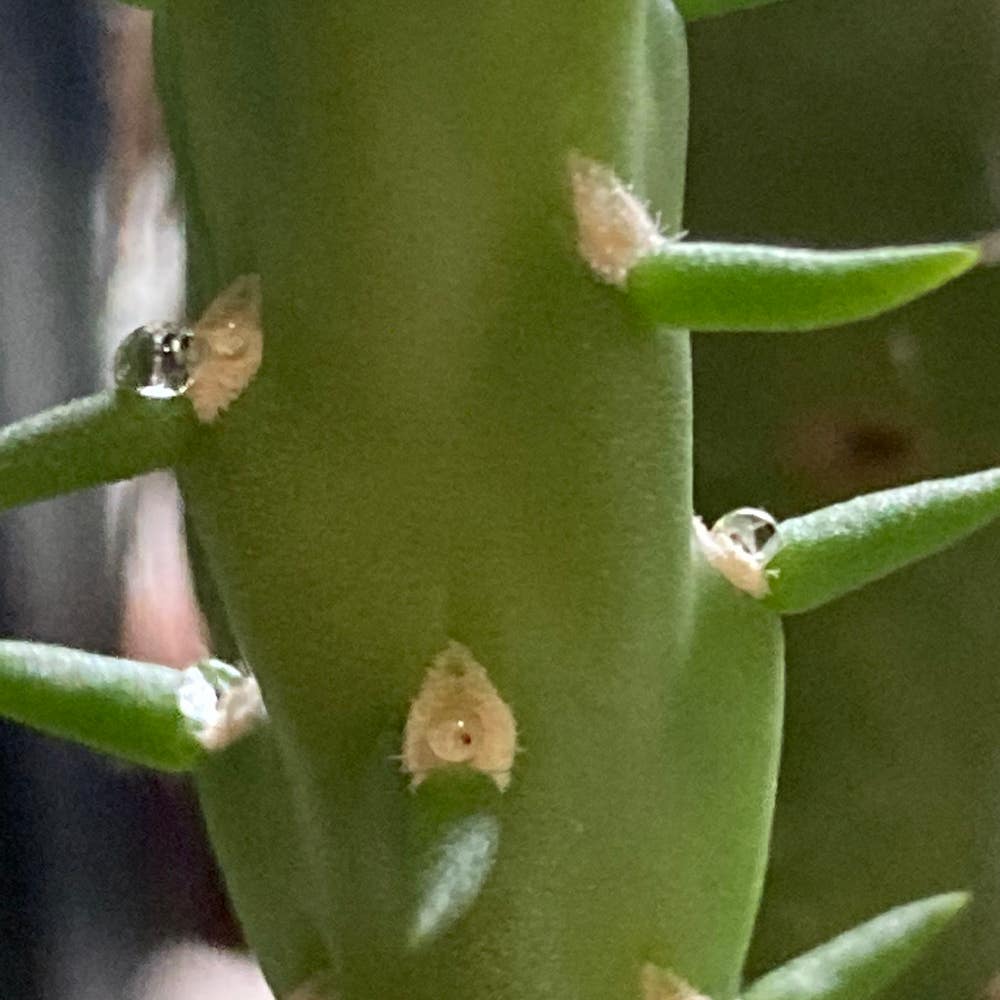
5 Essential Steps to Grow Healthy Cylindropuntia bigelovii
Cylindropuntia bigelovii
By the Greg Editorial Team
Jul 28, 2024•8 min read
This article was created with the help of AI so we can cover more plants for you. May contain errors. See one? Report it here.
Master the art of growing Teddy Bear Cholla 🌵 for a thriving, low-maintenance desert garden.
- 🌞 Full sun is crucial—Cylindropuntia bigelovii needs 6+ hours of sunlight daily.
- 💧 Water deeply, but infrequently to best replicate its natural desert habitat.
- ✂️ Prune in late winter to maintain health and manage the cactus's shape.
Site Selection
🌞 Sunlight and Exposure
Cylindropuntia bigelovii thrives in full sun, where it can soak up the rays to support its growth. Select a site that receives consistent sunlight throughout the day, but be mindful of the intense midday sun in hotter climates, which may necessitate some afternoon shade.
- Aim for a location with at least 6 hours of direct sunlight daily.
- Avoid areas where buildings, fences, or trees cast prolonged shadows.
🌡️ Temperature and Climate Adaptability
These cacti are champions of heat and have a good tolerance for cold, but they prefer environments that mimic their native desert habitat. Ensure your chosen site can accommodate their hardiness zones and temperature preferences.
- Best grown in USDA Hardiness Zones 8 - 10.
- Can withstand temperatures down to about 20°F (-6°C) once established.
🌿 Outdoor vs. Container Growing
Whether you plant your Teddy Bear Cholla in the ground or in a container will depend on your space and flexibility needs. Containers offer the advantage of portability, allowing you to adjust the plant's location based on seasonal changes.
- For outdoor planting, ensure the site has well-draining soil and space for the plant to reach its mature size.
- When using containers, choose a sizeable pot with drainage holes and position it in a sunny spot that can be modified as needed.
Soil and Planting
🌵 Soil Composition and Drainage
Cylindropuntia bigelovii thrives in soil that mimics its native desert habitat. Here's what you need to know:
- Opt for sandy or gravelly soil that ensures quick drainage.
- Incorporate organic matter to balance moisture retention and nutrient supply.
- Avoid dense, clay-heavy soils that retain water and may lead to root rot.
🌵 Planting Teddy Bear Cholla
When planting your Teddy Bear Cholla, consider these steps:
- Choose a sunny location with ample airflow to prevent moisture buildup.
- Dig a hole slightly larger than the root ball, setting the plant at the same depth it was in its previous container.
- Backfill with your well-draining soil mix, gently tamping down to eliminate air pockets.
🌵 Container Planting Considerations
Container growing offers control over the growing environment:
- Select terracotta pots with drainage holes to reduce the risk of waterlogging.
- Ensure the pot size is appropriate—too large, and the soil stays damp; too small, and roots may become restricted.
- Place the container in a location that receives plenty of sunlight and has good air circulation.
Watering Requirements
💧 Establishing a Watering Schedule
Cylindropuntia bigelovii demands a watering schedule that reflects its desert heritage. Initially, water regularly to establish a deep root system. Once mature, it's drought-tolerant, requiring infrequent watering.
- Water deeply but infrequently to mimic natural arid conditions.
- During the first growing season, water once a week; adjust based on the plant's response and weather patterns.
- After establishment, reduce watering to every three to four weeks, depending on the climate and season.
🚱 Signs of Overwatering and Underwatering
Recognizing the signs of improper watering can prevent stress on your Cylindropuntia bigelovii.
- Overwatering: Look for yellowing or mushy stems, a sign of root rot.
- Underwatering: A thirsty plant will have wrinkled or shriveled stems.
- Use the touch test: Soil should be dry an inch below the surface before watering again.
🌦 Adjusting to Weather Conditions
Your watering routine should be flexible, adapting to the whims of the weather.
- Increase watering frequency during heatwaves or extended dry spells.
- Decrease or skip watering sessions during cool, rainy periods.
- Monitor soil moisture regularly and adjust your schedule accordingly, avoiding a rigid routine.
- Consider the plant's location: those in full sun or windy areas may need more frequent watering.
Remember, Cylindropuntia bigelovii's watering needs will vary with seasonal changes and its growth stage. Stay observant and responsive to ensure your plant remains healthy and hydrated.
Fertilization Strategy
🌱 Understanding Nutrient Needs
Cylindropuntia bigelovii, like any plant, has specific dietary needs to flourish. It's not just about giving it more "food" but about understanding what kind of nutrients it craves. Here's the lowdown:
- Macronutrients: Nitrogen, phosphorus, and potassium are the big three, often referred to as N-P-K.
- Micronutrients: These are needed in smaller amounts but are still vital for healthy growth.
- Soil Testing: It's a smart move. This tells you exactly what's in your soil and what your plant is yearning for.
🌿 Fertilizer Types and Application
Choosing the right fertilizer is like picking the perfect meal for your plant. Here's how to do it right:
- Slow-Release Fertilizers: These are the set-it-and-forget-it kind. They gradually feed your plant over time.
- Liquid Fertilizers: Think of these as a quick snack for your plant. They're fast-acting but don't last as long.
- Organic Options: If you're going green, there are plenty of organic fertilizers that can do the job. Remember, read those labels and follow the instructions to a T.
🚫 Avoiding Over-fertilization
More is not always better. Over-fertilizing can lead to a nutrient overdose, causing more harm than good. Keep these points in mind:
- Observe Your Plant: Yellowing leaves or stunted growth? Your plant might be telling you it's had enough.
- Stick to a Schedule: Overzealous fertilizing can lead to a buildup of salts that can damage your Cylindropuntia bigelovii.
- Foliar Sprays: Use them sparingly. They're like a quick fix but can't replace a solid fertilization plan.
Pruning Practices
Pruning isn't just a haircut for your Cylindropuntia bigelovii; it's a vital part of its health and aesthetics.
When and How to Prune ✂️
Pruning should be a thoughtful process, not a hasty one. For Cylindropuntia bigelovii, the best time to prune is in the late winter to early spring, before the growing season kicks in. This timing allows the plant to heal and reduces the risk of infection.
- Use clean, sharp tools to make precise cuts.
- Aim for a growth point when removing segments to encourage proper regrowth.
- Larger sections may require a saw, while smaller ones can be handled with pruners.
Managing Plant Shape and Size 🌳
Controlling the shape and size of your Cylindropuntia bigelovii is part art, part science.
- Step back periodically to assess the plant's overall form.
- Trim strategically to maintain its natural appearance while keeping it within your desired dimensions.
- Remember, less is often more; avoid over-pruning as it can stress the plant.
Dealing with Damaged Segments 💔
Damaged segments can invite disease, so it's crucial to address them promptly.
- Inspect for discoloration, soft spots, or shriveling which indicate health issues.
- Remove any damaged parts back to healthy tissue to prevent decay.
- After pruning, ensure the plant has enough airflow and light to recover optimally.
Seasonal Care
🌿 Adapting to Seasons
Cylindropuntia bigelovii thrives when its care aligns with the seasonal ebb and flow. As spring warms the air, it's time to ramp up watering and watch for new growth signaling the end of dormancy. Summer heat may necessitate partial shading and increased hydration to prevent sunburn and dehydration. As autumn cools, reduce watering frequency to match the plant's slowing metabolism.
- Spring: Increase watering as temperatures rise.
- Summer: Provide shade during peak heat and monitor for signs of stress.
- Autumn: Begin to reduce watering in anticipation of dormancy.
📈 Growth Monitoring and Adjustments
Regularly check on your Cylindropuntia bigelovii, noting changes in growth rate and health. Adjust care routines as needed; for instance, a growth spurt may call for more frequent watering or fertilization. Conversely, a slowdown suggests it's time to scale back.
- Observe growth patterns and adjust care accordingly.
- Be proactive in spotting and addressing any signs of stress or disease.
❄️ Preparing for Dormancy
As winter approaches, your Cylindropuntia bigelovii will enter a dormant state to conserve energy. This is a natural process, and your plant care should reflect this shift. Gradually decrease watering and stop fertilizing to allow the plant to rest. Ensure it's situated in a spot that avoids frost, as cold temperatures can be damaging.
- Reduce watering gradually as winter nears.
- Cease fertilization to support the plant's rest period.
- Protect from frost to prevent cold damage.
Proactive Problem Management
🐛 Identifying Pests and Diseases
Regular inspections are the cornerstone of plant health. At least once a week, examine your Cylindropuntia bigelovii for signs of trouble, turning over leaves and checking for pests or disease symptoms. Equip yourself with a magnifying lens and a notebook to record observations, which can be invaluable for tracking and preventing future outbreaks.
- Look for discoloration, spots, or bites on leaves and stems.
- Check for insects, larvae, or unusual plant secretions.
- Use sticky traps to monitor for flying pests.
🚫 Implementing Preventive Measures
Prevention is more effective than cure when it comes to plant health. Create an unwelcoming environment for pests by maintaining cleanliness around your plants. Remove debris and dead plant matter regularly, and consider introducing natural predators like ladybugs to keep pest populations down.
- Ensure good sanitation by cleaning up leaf litter and pruning off dead segments.
- Introduce beneficial insects that prey on common pests.
- Use barriers or row covers to physically protect plants from invaders.
🌿 Addressing Environmental Stressors
Environmental stress can make your Cylindropuntia bigelovii more susceptible to problems. Monitor your plant's exposure to extreme temperatures, and adjust watering and shading as necessary. Balanced fertilization is crucial; it's like providing a well-rounded diet that keeps your plant robust and less inviting to pests.
- Adjust watering practices to prevent stress during extreme heat or cold.
- Use shade cloths to protect from intense sunlight.
- Fertilize appropriately, avoiding the temptation to over-fertilize, which can promote disease.
⚠️ Safety First
This content is for general information and may contain errors, omissions, or outdated details. It is not medical, veterinary advice, or an endorsement of therapeutic claims.
Always consult a qualified healthcare professional before using any plant as food, medicine, or supplement.
Never eat any plant (or feed one to pets) without confirming its identity with at least two trusted sources.
If you suspect poisoning, call Poison Control (800) 222-1222, the Pet Poison Helpline (800) 213-6680, or your local emergency service immediately.
Spotted an error? Please report it here.
Ensure your Cylindropuntia bigelovii is as stunning 🌵 as the desert it hails from, with Greg's custom watering and care plans tailored to your home environment.