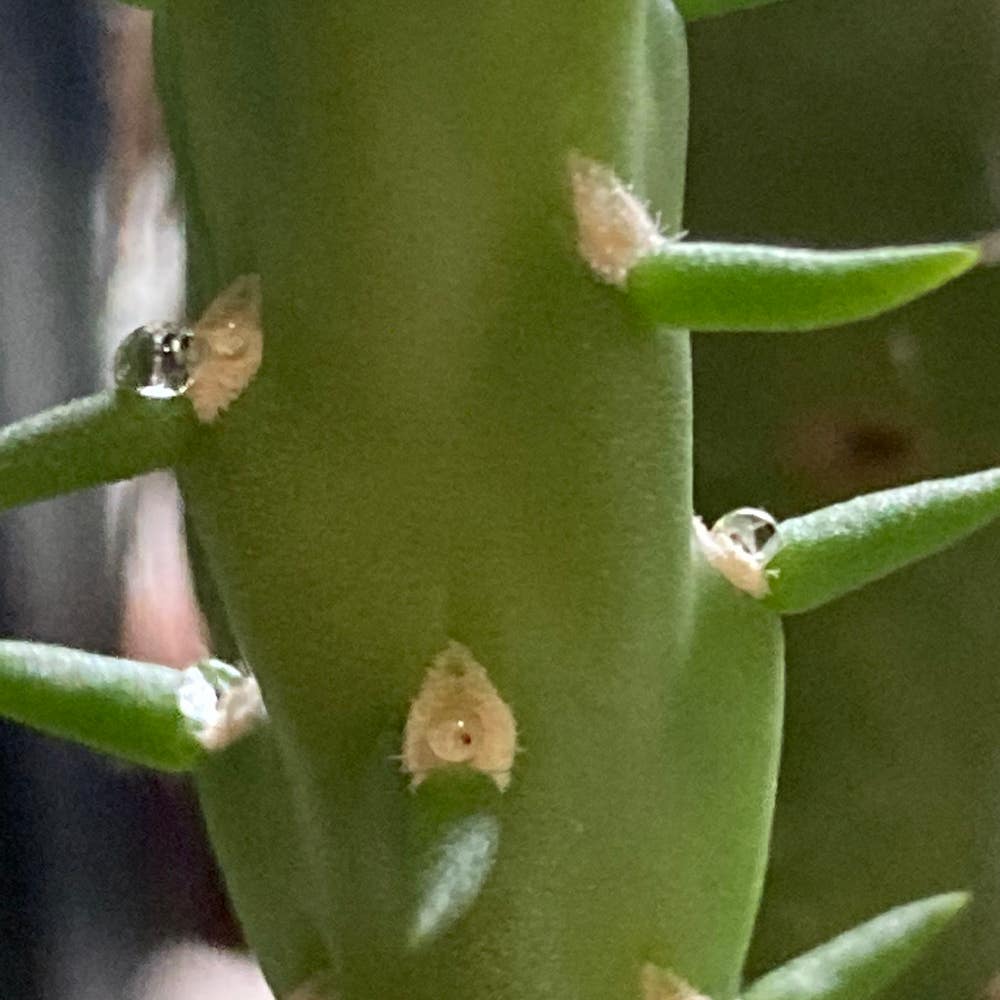
🌵 Best Climate for Teddy Bear Cholla: Zones 9a-11b
Cylindropuntia bigelovii
By the Greg Editorial Team
Jul 28, 2024•3 min read
This article was created with the help of AI so we can cover more plants for you. May contain errors. See one? Report it here.
Grow lush Teddy Bear Cholla 🌵 in your state by mastering microclimate magic, even outside the cactus comfort zone!
- 🌵 USDA zones 9a-11b are ideal for Teddy Bear Cholla's warmth needs.
- 📍 Arizona and California excel in providing perfect climates for growth.
- 🌡️ Microclimates are crucial for success in borderline or non-ideal zones.
Ideal US States for Cultivation
🌵 States Within Zones 9a-11b
Teddy Bear Cholla finds its sweet spot in the warmth of USDA hardiness zones 9a-11b. Here's why:
- States like Arizona, California, Nevada, and parts of Texas offer the ideal climate with mild winters and hot summers.
- These regions typically avoid the harsh frosts that can damage the cactus, aligning with its need for consistent warmth.
📚 Case Studies: Arizona and California
Arizona and California are exemplary states for Teddy Bear Cholla cultivation:
- Arizona's desert climate provides ample sunlight and dry conditions, making it a natural habitat for this cactus.
- California's varied landscape includes areas with the perfect combination of heat and minimal frost, particularly in its southeastern regions.
- Microclimates in these states can create pockets where Teddy Bear Cholla thrives, even in borderline areas.
Microclimate Considerations
🌵 The Role of Microclimates
Microclimates can be game-changers for Teddy Bear Cholla enthusiasts living on the edge of the cactus's comfort zone. These unique pockets of climate within a larger area can significantly differ in temperature, moisture, and light, making them either friend or foe to your spiky companion.
- Sheltered garden nooks may retain warmth, allowing the Cholla to bask in extra degrees during cooler months.
- Conversely, dense foliage can create cooler spots, potentially protecting the cactus from scorching summer sun.
🌍 Cultivating in Non-Ideal Zones
Growing Teddy Bear Cholla outside zones 9a-11b can be a bold move, but with the right microclimate manipulation, it's not impossible. Here's how to tip the scales in your favor:
- Construct windbreaks to shield your Cholla from chilling gusts.
- Use reflective surfaces to increase light and warmth in shadowed areas.
- Consider raised beds for better drainage and warmth retention.
- Employ frost cloths on chilly nights to fend off the cold.
Remember, while microclimates offer a buffer, they require careful monitoring to ensure they remain within the Cholla's tolerable range.
State-by-State Guide
🌵 States for Successful Growth
Teddy Bear Cholla, a desert native, finds its comfort zone in the warm embrace of USDA hardiness zones 9a to 11b. Here's where it thrives:
- Arizona: With ample sunshine and warm winters, it's a Cholla's paradise.
- California: Coastal breezes and mild temperatures make it a prime spot.
- Nevada: Despite the heat, Cholla's love the dry, desert conditions.
- Texas: Certain areas provide the perfect blend of heat and minimal frost.
- Florida: Humid yet frost-free regions are ideal for these spiny residents.
These states offer the perfect cocktail of conditions: long, hot summers and short, mild winters. The key ingredient? Consistent warmth with minimal frost risk.
🌵 Challenging States
Venturing outside the comfort zones, Teddy Bear Cholla faces a prickly situation. States with colder climates or those prone to deep freezes pose significant challenges:
- Northern states: Prolonged cold and frost can be a death sentence.
- Midwestern regions: Extreme temperature fluctuations stress the Cholla out.
- Eastern seaboard: High humidity coupled with cold snaps isn't ideal.
In these areas, the cold tolerance of Teddy Bear Cholla is put to the test, often with less than desirable outcomes. Heat extremes can also be problematic, as they may lead to moisture stress and sunburn.
⚠️ Safety First
This content is for general information and may contain errors, omissions, or outdated details. It is not medical, veterinary advice, or an endorsement of therapeutic claims.
Always consult a qualified healthcare professional before using any plant as food, medicine, or supplement.
Never eat any plant (or feed one to pets) without confirming its identity with at least two trusted sources.
If you suspect poisoning, call Poison Control (800) 222-1222, the Pet Poison Helpline (800) 213-6680, or your local emergency service immediately.
Spotted an error? Please report it here.
Ensure your Teddy Bear Cholla flourishes even in challenging climates with Greg's PlantVision 🌡️, tailoring care to your unique microclimate for optimal growth.