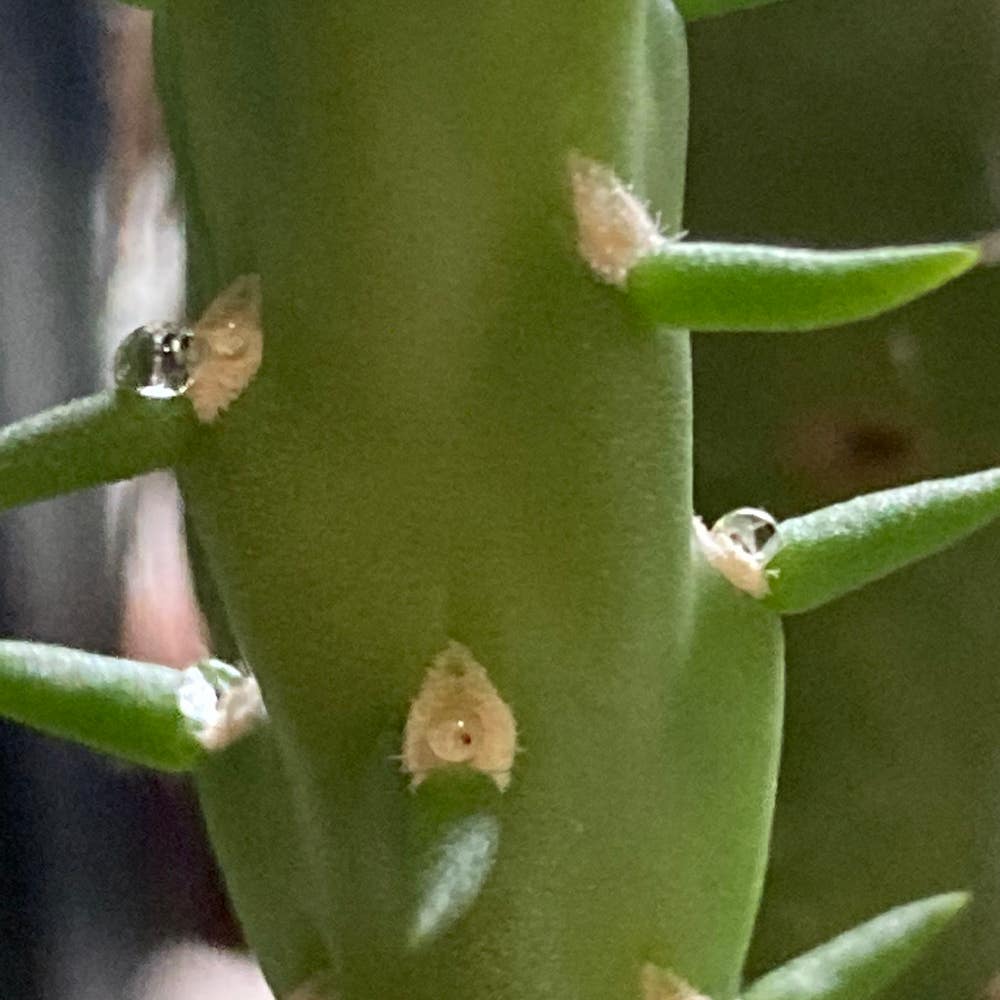
Natural Predators of Cylindropuntia bigelovii Pests
Cylindropuntia bigelovii
By the Greg Editorial Team
Jul 28, 2024•4 min read
This article was created with the help of AI so we can cover more plants for you. May contain errors. See one? Report it here.
Protect your cacti 🌵 from pesky invaders with expert pest management tips!
- 🌵 Cylindropuntia bigelovii faces multiple pests, including spider mites and scale insects.
- 🐜🔍 Early detection is crucial for effective pest management.
- 🌱 Integrated Pest Management (IPM) offers sustainable treatment options.
Identifying Common Pests
Cylindropuntia bigelovii, alCylindropuntia bigeloviiar Cholla, faces various pest threats that can compromise its health.
🕷️ Spider Mites
- Tiny arachnids that create fine webs on the plant.
- Look for yellowing or bronzed leaves as signs of an infestation.
🐞 Scale Insects
- Small, hard-shelled bugs that attach to stems and leaves.
- Infested areas may appear as bumpy or waxy deposits, causing yellowing and leaf drop.
🦟 Fungus Gnats and Fruit Flies
- Small flying insects hovering around the soil.
- Their larvae feed on roots, leading to stunted growth and wilting.
🦠 Mealybugs
- Soft-bodied insects with a white, cottony appearance.
- They cluster in leaf axils and stem joints, sapping the plant's vigor.
🦗 Aphids
- Small, pear-shaped insects that coBacillus thuringiensis israelensiseaves and stunted shoots are common symptoms.
🦋 Whiteflies
- Tiny, white-winged insects that swarm when disturbed.
- They leave behind a sticky residue and can cause leaf yellowing.
🪲 Weevils
- Beetles with a distinctive snout that bore into the plant.
- Look for holes in the stems and a sawdust-like frass.
🪰 Unique Pests to Cylindropuntia bigelovii
- Some pests are particularly drawn to this species.
- Monitor for unusual damage patterns and consult experts for rare pest identification.
Integrated Pest Management (IPM)
Integrated Pest Management (IPM) is a smart, multi-faceted approach to keeping Cylindropuntia bigelovii healthy and pest-free. It's not just about reacting to problems; it's about preventing them.
Principles of IPM for Cylindropuntia bigelovii:
- Combine biological, cultural, mechanical, and chemical methods.
- Monitor plants regularly to catch pests early.
- Establish action thresholds to decide when to intervene.
- Opt for the least invasive treatments as a first line of defense.
- Use chemicals as a last resort, favoring environmentally sensitive options.
Early Detection and Intervention Strategies:
- Be a plant detective; inspect your cacti frequently for any signs of pests.
- Introduce beneficial insects like ladybugs to naturally control aphids.
- Implement cultural practices such as proper spacing and pruning.
- Embrace mechanical controls like hand-picking pests or using wasterile potting mixnecessary, apply organic or chemical treatments, but always consider the impact on the environment and the plant's ecosystem.
TreatmenRemove plant debrisomes to safeguarding your Cylindropuntia bigelovii from pests, you've got a toolbox of treatments at your diWipe down leaveseak down the strategies for each critter.
🕷️ Spider Mites Treatment
- Chemical Control: Miticides like etoxazole and hexythiazox target different life stages. Rotate chemicals to prevent resistance.
- Organic/Natural Control: Neem oil and insecticidal soap are effective, but require reapplication. Water sprays can also reduce populations.
🐞 Scale Insects Treatment
- Chemical Control: Systemic insecticides can offer long-term relief. Always follow label instructions.
- Organic/Natural Control: Horticultural oils suffocate scales. Hand-picking can manage larger, visible pests.
🦟 Fungus Gnats / Fruit Flies Treatment
- Chemical Control: Bacillus thuringiensis israelensis as a soil drench targets larvae. Systemic insecticides are another option.
- Organic/Natural Control: Sticky traps for adults, and reducing watering to prevent larval growth.
🐛 Mealybugs Treatment
- Chemical Control: Contact insecticides can be used, but may require multiple applications.
- Organic/Natural Control: Neem oil and horticultural soap can control infestations; hand-picking helps with larger bugs.
🦗 Aphids Treatment
- Chemical Control: Foliar sprays with insecticidal soaps or synthetic pyrethroids like permethrin.
- Eco-friendly Solutions: Ladybugs are natural predators. Neem oil acts as a deterrent and control agent.
🦋 Whiteflies Treatment
- Chemical Control: Insecticidal soaps and pyrethrins can be effective against whiteflies.
- Natural Controls: Yellow sticky traps for monitoring and water sprays to dislodge the pests.
🐜 Weevils Treatment
- Chemical Control: Pesticides labeled for weevil control, but use cautiously to protect beneficial insects.
- Organic Solutions: Neem oil and beneficial nematodes can reduce weevil populations.
Remember, always test a small area of your plant before applying any treatment, and consider the impact on the environment and non-target organisms.
Prevention and Plant Hygiene
Preventing pest infestations in Cylindropuntia bigelovii begins with a proactive approach. Here's how to keep your spiny companions healthy and pest-free.
🛡️ Preventative Measures
- Start with sterile potting mix to avoid introducing pests from the get-go.
- Disinfect tools and pots regularly; it's like giving your plants a safe space to thrive.
- Remove plant debris promptly; it's not just tidying up, it's strategic defense.
🧼 Plant Hygiene and Inspection Routines
- Wipe down leaves and inspect nooks and crannies during your plant care routine.
- Quarantine new plants for at least a month to ensure they're not harboring stowaways.
- Keep an eye out for the subtlest signs of distress; early detection is key.
🌿 Seasonal Pest Management
- Adjust your vigilance with the changing seasons; some pests prefer different times of the year.
- Stay extra vigilant during warm months when pests like to party the most.
- Remember, a clean and well-maintained plant is less likely to invite pests over, no matter the season.
⚠️ Safety First
This content is for general information and may contain errors, omissions, or outdated details. It is not medical, veterinary advice, or an endorsement of therapeutic claims.
Always consult a qualified healthcare professional before using any plant as food, medicine, or supplement.
Never eat any plant (or feed one to pets) without confirming its identity with at least two trusted sources.
If you suspect poisoning, call Poison Control (800) 222-1222, the Pet Poison Helpline (800) 213-6680, or your local emergency service immediately.
Spotted an error? Please report it here.
Safeguard your cacti 🌵 with Greg's personalized care plans that include natural pest prevention tips for your Cylindropuntia bigelovii.