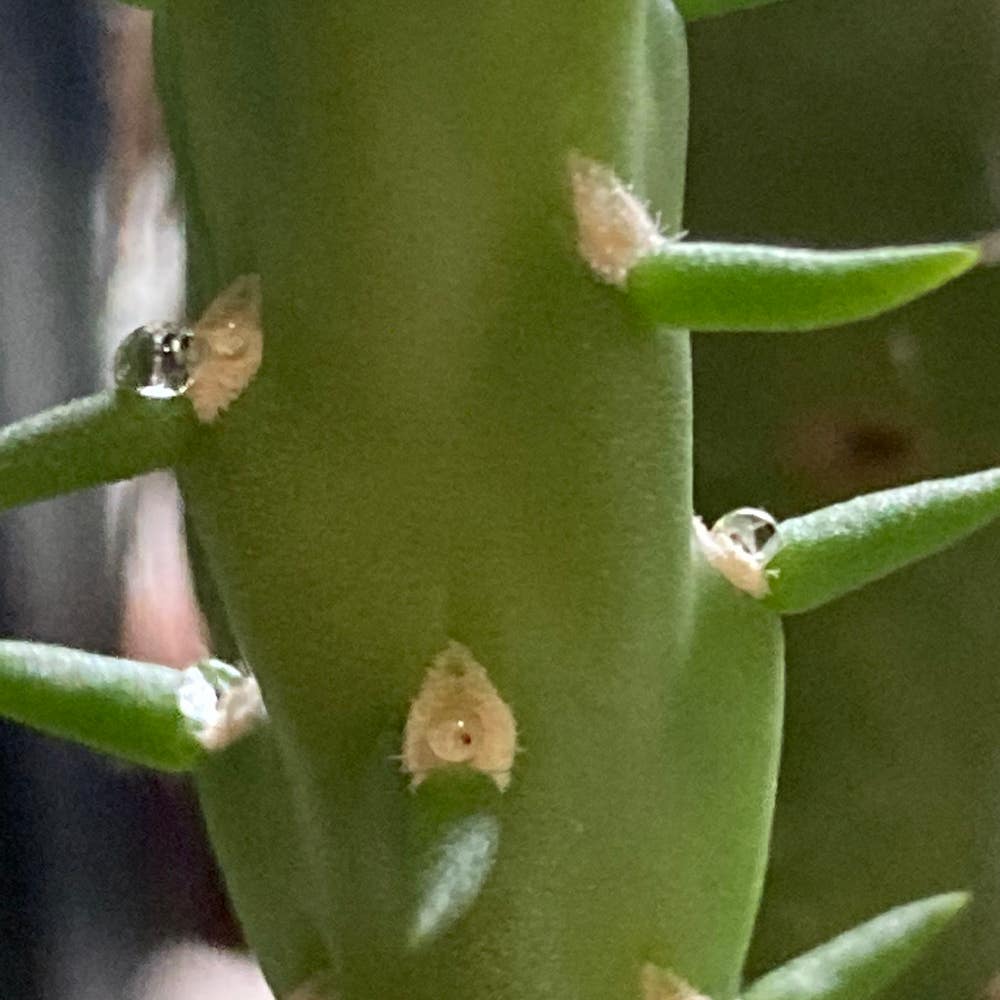
🌵 Best Soil for Your Cylindropuntia bigelovii
Cylindropuntia bigelovii
By the Greg Editorial Team
Jul 28, 2024•4 min read
This article was created with the help of AI so we can cover more plants for you. May contain errors. See one? Report it here.
Save your spiky Cylindropuntia bigelovii from distress with these crucial soil care tips! 🌵💧
- 🌵 Ideal pH for Cylindropuntia bigelovii: 5.5 to 6.5 for healthy growth.
- 💧 Drainage is crucial: Modify soil with gritty materials to prevent waterlogging.
- 🌱 Custom soil mix: Combine potting soil, perlite, sand, and organic matter.
Soil Drainage Essentials
🕵️ Spotting Drainage Issues
Poor drainage is a silent adversary for Cylindropuntia bigelovii, often leading to a cascade of health issues. Recognizing the signs early can save your spiky friend from distress. Look out for water that pools on the soil surface, a clear indication that the soil is holding more moisture than it should. If the pot feels unusually heavy or if you notice a musty smell, these are your cues that the roots are in a soggy predicament.
🛠️ Fixing Drainage Problems
To turn the tide on poor drainage, consider these actionable steps:
- Check and Clear Drainage Holes: Ensure your pot's drainage holes are unobstructed. A simple poke with a wire can clear the way for water to escape.
- Modify Your Soil Mix: Introduce gritty materials like perlite, coarse sand, or gravel to your soil mix. These create air pockets, allowing water to flow freely.
- Elevate Your Pot: Use pot feet or a stand to raise your pot off the ground. This improves airflow and drainage.
- Water Wisely: Water your Cylindropuntia bigelovii only when the top inch of soil is dry to the touch. Overwatering is a common misstep.
- Choose the Right Pot: Opt for a pot that's not too large for your cactus. Excess soil can retain unnecessary moisture, leading to waterlogging.
Soil pH Balance
🌱 Understanding pH Needs
Cylindropuntia bigelovii thrives in a soil pH that's slightly acidic to neutral. The right pH ensures the plant can absorb nutrients effectively, crucial for its health and growth.
- Ideal pH range: 5.5 to 6.5
- Effects of incorrect pH: Nutrient uptake issues, potential for growth problems
🧪 Adjusting Soil pH
To keep your Cylindropuntia bigelovii in peak condition, testing and adjusting your soil's pH is essential.
- Testing methods: pH test kits, pH testing strips, or digital pH meters
- Raising pH: Add lime
- Lowering pH: Incorporate sulfur or aluminum sulfate
Regular monitoring and adjustments will help maintain the ideal pH balance for your plant.
Custom Soil Mix for Cylindropuntia bigelovii
🌱 Soil Mix Ingredients
Creating the ideal soil mix for your Cylindropuntia bigelovii starts with selecting the right components. Here's what you'll need for a well-draining mix:
- Standard potting soil (avoid large chunks of wood or bark)
- Perlite or pumice for improved drainage
- Coarse sand to prevent compaction
- Organic matter like peat moss or coco coir for moisture retention
🌿 Mixing Your Own Soil
Now, let's get down to business and mix up some soil that your Cylindropuntia bigelovii will love. Follow these steps for a custom blend:
- Choose a large container to mix your ingredients, like a plastic tub or wheelbarrow.
- Measure out the components using a consistent volume, such as a 5-quart bucket:
- 1 part standard potting soil
- 2 parts perlite or pumice
- 1 part coarse sand
- 1 part peat moss or coco coir
- Mix the ingredients thoroughly to ensure an even distribution.
- Test the texture; it should be loose and crumbly, not clumping or dusty.
- Adjust as needed, adding more perlite if it's too compact or more organic matter if too loose.
Remember, while this is a solid starting point, feel free to tweak the proportions based on your plant's response and the availability of materials. Your Cylindropuntia bigelovii will thank you for the effort with robust growth and vibrant health.
Recognizing Unhealthy Soil
Signs of Soil Distress
Unhealthy soil can spell trouble for your Cylindropuntia bigelovii. Keep an eye out for these red flags:
- Mold growth or a musty smell, which indicates excess moisture and poor drainage.
- Pests like mealybugs or scale insects, which thrive in compromised soil conditions.
- Nutrient deficiencies, often revealed by discolored or wilting leaves.
🚨 Restoring Soil Health
When your soil sends an SOS, here's how to respond:
- Cut back on watering to let the soil dry out a bit, especially if it's waterlogged.
- Remove any visible mold and turn over the top layer of soil to introduce air and disrupt mold growth.
- Evict pests using insecticidal soap or neem oil, steering clear of harsh chemicals.
- Test soil pH and adjust with sulfur or lime to achieve the ideal balance for your cactus.
- Enrich the soil with organic matter like compost to improve nutrient content and structure.
By staying vigilant and taking prompt action, you can keep the soil in top shape and your Cylindropuntia bigelovii thriving.
⚠️ Safety First
This content is for general information and may contain errors, omissions, or outdated details. It is not medical, veterinary advice, or an endorsement of therapeutic claims.
Always consult a qualified healthcare professional before using any plant as food, medicine, or supplement.
Never eat any plant (or feed one to pets) without confirming its identity with at least two trusted sources.
If you suspect poisoning, call Poison Control (800) 222-1222, the Pet Poison Helpline (800) 213-6680, or your local emergency service immediately.
Spotted an error? Please report it here.
Perfect your Cylindropuntia bigelovii's soil 🌵 with a custom mix and pH checks, while Greg's reminders keep your cactus care on point for vibrant growth.