🌵 6 Facts About Cylindropuntia bigelovii Pollination
Cylindropuntia bigelovii
By the Greg Editorial Team
Jul 28, 2024•6 min read
This article was created with the help of AI so we can cover more plants for you. May contain errors. See one? Report it here.
Transform your garden into a pollinator paradise 🌺, ensuring Cylindropuntia bigelovii's survival and diversity.
- 🌼 Unique flower adaptations aid survival in arid conditions, blooming March to June.
- 🐝 Bees to hummingbirds: vital pollinators for Cylindropuntia bigelovii's health and diversity.
- 🤲 Hand pollination boosts seed production and overcomes environmental challenges.
Flower and Pollination
Cylindropuntia bigelovii's flowers are a marvel of adaptation, perfectly crafted for survival in arid conditions. The flowers, usually blooming from March to June, showcase a yellow-green hue with tips that may be tinged red, creating a striking contrast against the desert backdrop. The inner perianth spans 20-25 mm, with spatulate petals and green filaments, while the anthers boast a vibrant orange. The stigma lobes vary from light to dark green, completing the flower's palette.
Petal and Stamen Arrangement
- Yellow-green to whitish petals, sometimes tipped red, are spatulate in shape.
- Green filaments and orange anthers surround the light green style and variably colored stigma lobes.
Pollination Adaptations
- Adapted to thrive in the Mojave and Sonoran Deserts, the flower structure endures intense sunlight and heat.
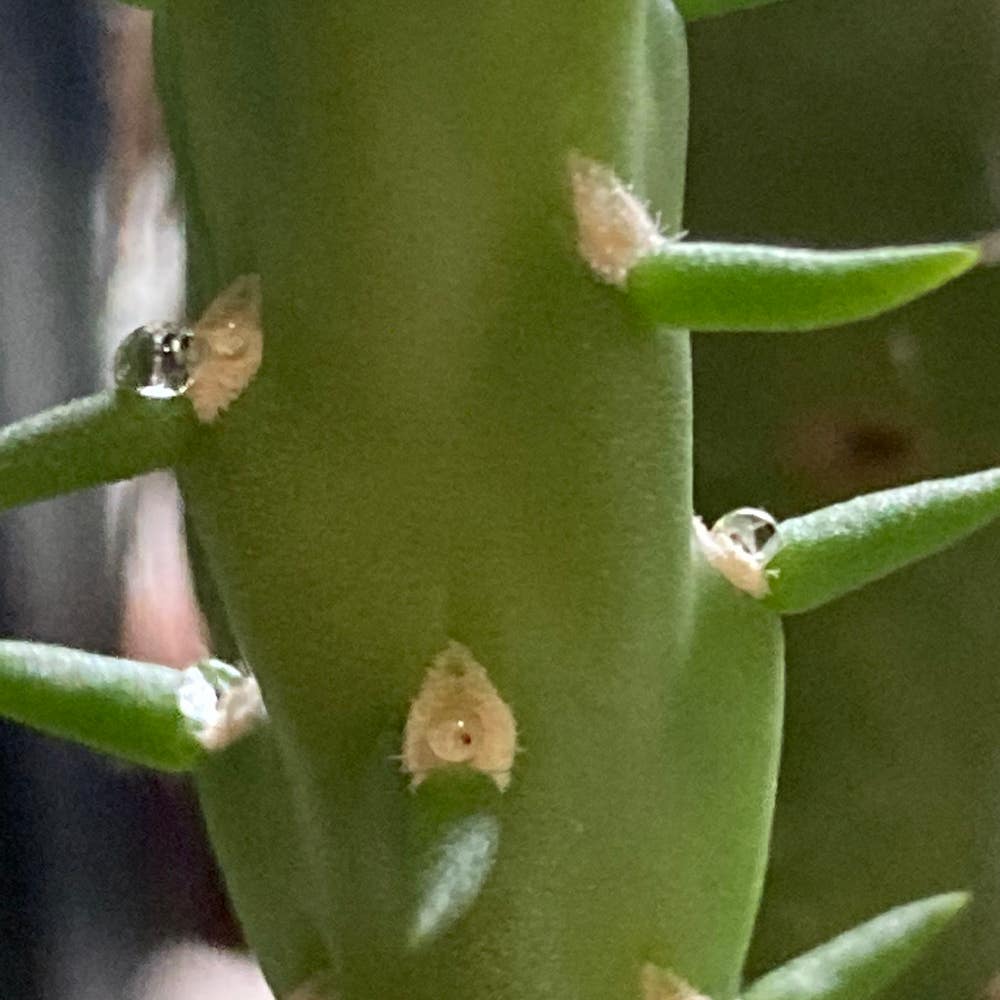
- The spines may serve as a cooling mechanism and protection from herbivores.
The role of Cylindropuntia bigelovii in pollination is a dance between self-sufficiency and ecological interdependence. While the plant is capable of self-pollination, cross-pollination is essential for genetic diversity and plant health. The bright colors and sweet fragrance of the flowers are nature's billboards, advertising nectar rewards to pollinators like bees and butterflies.
- Self-Pollination or Cross-Pollination Mechanisms
- Capable of self-pollination, ensuring reproductive success in isolated conditions.
- Cross-pollination by insects enhances genetic diversity, with bees and butterflies as primary pollinators.
Pollinator Attraction
Identifying the primary pollinators of Cylindropuntia bigelovii reveals a fascinating interplay between the plant's flower structure and the preferences of its pollinator species. Let's delve into who these vital players are and how the plant beckons them.
🐝 Identifying Primary Pollinators
- Bees, especially sweat bees (Agapostemon) and bumblebees (Bombus), are frequent visitors.
- Butterflies and syrphid flies also contribute to the pollination process.
- In non-native regions, hummingbirds may engage in pollination.
🌺 Attraction Strategies
Cylindropuntia bigelovii employs a range of strategies to lure these pollinators:
- Vivid flower colors and distinct petal arrangements act as visual beacons.
- Sweet floral scents serve as olfactory invitations.
- Nectar and pollen provide nutritional rewards.
- Some species offer unique incentives, such as nursery pollination, where flowers provide a habitat for pollinator larvae.
By understanding these dynamics, gardeners can better appreciate the ecological dance that ensures the plant's reproductive success.
Pollen Transfer
Pollen transfer in Cylindropuntia bigelovii is a marvel of nature's design, relying on a blend of wind and insect activity to ensure reproductive success. Let's delve into the specifics:
🌬️ Natural Pollination Mechanisms
- Wind: This cactus species has adapted to utilize the breeze as a courier for its pollen, a process known as anemophily. The lightweight and smooth pollen grains are perfectly crafted for air travel.
- Insect Vectors: The vibrant flowers of Cylindropuntia bigelovii are not just a visual treat but a hub for pollinator species. Bees and other insects are frequent visitors, drawn by the promise of nectar and inadvertently becoming agents of pollen transfer.
🌍 Ecological Significance
- Genetic Diversity: Cross-pollination, facilitated by these natural vectors, is more than a reproductive ritual. It's a genetic handshake that enhances the plant's adaptability and resilience, contributing to a robust gene pool.
- Plant Health: The exchange of genetic material isn't just about survival; it's about thriving. Healthy pollination cycles lead to vigorous plant growth and a bounty of seeds, ensuring the continuity of Cylindropuntia bigelovii for generations to come.
Hand Pollination Techniques
Hand pollination can be a game-changer for Cylindropuntia bigelovii, especially when natural pollinators are scarce or environmental conditions are less than ideal. Let's dive into the 'when' and 'why', followed by a simple guide to hand pollinating your plant.
🌸 When and Why to Hand Pollinate
- To ensure seed production in the absence of natural pollinators.
- To increase genetic diversity by cross-pollinating with different plants.
- When environmental factors, like low temperatures or high winds, hinder natural pollination.
🔍 Identifying Flower Parts
- Locate the stamens, the male parts of the flower, which carry the pollen.
- Identify the pistil, the female part of the flower, where pollen needs to be deposited for fertilization.
📝 Step-by-Step Hand Pollination Guide
- Collecting Pollen:
- Use a small brush or cotton swab to gently collect pollen grains from the stamens.
- Pollen Application and Fertilization:
- Carefully transfer the collected pollen to the pistil of the same or another flower.
- Repeat the process for multiple flowers to enhance the chances of successful fertilization.
Encouraging Pollinators
Creating a haven for pollinators is like setting the table for a feast; it's all about offering the right ambiance and nourishment. Here's how to roll out the welcome mat for these crucial garden guests.
🌺 Creating a Pollinator-Friendly Habitat
- Companion Planting: Mix it up! Plant a variety of flowering species that bloom at staggered times to provide a continuous buffet for pollinators.
- Include host plants for butterfly larvae, like milkweed for monarchs.
- Embrace native species—they're like comfort food for local pollinators and often require less maintenance.
- Add some flowering cover crops, such as clover or buckwheat, to enrich the soil and double as a food source.
- Keep it organic by minimizing pesticide use, or opt for bee-friendly alternatives.
🌸 Seasonal Considerations
- Timing is Everything: Sync your garden's peak bloom times with the active periods of local pollinators.
- Spring blossoms cater to the early risers like bees and butterflies emerging from hibernation.
- Summer flowers should sustain the mid-season buzz, ensuring that pollinators stick around.
- Don't forget about late bloomers! Autumn flowers help pollinators stock up for the cooler months.
By tuning into the rhythm of the seasons and diversifying your garden's offerings, you'll not only support Cylindropuntia bigelovii pollination but also contribute to the health of the entire pollinator community.
Overcoming Pollination Barriers
Cylindropuntia bigelovii, like many plants, can encounter obstacles to successful pollination. Let's explore these challenges and how to tackle them.
🌸 Common Pollination Challenges
- Environmental factors such as extreme temperatures and inconsistent watering can stress plants, leading to reduced flower viability.
- Pollinator scarcity, often a result of uninviting habitats or pesticide use, can impede natural pollination processes.
🛠️ Practical Solutions
🌿 Environmental Adaptation
- Create microclimates using shade cloth or windbreaks to mitigate temperature extremes.
- Establish a consistent watering routine that adjusts for seasonal changes to maintain optimal moisture levels.
🐝 Attracting Pollinators
- Cultivate a variety of flowering plants with staggered blooming periods to ensure a continuous food source for pollinators.
- Minimize pesticide use, opting for organic pest control methods to protect pollinator species.
- Encourage pollinator diversity by providing a range of floral traits and rewards, catering to different pollinator preferences.
By implementing these strategies, gardeners can enhance the pollination success of Cylindropuntia bigelovii, ensuring its vibrant growth and reproduction.
⚠️ Safety First
This content is for general information and may contain errors, omissions, or outdated details. It is not medical, veterinary advice, or an endorsement of therapeutic claims.
Always consult a qualified healthcare professional before using any plant as food, medicine, or supplement.
Never eat any plant (or feed one to pets) without confirming its identity with at least two trusted sources.
If you suspect poisoning, call Poison Control (800) 222-1222, the Pet Poison Helpline (800) 213-6680, or your local emergency service immediately.
Spotted an error? Please report it here.
Boost your Cylindropuntia bigelovii's 🌵 pollination success with Greg's tailored care reminders and tips for attracting the perfect pollinators!