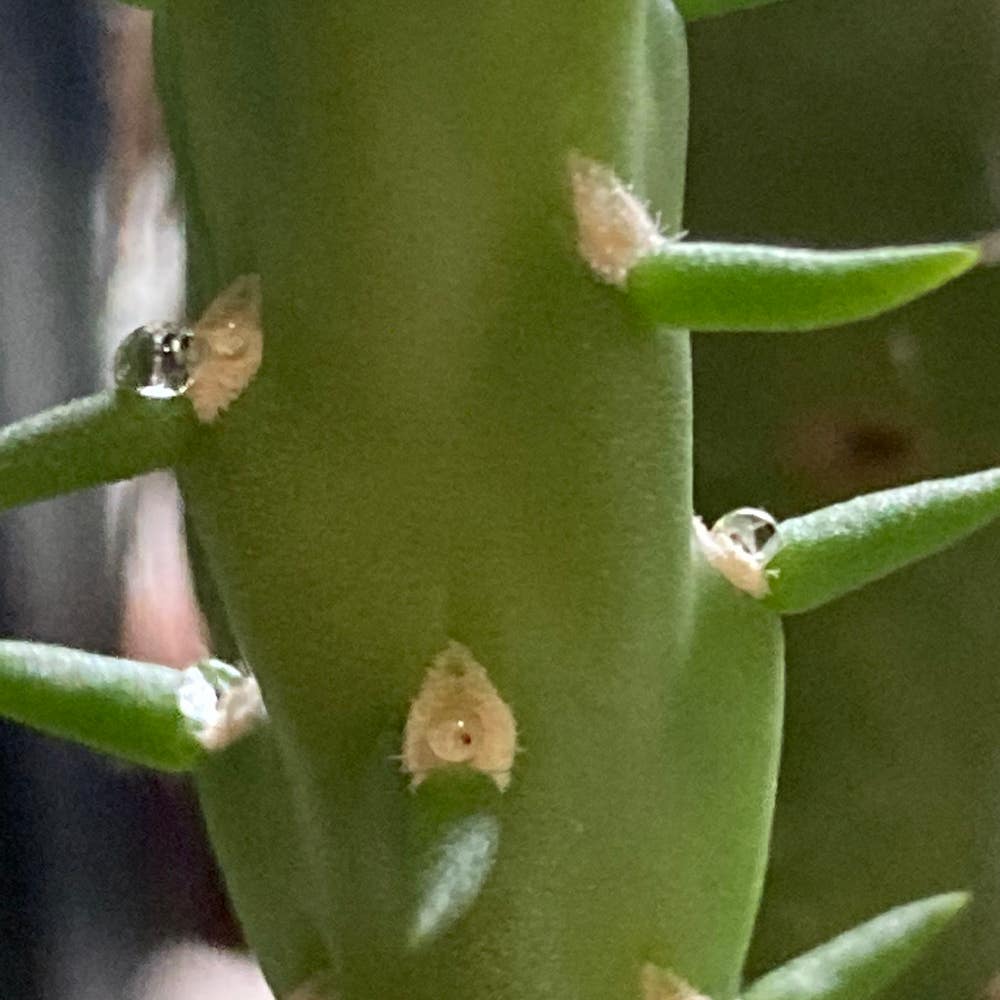
🌵 Cylindropuntia bigelovii Fertilizer: How and When to Use It
Cylindropuntia bigelovii
By the Greg Editorial Team
Jul 28, 2024•5 min read
This article was created with the help of AI so we can cover more plants for you. May contain errors. See one? Report it here.
Boost your Teddy Bear Cholla's 🌵 blooms, not burns, with our tailored fertilization guide.
- Fertilize for growth and blooms, understanding key nutrients for Cylindropuntia bigelovii.
- Choose fertilizers with ideal NPK ratio, considering micronutrient needs.
- Apply seasonally, in growth phases, to ensure optimal health and avoid over-fertilization.
Fertilizer Basics for Teddy Bear Cholla
- Fertilizer plays a pivotal role in supporting the sparse yet vital growth and blooming phases of the plant.
- The key nutrients for Cylindropuntia bigelovii are nitrogen (N), phosphorus (P), and potassium (K), with phosphorus being particularly important for flowering.
A balanced approach to fertilization, with a focus on low nitrogen content, aligns with the plant's natural habitat. Over-fertilization can be detrimental, so it's essential to get the quantity and frequency just right.
- Opt for a water-soluble fertilizer with a low NPK ratio, such as 5-10-5, to avoid overwhelming the plant.
- Fertilize sparingly, about once a year during the spring growth season, to coincide with the plant's natural growth cycle.
Selecting the Right Fertilizer
When it comes to nourishing your Teddy Bear Cholla, the right fertilizer can be the difference between just surviving and truly thriving. You'll want to hunt down a product that boasts a balanced NPK ratio, particularly one with a lower nitrogen component to prevent excessive vegetative growth at the expense of blooms.
- Look for an NPK ratio that supports sturdy stem development and vibrant flowering. A lower nitrogen count is key.
- Consider fertilizers with a composition similar to 3-6-1.2-1.8, which indicates percentages of nitrogen, phosphorus, and potassium, respectively.
Micronutrients are the silent champions of your cactus's health. They play crucial roles in various plant processes, even though they're required in smaller amounts compared to macronutrients.
- Ensure the fertilizer includes essential trace nutrients like calcium and magnesium.
- These micronutrients are vital for strengthening cell walls and enhancing the plant's overall vigor.
Choosing between liquid and granular fertilizers isn't just a coin toss. It's about matching the product to your plant's specific needs.
- Liquid fertilizers are generally easier to apply and can be more quickly absorbed by the plant.
- Granular options, on the other hand, release nutrients slowly over time, which can be beneficial for consistent feeding.
Remember, the goal is robust health and the kind of blooms that make a statement. So, take your time to select a fertilizer that's tailored to the unique dietary needs of your Cylindropuntia bigelovii.
Timing Fertilizer Application
Identifying Growth Phases of Cylindropuntia bigelovii
Cylindropuntia bigelovii, also known as the Teddy Bear Cholla, experiences active growth during the warmer months. This period typically spans from spring to early summer.
During these months, the plant is expanding and may even bloom, making it the ideal time to provide additional nutrients through fertilization.
🌱 Seasonal Fertilization: When to Apply for Optimal Health
To align with the plant's growth phases, apply fertilizer as follows:
- Spring: Begin fertilizing as the temperatures start to rise and the plant shows signs of new growth. This kick-starts the season, providing the nutrients needed for the growth spurt.
- Summer: Continue with regular monthly applications to support ongoing growth and any potential blooming.
- Late Summer to Early Fall: Start to reduce the frequency of fertilization as the plant prepares to enter dormancy.
- Winter: Avoid fertilizing during the colder months when the plant is dormant. Extra nutrients can do more harm than good during this rest period.
Remember, consistency is key. Regular, appropriate fertilization during the active growth phase can lead to a healthier, more robust Cylindropuntia bigelovii.
Applying Fertilizer Correctly
Fertilizing your Teddy Bear Cholla isn't complicated, but it does require precision. Here's how to do it right.
Step-by-Step Guide to Fertilizing Cylindropuntia bigelovii
- Water your cactus before fertilizing to prevent nutrient burn.
- Don gloves for safety, especially when handling chemical fertilizers.
- Prepare a diluted fertilizer solution, aiming for half the strength recommended on the package.
- Pour the solution onto the soil around the base of the plant, avoiding the stem and spines.
- Follow up with a light watering to help the nutrients disperse evenly in the soil.
🌵 Dosage and Frequency: How Much and How Often
- During the growing season, fertilize once every 4-6 weeks.
- Use a balanced, water-soluble fertilizer with an NPK ratio suitable for cacti.
- Cease fertilization in the winter months when the plant is dormant.
- Always adhere to the specific dosage instructions provided on the fertilizer label.
Remember, less is more when it comes to fertilizing Cylindropuntia bigelovii. Overdoing it can lead to problems like leaf burn, so it's crucial to monitor your plant and adjust as needed.
Recognizing Fertilization Success and Issues
Signs of successful fertilization in Cylindropuntia bigelovii are not always obvious, but they're there if you know where to look. A thriving plant will display:
- Enhanced growth rate with robust, green stems.
- Increased frequency and vibrancy of blooms.
- New spines that are sharp and well-formed.
Detecting and addressing over-fertilization requires a keen eye and quick action. Symptoms to watch for include:
- A white, crusty layer of salt on the soil surface.
- Leaf discoloration, such as yellowing or browning at the tips.
- Stunted growth or a general appearance of distress.
If you suspect over-fertilization:
- Flush the soil with water to remove excess minerals.
- Prune damaged areas to help the plant recover.
- Reduce fertilizer application and ensure proper drainage to prevent future issues.
By staying observant and responsive, you can keep your Teddy Bear Cholla healthy and avoid the pitfalls of over-fertilization.
⚠️ Safety First
This content is for general information and may contain errors, omissions, or outdated details. It is not medical, veterinary advice, or an endorsement of therapeutic claims.
Always consult a qualified healthcare professional before using any plant as food, medicine, or supplement.
Never eat any plant (or feed one to pets) without confirming its identity with at least two trusted sources.
If you suspect poisoning, call Poison Control (800) 222-1222, the Pet Poison Helpline (800) 213-6680, or your local emergency service immediately.
Spotted an error? Please report it here.
Boost your Teddy Bear Cholla's growth 🌵 with Greg's personalized fertilizing reminders, ensuring your spiky companion never misses a nutrient boost!