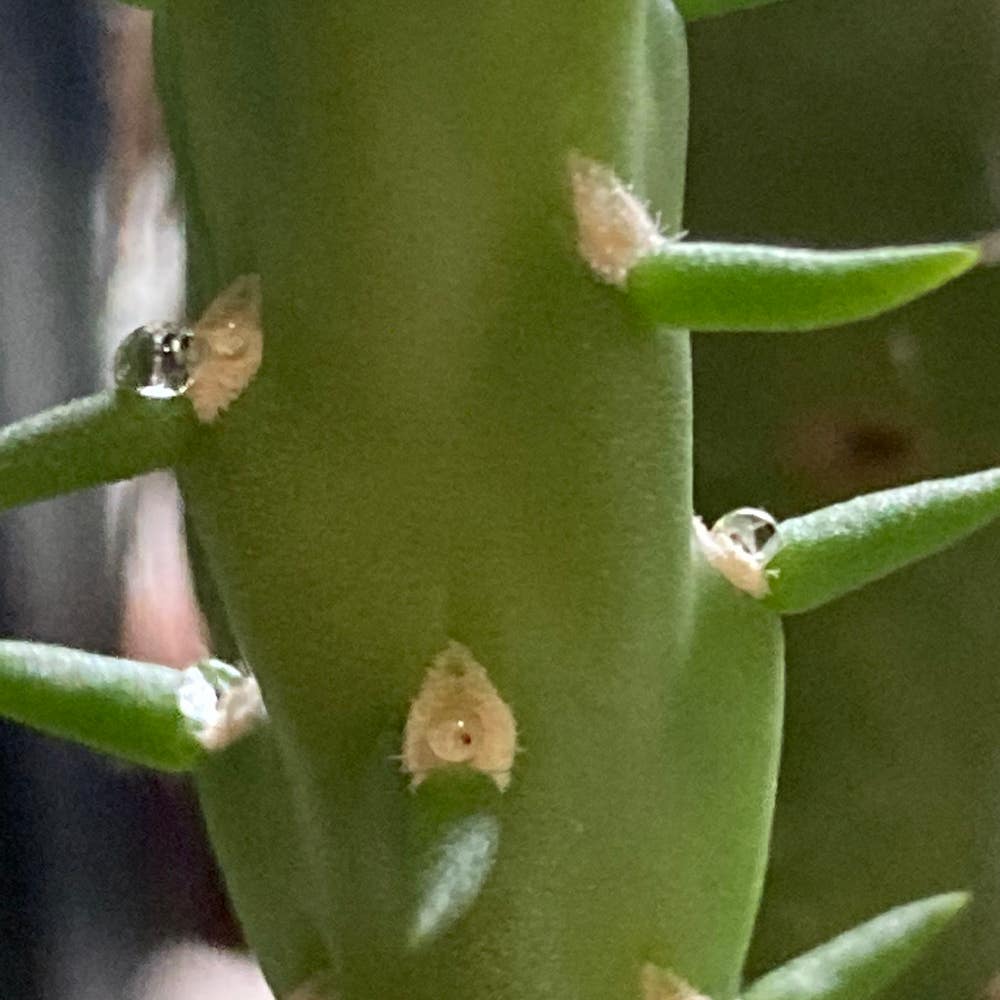
🌵 5 Essential Steps to Grow Healthy Teddy Bear Cholla
Cylindropuntia bigelovii
By the Greg Editorial Team
Jul 28, 2024•5 min read
This article was created with the help of AI so we can cover more plants for you. May contain errors. See one? Report it here.
Nurture your own desert marvel 🌵 with expert tips on Teddy Bear Cholla care and cultivation!
- 🌵 Sunlight and temperature are key; aim for 70°F to 90°F and morning/late afternoon sun.
- 💧 Water deeply, let soil dry out to prevent overwatering and root rot.
- ✂️ Prune in spring/fall with sterilized tools for health and shape.
Site and Soil Setup
🌵 Choosing the Right Location
Teddy Bear Cholla thrives in an environment that closely mimics its native desert conditions. Here's how to ensure your chosen spot will help your cactus flourish:
- Aim for a location that receives morning or late afternoon sunlight, avoiding the intense midday rays.
- Ideal temperatures range from 70°F to 90°F (21°C to 32°C), with cooler temperatures at night.
- Monitor the sun's path as seasons change to maintain the right light exposure.
- Protect your Cholla from extreme weather by choosing a spot with natural or artificial shelter.
🏜️ Soil Preparation
The right soil mix is critical for Teddy Bear Cholla's health. Here's what you need to know to prepare the perfect home for your plant:
- Use a fast-draining soil mix, ideally half sand or grit to prevent water retention.
- Amend heavy clay soils with sand or grit to improve drainage.
- Consider a raised bed or mound if drainage is a concern in your garden.
- For container cultivation, select a pot with drainage holes and use a sandy, porous soil mix.
Planting Techniques
🌵 Ground Planting
Ground planting your Teddy Bear Cholla begins with understanding its space and depth needs. Here's how to get it right:
- Select a sunny spot with well-draining soil, mimicking the cholla's natural desert habitat.
- Dig a hole as deep as the root ball and twice as wide, ensuring the plant has ample room to establish itself.
- Gently place the cholla in the hole, keeping it at the same depth it was in the container to avoid stem rot.
- Backfill the hole with a mix of native soil and sand for improved drainage, tamping down lightly to eliminate air pockets.
- Space multiple plants about 6 to 10 feet apart, as they tend to spread and form colonies over time.
🌵 Container Cultivation
Growing Teddy Bear Cholla in containers offers flexibility and control. Follow these tips for thriving plants:
- Choose a container with drainage holes to prevent water accumulation and root rot.
- Fill the pot with a well-draining cactus mix, or create your own with equal parts sand, perlite, and peat moss.
- Plant the cholla at the same depth it was in its original container, ensuring the base is not buried too deep.
- Place the container in a bright location with indirect sunlight to simulate the cholla's preferred environment.
- Remember, containers dry out faster than ground soil, so monitor moisture levels closely and adjust your watering routine accordingly.
Watering and Feeding
💧 Watering Requirements
- Establishing a watering routine for Teddy Bear Cholla is all about balance. Water deeply to encourage root growth, but allow the soil to dry out completely between sessions.
- Watch for signs of distress:
- Overwatering: Soggy stems, foul smell, yellowing leaves, and swollen stems that detach easily.
- Dehydration: Shriveled segments, soil pulling away from the pot's edge, dry and brittle leaves.
🌿 Fertilizing Practices
- Fertilize your Teddy Bear Cholla sparingly; a balanced, water-soluble fertilizer at half-strength monthly during the growing season is sufficient.
- Recommended fertilizers:
- A balanced 10-10-10 fertilizer diluted to half strength.
- Cactus-specific fertilizers, which are formulated to support growth without overwhelming the plant.
Pruning and Maintenance
✂️ Pruning Techniques
Pruning your Teddy Bear Cholla is less about beautification and more about health. Here's how to keep your cactus in top shape:
- When to Prune: Spring and fall are your go-to seasons, aligning with the plant's growth cycles. Avoid winter to prevent disrupting its rest period.
- How to Prune: Use sterilized, sharp tools to remove dead or damaged segments, aiming to maintain the plant's natural silhouette. Make clean cuts without leaving stubs to deter pests and diseases.
- Post-Pruning Care: No need for wound dressings; this resilient plant heals well on its own. Monitor for new growth as a sign of recovery.
🔄 Ongoing Care Routine
Consistent monitoring and seasonal adjustments are key to a healthy Teddy Bear Cholla:
- Pest and Disease Checks: Stay vigilant for mealybugs and treat with alcohol if necessary. Early detection is crucial to prevent spread.
- Seasonal Adjustments: Adapt your care routine with the changing seasons. Ensure the soil is healthy and consider the plant's watering needs, especially as the blooming season approaches.
Remember, a little effort in maintenance can lead to a thriving, blooming Teddy Bear Cholla.
Troubleshooting Challenges
🌵 Overcoming Growth Obstacles
Teddy Bear Cholla, like any plant, can face a few hurdles. Let's dive into how to identify and fix common issues such as root rot, sunburn, and pest problems.
🌱 Identifying and Treating Root Rot
- Check for soft, brown roots—this is a telltale sign of root rot.
- Improve drainage immediately; consider a grittier soil mix or adding perlite.
- Trim away the affected roots and repot in fresh, well-draining soil.
- Water judiciously, allowing the soil to dry out between watering sessions.
☀️ Managing Sunburn
- Look for bleached or crispy areas on the plant's skin, indicative of too much sun.
- Relocate your Teddy Bear Cholla to a spot with filtered sunlight, especially during the hottest part of the day.
- Gradually reintroduce it to more sunlight to avoid shock and acclimate it to brighter conditions.
🐜 Dealing with Pests
- Regularly inspect for pests like mealybugs and spider mites, which can lurk in the nooks of your plant.
- Use insecticidal soap or neem oil to treat infestations, applying as directed on the product label.
- Keep an eye out for recurring issues and address them promptly to prevent spread.
⚠️ Safety First
This content is for general information and may contain errors, omissions, or outdated details. It is not medical, veterinary advice, or an endorsement of therapeutic claims.
Always consult a qualified healthcare professional before using any plant as food, medicine, or supplement.
Never eat any plant (or feed one to pets) without confirming its identity with at least two trusted sources.
If you suspect poisoning, call Poison Control (800) 222-1222, the Pet Poison Helpline (800) 213-6680, or your local emergency service immediately.
Spotted an error? Please report it here.
Ensure your Teddy Bear Cholla grows vigorously 🌵 with Greg's personalized care reminders, tailored to each of these 5 essential steps for a thriving desert beauty!