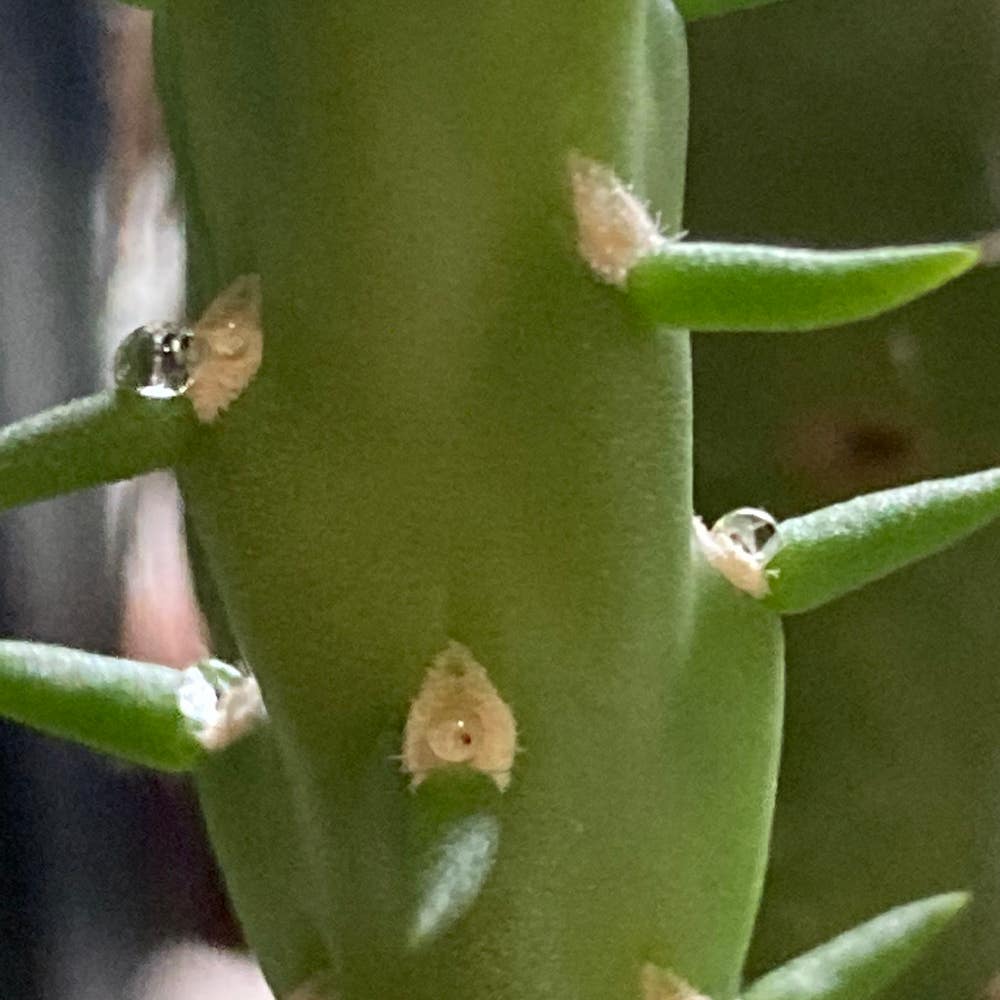
🌵 9 Secrets to Thriving Indoor Cylindropuntia bigelovii
Cylindropuntia bigelovii
By the Greg Editorial Team
Jul 28, 2024•5 min read
This article was created with the help of AI so we can cover more plants for you. May contain errors. See one? Report it here.
Elevate your space with a thriving Cylindropuntia bigelovii, using our expert care guide. 🌵
- 🌵 Bright, indirect light is key for Cylindropuntia bigelovii's desert-like needs.
- 💧 Water wisely: Seasonal adjustments and moisture checks prevent over/under-watering.
- 🌡️ Maintain 70°F-85°F and low humidity to mimic its natural habitat for thriving growth.
Optimal Lighting
💡 Achieving Bright Conditions
Cylindropuntia bigelovii thrives in bright, indirect light, much like its natural desert habitat. This lighting mimics the plant's sweet spot, allowing it to flourish without the risk of sunburn.
- Place near a south-facing window for the best exposure, but avoid direct sunlight.
- Rotate your plant periodically to ensure even light distribution.
💡 Supplementing with Grow Lights
Grow lights can be a game-changer, especially during shorter days or in less sunny spaces.
- Use grow lights when natural light is insufficient, aiming for 12-14 hours of light per day.
- Position the grow light about 10-12 inches from the plant to prevent overheating.
Choosing the right grow light involves several considerations:
- Opt for LED or fluorescent grow lights for energy efficiency and longevity.
- Ensure the light provides a full spectrum to cater to all stages of plant growth.
- Use a timer to maintain a consistent lighting schedule.
Watering Techniques
💧 Identifying Water Needs
Watering your Cylindropuntia bigelovii isn't about sticking to a strict schedule; it's about understanding its unique thirst cues. Here's how to get it right:
- Observe your plant for signs of thirst, like droopy or dull leaves, and check the soil's dryness with a finger test.
- Yellowing leaves or a soft stem are red flags for overwatering, so always verify soil moisture before adding more water.
🌦️ Seasonal Watering Adjustments
Your Cylindropuntia bigelovii's watering needs will change with the seasons, just like your wardrobe does. Keep these tips in mind:
- Increase watering during warm, growth-promoting months, and dial it back when the plant enters its winter rest period.
- Stay attuned to indoor heating and cooling, which can alter the plant's hydration needs, and adjust your routine accordingly.
Humidity and Temperature Control
Managing Indoor Humidity 🏜️
Cylindropuntia bigelovii thrives in arid conditions, so it's crucial to keep indoor humidity low. Here's how to manage it:
- Use a hygrometer to monitor humidity levels, aiming for 10% – 40% to mimic desert conditions.
- Avoid placing your cactus in high-humidity areas like bathrooms or kitchens.
- Consider using a dehumidifier if you live in a particularly moist climate or during damp seasons.
Maintaining Ideal Temperatures 🌡️
Keeping your Cylindropuntia bigelovii warm is key to its health. Follow these tips to maintain the ideal temperature range:
- Aim for room temperatures between 70°F-85°F (21°C-29°C), which is the sweet spot for this desert dweller.
- Keep the plant away from drafts, air conditioning vents, and heaters to prevent sudden temperature fluctuations.
- During colder months, ensure the temperature doesn't drop below 65°F (18°C) to avoid cold stress.
Fertilization and Nutrition
💡 Selecting Fertilizers
Choosing the right fertilizer for your Cylindropuntia bigelovii is crucial for its growth and vitality. Here's what you need to know:
- Balanced Fertilizer: A balanced blend of nitrogen, phosphorus, and potassium (N-P-K) supports overall health.
- Micronutrients: Don't forget calcium and magnesium, which are vital for cell structure and photosynthesis.
- Organic Options: These are gentle on the environment and release nutrients slowly, promoting a healthy soil ecosystem.
- Liquid Fertilizers: Diluted solutions can prevent nutrient burn and are easy for the plant to absorb.
Remember, moderation is key—think of fertilizer as a spice, not the main ingredient.
🌿 Fertilization Schedule
Timing your fertilization is just as important as the type you use. Stick to this schedule for best results:
- Growing Season (Spring/Summer): Fertilize every 4-6 weeks when the plant is actively growing.
- Dormant Season (Fall/Winter): Reduce fertilization or stop altogether as growth slows down.
By following these guidelines, you'll give your Cylindropuntia bigelovii the nutrients it needs without overdoing it.
Pest Prevention and Health
🐛 Identifying Common Pests
Cylindropuntia bigelovii, like any indoor plant, can fall prey to pests that threaten its health. Vigilance is key; regular checks can catch issues before they escalate.
- Look for signs such as unusual spots on leaves, webbing, or visible insects.
- Common pests include aphids, spider mites, and mealybugs.
🩺 Disease Management
Keeping your Cylindropuntia bigelovii disease-free starts with prevention. A strong plant is less susceptible to illness, so proper care is fundamental.
- Ensure good air circulation and avoid overwatering to prevent fungal diseases.
- Isolate new plants before introducing them to your collection to avoid cross-contamination.
- Use insecticidal soap or neem oil as a first line of defense against pests.
- Sterilize tools and pots to prevent the spread of disease.
Home Placement and Aesthetics
Choosing the Perfect Spot
Finding the ideal location for your Cylindropuntia bigelovii is about balancing aesthetics with the plant's needs. Here's what to keep in mind:
- Light: Bright, indirect light is key. Avoid spots with harsh sunlight that can scorch the plant.
- Space: Ensure there's enough room for growth, considering both height and spread.
- Style: Select a spot that complements your home's decor. A well-placed plant can serve as a living sculpture, enhancing your space.
- Observation: Position the plant where you can easily monitor its health and catch any issues early.
✂️ Pruning and Grooming
Regular grooming keeps your Cylindropuntia bigelovii looking sharp and healthy:
- Pruning: Trim overgrown areas to maintain shape and encourage new growth. Use clean, sharp tools to avoid damage.
- Cleaning: Dust the plant with a soft brush or damp cloth to keep it looking fresh and to help it breathe better.
- Support: Sparse areas can be encouraged to fill in with gentle guidance, using supports if necessary.
⚠️ Safety First
This content is for general information and may contain errors, omissions, or outdated details. It is not medical, veterinary advice, or an endorsement of therapeutic claims.
Always consult a qualified healthcare professional before using any plant as food, medicine, or supplement.
Never eat any plant (or feed one to pets) without confirming its identity with at least two trusted sources.
If you suspect poisoning, call Poison Control (800) 222-1222, the Pet Poison Helpline (800) 213-6680, or your local emergency service immediately.
Spotted an error? Please report it here.
Ensure your Cylindropuntia bigelovii flourishes 🌵 with Greg's custom light and watering plans, tailored to your home's unique environment.