🌵 Common Cylindropuntia bigelovii Problems and Solutions
Cylindropuntia bigelovii
By the Greg Editorial Team
Jul 28, 2024•7 min read
This article was created with the help of AI so we can cover more plants for you. May contain errors. See one? Report it here.
Spot early SOS from your cactus 🌵 and keep it thriving with these essential care tips!
- 🌵 Early detection is key to addressing Cylindropuntia bigelovii's discoloration and growth issues.
- 💧☀️ Water and light balance prevent overwatering and scorching, ensuring plant health.
- 📱 Use Greg app for proactive care and creating an optimal plant environment.
Spotting Trouble Signs
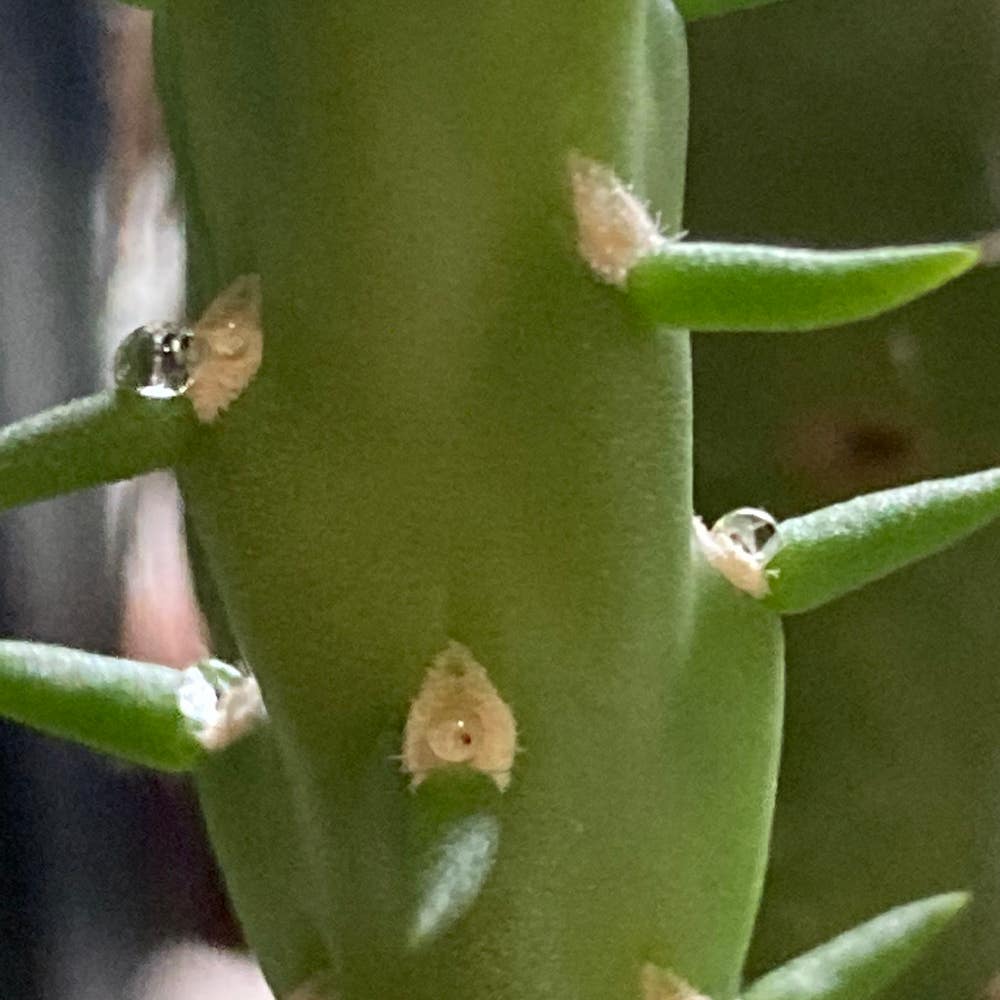
Cylindropuntia bigelovii, with its distinctive spiky silhouette, can sometimes send subtle SOS signals that are easy to miss. Discoloration or a shift in growth patterns can be early distress calls from your desert dweller.
- Discoloration: Keep an eye out for any changes in color, from vibrant greens to dull, yellowish hues. This could indicate watering issues or nutrient deficiencies.
- Unusual Growth Patterns: If your cactus starts to grow in an odd direction or the segments appear misshapen, it might be a sign of inadequate light or pest troubles.
Early detection plays a pivotal role in plant care. Spotting these signs promptly can mean the difference between a simple remedy and a complex rescue mission.
Watering Woes
Watering is a delicate balance, and Cylindropuntia bigelovii is no exception. Let's dive into the signs and solutions for overwatering and underwatering this desert native.
💧 Overwatering
- Yellowing leaves and a general sense of plant malaise might signal too much water.
- Soggy soil and a musty odor are telltale signs of overwatering.
- Root rot could be the culprit if the roots are mushy or discolored.
To rescue an overwatered Cylindropuntia bigelovii:
- Stop watering and let the soil dry out completely.
- Repot with fresh, well-draining soil and ensure the pot has drainage holes.
- Trim any damaged roots to prevent the spread of rot.
- Adjust your watering schedule, using the Greg app to track and remind you when it's time to water again.
💦 Underwatering
- Look for wilted or dry leaves and stems that droop more than a teenager on a Monday morning.
- The soil should feel dry, not just on the surface but a couple of inches deep.
To bring back an underwatered Cylindropuntia bigelovii:
- Give it a thorough watering, allowing water to reach the root zone.
- Monitor the soil moisture going forward; when the top inch is dry, it's time to water again.
- Consider the plant's environment; if it's particularly hot or dry, increase watering frequency.
Remember, consistency is key. Use the Greg app to help maintain a regular watering schedule and prevent future woes.
Light and Temperature
Cylindropuntia bigelovii thrives in a delicate balance of light and warmth, but when that balance is off, the signs are unmistakable.
💡 Light Issues
- Scorching: Brown or black spots on the plant indicate too much direct sunlight. To prevent further damage, provide dappled sunlight or shade during peak hours.
- Etiolation: A stretched-out appearance signals insufficient light. Gradually move your cactus to a brighter location, or consider using grow lights.
🌡️ Temperature Stress
- Heat Stress: Wilting or slow growth during hot spells means your plant is overheating. Ensure good air circulation and consider temporary shading.
- Cold Stress: Discoloration and sluggish growth can occur in cold temperatures. Keep your cactus away from drafty windows and maintain a consistent indoor temperature.
By monitoring these factors and adjusting the plant's environment, you can prevent light and temperature stress, keeping your Cylindropuntia bigelovii healthy and vibrant.
Pests and Diseases
Cylindropuntia bigelovii, while hardy, isn't immune to the advances of pests and diseases. Here's how to keep your spiny friend healthy.
🦟 Combatting Pests
Common invaders include:
- Aphids
- Spider mites
- Mealybugs
- Scale insects
To detect these pests, look for:
- Visible insects or webs
- Sticky residue or honeydew on leaves
- Distorted or yellowing foliage
Eradication methods:
- Isolate the affected plant to prevent spread.
- Use insecticidal soap or neem oil for a gentle yet effective treatment.
- Introduce beneficial insects like ladybugs as a biological control method.
🍄 Fungal Foes
Be on the lookout for:
- Powdery mildew
- Rust
Identifying these diseases:
- White, powdery spots indicate powdery mildew.
- Rust presents as orange or brown pustules on plant surfaces.
Treatment steps:
- Improve air circulation around your plants.
- Avoid overhead watering to keep leaves dry.
- Apply fungicides, opting for eco-friendly options like copper fungicides or Mycostop.
Prevention tips:
- Regularly inspect your Cylindropuntia bigelovii for early signs of trouble.
- Keep your gardening tools clean to prevent cross-contamination.
- Ensure optimal growing conditions by managing light levels and watering schedules with the help of the Greg plant care app.
Root and Stem Care
Root rot and stem issues can be a death sentence for Cylindropuntia bigelovii if not addressed promptly. Here's how to spot and fix these problems.
🦠 Root Rot: Diagnosis, Causes, and Recovery Steps
- Identifying Root Rot: Look for yellowing leaves, stunted growth, or a foul odor. Healthy roots are white and firm, while rotten ones are mushy and brown.
- Causes: Overwatering is the usual suspect, creating a breeding ground for fungi.
- Recovery Steps:
- Remove the plant from its pot and trim away all rotten roots until healthy tissue is visible.
- Disinfect your tools before and after use to prevent spreading the disease.
- Repot in fresh, well-draining soil and adjust your watering habits to prevent recurrence.
🌱 Stem Challenges: Addressing Yellowing, Leaning, and Other Issues
- Yellowing Stems: This could indicate root rot or nutrient deficiencies. Inspect the roots to determine the cause.
- Leaning Stems: Often a sign of inadequate light. Rotate your plant regularly and ensure it gets enough sunlight.
- Other Issues: If stems are soft or blackened, prune back to healthy tissue and consider a fungicide treatment if necessary.
Regular monitoring and the Greg plant care app can help you stay on top of these issues before they become severe. Remember, the key to a healthy Cylindropuntia bigelovii is prevention and early intervention.
Growth Guidance
Cylindropuntia bigelovii, like any plant, can sometimes grow in less than ideal ways. Let's tackle how to get it back on track.
🌱 Encouraging Healthy Growth
Leggy or etiolated growth in your Cylindropuntia bigelovii can be a sign of insufficient light. Here's how to encourage a more robust form:
- Increase light exposure by moving your plant to a sunnier spot or using grow lights.
- Prune strategically to promote bushier growth, cutting back to a main stem or node.
If your plant isn't fruiting, consider these adjustments:
- Ensure it's receiving enough light and the right temperature range, as both are crucial for flowering.
- Check if it's the right season for fruiting; some plants have specific blooming cycles.
- Be patient; sometimes plants need to reach a certain maturity before they start fruiting.
🌿 Nutrient Management
Nutrient deficiencies can manifest in various ways, including stunted growth and yellowing leaves. Here's how to correct this:
- Use a balanced fertilizer during the growing season, tapering off in winter.
- Look for signs of new growth, which indicate recovery from nutrient deficiencies.
- Avoid over-fertilization, which can harm your plant more than help it.
Remember, the key to lush, healthy growth is a combination of proper light, pruning, and nutrition. Keep a close eye on your Cylindropuntia bigelovii and adjust care as needed.
Proactive Plant Care
Regular inspections and smart technology can be game-changers in the world of plant care. By incorporating the Greg app into your routine, you can schedule watering and care with precision, ensuring your Cylindropuntia bigelovii stays in top condition.
- Preventive Practices:
- Perform weekly soil moisture checks; water when the top inch feels dry.
- Use the Greg app for reminders, tailored to your plant's needs.
- Inspect for pests and diseases during each care session.
Creating an optimal environment is not just about reacting to problems—it's about setting the stage for your Cylindropuntia bigelovii to thrive.
- Optimal Environment Tips:
- Soil: Use a well-draining mix to prevent waterlogging.
- Watering: Establish a consistent watering schedule, adjusting for seasonal changes.
- Light: Ensure your plant receives ample sunlight without risk of scorching.
⚠️ Safety First
This content is for general information and may contain errors, omissions, or outdated details. It is not medical, veterinary advice, or an endorsement of therapeutic claims.
Always consult a qualified healthcare professional before using any plant as food, medicine, or supplement.
Never eat any plant (or feed one to pets) without confirming its identity with at least two trusted sources.
If you suspect poisoning, call Poison Control (800) 222-1222, the Pet Poison Helpline (800) 213-6680, or your local emergency service immediately.
Spotted an error? Please report it here.
Ensure your Cylindropuntia bigelovii avoids common pitfalls 🌵 with Greg's tailored care plan, turning proactive measures into your plant's success story!