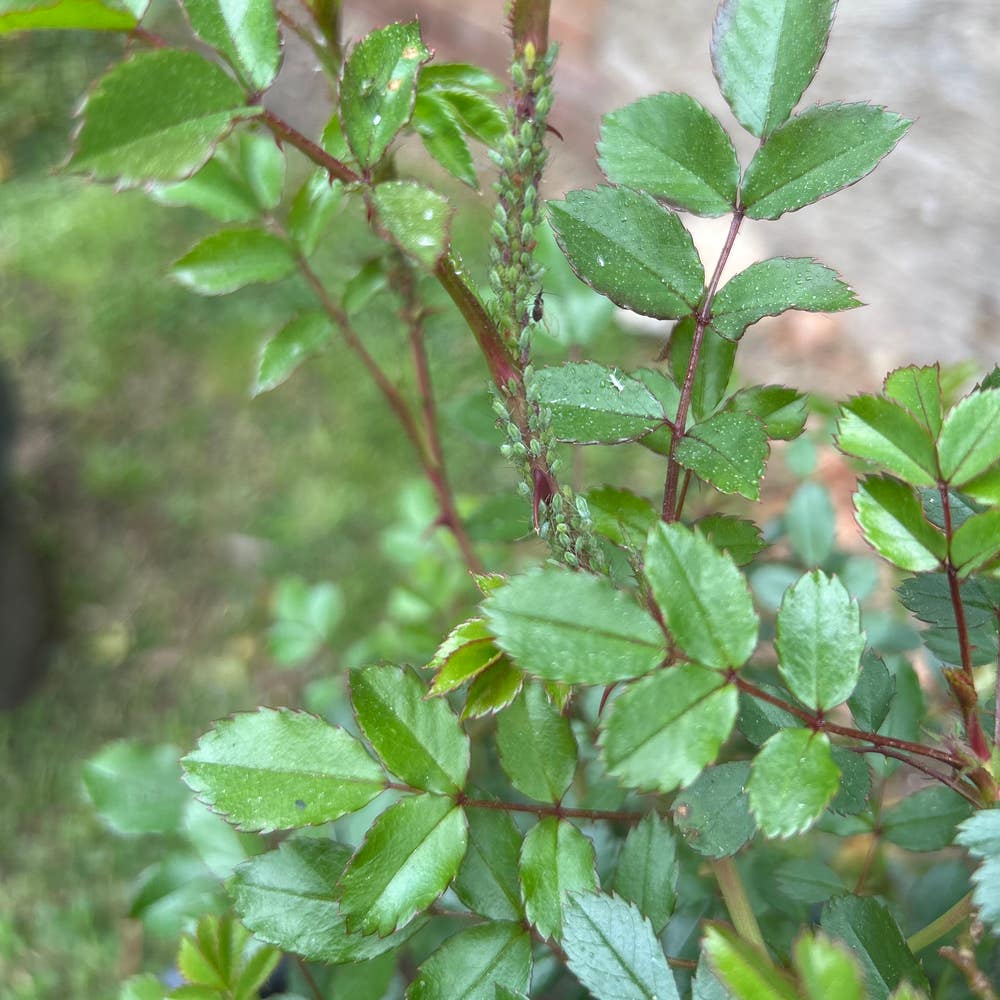
Best Humidity Levels for Rambling rose 🌹
Rosa spp.
By the Greg Editorial Team
Aug 10, 2024•4 min read
This article was created with the help of AI so we can cover more plants for you. May contain errors. See one? Report it here.
- 🌱 Ideal humidity for rambling roses is 50%-70% for optimal growth and blooming.
- 📊 Monitor local humidity with tools like hygrometers to tailor care effectively.
- 💧 Adjust watering and humidity based on seasonal changes to prevent stress and diseases.
Humidity Needs of Rambling Rose
🌱 Importance of Humidity for Growth
Humidity plays a crucial role in the growth of rambling roses. It directly influences photosynthesis and nutrient uptake, ensuring the plant thrives.
Moreover, adequate humidity impacts flowering and overall vigor. A well-hydrated rose is not just more beautiful; it’s also more resilient against diseases.
🌈 Ideal Humidity Range for Optimal Health
For optimal health, rambling roses thrive in relative humidity levels between 50% and 70%. This range supports frequent and high-quality blooming, making your garden a vibrant spectacle.
Seasonal variations can affect humidity needs. During the warmer months, roses may require more moisture, while cooler seasons might call for adjustments in care.
Local Humidity Considerations
Assessing Local Humidity Levels 🌧️
Understanding local humidity levels is crucial for the health of your rambling rose. You can measure humidity using tools like hygrometers or even handy weather apps that provide real-time data.
Knowing your local climate conditions helps you tailor care for your plants. This awareness allows you to make informed decisions about watering and humidity management.
Impact of Seasonal Changes on Humidity 🌦️
Humidity levels can vary significantly with the seasons. For instance, summer often brings higher humidity, while winter can dry things out, affecting your rose's health.
To adapt your care, monitor humidity changes throughout the year. Adjust watering schedules and humidity-boosting techniques based on these seasonal fluctuations to keep your rambling rose thriving.
Strategies for Managing Humidity
🌧️ Techniques for Boosting Humidity
Use of Humidity Trays
Humidity trays are shallow containers filled with water and pebbles. They work by evaporating moisture into the air, creating a more humid environment for your rambling rose.
To maximize their effectiveness, place the trays near your plants but avoid direct contact with the soil. Regularly refill the water to maintain consistent humidity levels.
Grouping Plants Together
Creating a microclimate is as simple as grouping your plants. When placed close together, they can share moisture and create a more humid atmosphere.
Aim for a spacing that allows for airflow while still keeping them cozy. This arrangement not only boosts humidity but also enhances the overall aesthetic of your garden.
Misting Techniques
Misting can be a quick way to increase humidity around your rambling rose. Aim to mist your plants early in the morning or late in the afternoon to avoid leaf burn.
However, be cautious with frequency. Over-misting can lead to fungal issues, so keep an eye on your plants and adjust as needed.
🌬️ Methods for Reducing Excess Humidity
Proper Air Circulation
Good airflow is essential in preventing mold and mildew. Ensure your rambling rose has enough space around it for air to circulate freely.
Consider using fans or placing your plants in well-ventilated areas. This simple step can make a significant difference in maintaining plant health.
Choosing the Right Potting Mix
Selecting the right potting mix is crucial for managing humidity levels. Look for mixes that promote drainage to prevent water from pooling around the roots.
Avoid overly moisture-retentive soils, as they can lead to root rot. A well-draining mix will help keep your rambling rose thriving.
Understanding how to manage humidity effectively can significantly enhance the health and beauty of your rambling rose. With the right techniques, you can create an ideal environment for your plants to flourish. Next, let’s explore common humidity-related issues and how to identify them.
Common Humidity-Related Issues
🌬️ Signs of Low Humidity Stress
When humidity levels drop, your rambling rose may show clear signs of distress. Look out for wilting leaves, browning leaf tips, and a noticeable reduction in flowering.
Long-term exposure to low humidity can severely impact plant health. It can lead to stunted growth and increased vulnerability to pests and diseases.
💧 Effects of High Humidity on Health
Excessive humidity poses its own set of risks for your rambling rose. Root rot and fungal diseases thrive in overly moist conditions, threatening the plant's vitality.
To mitigate these high humidity issues, consider implementing preventative measures. Ensure proper air circulation and avoid overwatering to keep your rose healthy and thriving.
Understanding these humidity-related issues is crucial for maintaining the health of your rambling rose. With the right care, you can create an environment that supports robust growth and beautiful blooms.
⚠️ Safety First
This content is for general information and may contain errors, omissions, or outdated details. It is not medical, veterinary advice, or an endorsement of therapeutic claims.
Always consult a qualified healthcare professional before using any plant as food, medicine, or supplement.
Never eat any plant (or feed one to pets) without confirming its identity with at least two trusted sources.
If you suspect poisoning, call Poison Control (800) 222-1222, the Pet Poison Helpline (800) 213-6680, or your local emergency service immediately.
Spotted an error? Please report it here.
Keep your rambling roses blooming beautifully by mastering their humidity needs 🌧️ with Greg's tailored tips and reminders for thriving plants!