🌹 What to Do About Dropping Leaves on Your Rambling rose
Rosa spp.
By the Greg Editorial Team
Aug 10, 2024•4 min read
This article was created with the help of AI so we can cover more plants for you. May contain errors. See one? Report it here.
- 🌿 Dropping leaves indicate stress from nutrient deficiencies or environmental factors.
- 💧 Monitor soil moisture to prevent overwatering and root rot in Rambling roses.
- 🌞 Prune and fertilize in spring for optimal growth and health of your rose.
Diagnosing Leaf Drop Issues
Identifying Symptoms 🌿
When your Rambling rose starts dropping leaves, the first step is to identify the symptoms. Yellowing leaves often signal stress or a nutrient deficiency, while browning edges typically indicate underwatering or environmental stress.
Timing also plays a crucial role. Expect increased leaf drop during extreme weather conditions, particularly in the transition between seasons.
Assessing Soil Conditions 🌱
Next, assess the soil conditions. Soil moisture levels are vital; soggy soil can indicate overwatering, leading to root rot, while dry soil suggests the plant is underwatered.
Soil composition matters too. Ensure your Rambling rose thrives in well-draining soil to promote healthy growth and prevent issues.
Checking for Pests 🐛
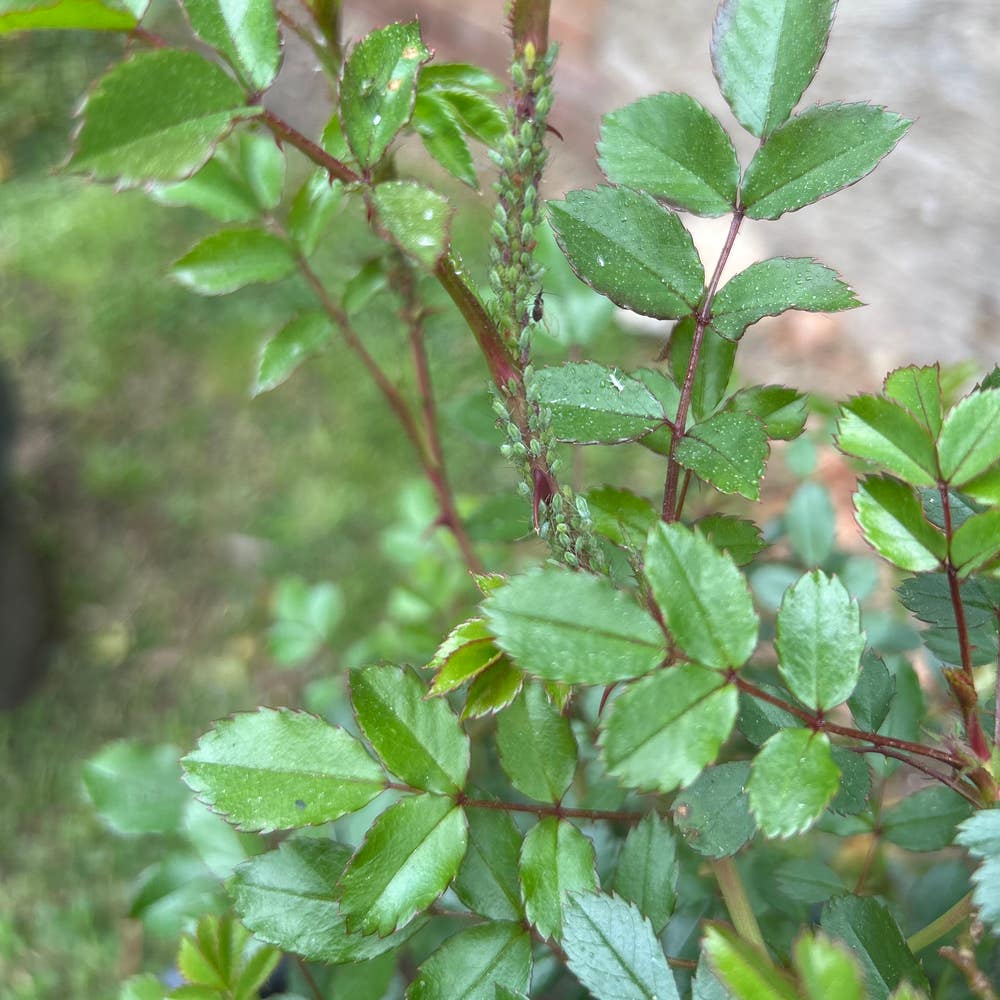
Pests can be a hidden culprit behind leaf drop. Regularly inspect the undersides of leaves for any signs of pests. A magnifying glass can help spot smaller pests like spider mites.
Keep an eye out for signs of infestation, such as sticky residue or visible pests on the leaves. Early detection can save your plant from further damage.
By diagnosing these issues, you can take the necessary steps to restore your Rambling rose to health. Next, let’s explore preventive measures to keep your plant thriving.
Preventive Measures
Proper Watering Techniques 🌊
Watering your Rambling rose properly is crucial for its health. Aim for deep watering once a week during dry spells, adjusting based on rainfall and temperature.
Ensure that your pots or garden beds have adequate drainage. This prevents root rot, which can be detrimental to your plant's well-being.
Soil Health and Fertilization 🌱
Soil testing is an essential step in maintaining your rose's health. Conduct tests to determine nutrient levels and pH, ensuring your plant gets what it needs.
Develop a fertilization schedule using balanced fertilizers during the growing season. Consider organic options like compost and well-rotted manure for a natural boost.
Pruning and Maintenance Practices ✂️
Pruning is vital for promoting healthy growth. The best time to prune is late winter or early spring, just before new growth begins.
Regular maintenance is equally important. Clean up fallen leaves to prevent disease spread and keep your garden looking tidy.
By following these preventive measures, you can help your Rambling rose thrive and reduce the risk of leaf drop. Next, let’s explore effective treatment options to address any issues that may arise.
Treatment Options
🌱 Organic Pest Control Methods
Pest management is crucial for the health of your Rambling rose. Natural remedies like neem oil are effective against common pests such as aphids and spider mites.
Insecticidal soap is another safe option for treating various pests without harming beneficial insects.
Encouraging Beneficial Insects
Creating a welcoming environment for beneficial insects can significantly reduce pest populations. Ladybugs and lacewings are excellent natural predators that help keep harmful pests in check.
🍄 Fungicide Application
When it comes to fungal issues, choosing the right fungicide is key. Organic options like sulfur-based or copper fungicides are effective and environmentally friendly.
For more severe infestations, chemical fungicides may be necessary. Always follow the recommended application methods to ensure safety and effectiveness.
Timing of Application
Timing is everything in pest and disease management. Apply fungicides early at the first sign of disease to prevent further spread and protect your plants.
🌿 Nutrient Supplementation
Nutrient deficiencies can weaken your Rambling rose, making it more susceptible to pests and diseases. Liquid fertilizers offer quick nutrient uptake, giving your plants an immediate boost.
For long-term health, consider using slow-release fertilizers. These provide a steady supply of nutrients over time, ensuring your rose thrives.
Application Methods
Always follow the package instructions for dosage and frequency when applying fertilizers. This ensures your plants receive the right amount of nutrients without the risk of over-fertilization.
With these treatment options, you can effectively manage pests, diseases, and nutrient deficiencies in your Rambling rose. Next, let’s explore seasonal considerations to keep your plant healthy year-round.
Seasonal Considerations
🌸 Spring Care Tips
Spring is the perfect time to prepare your Rambling rose for a vibrant growing season. Start by fertilizing and pruning to encourage robust new growth.
As the plants wake up, keep an eye out for pests. Regular monitoring can help catch any infestations early.
☀️ Summer Maintenance
During the hot summer months, adjust your watering routine. Increase frequency to keep your rose hydrated and thriving.
Consider providing afternoon shade to protect your plant from extreme heat. This small adjustment can make a big difference in its health.
🍂 Fall Preparations
As fall approaches, it's time to prepare your Rambling rose for dormancy. Conduct final pruning and clean up any debris to prevent disease.
Adding mulch around the base will help protect the roots during winter. This simple step can ensure your plant emerges healthy in the spring.
With these seasonal considerations, your Rambling rose will be well-equipped to thrive year-round. Next, let’s explore treatment options to address any issues that may arise.
⚠️ Safety First
This content is for general information and may contain errors, omissions, or outdated details. It is not medical, veterinary advice, or an endorsement of therapeutic claims.
Always consult a qualified healthcare professional before using any plant as food, medicine, or supplement.
Never eat any plant (or feed one to pets) without confirming its identity with at least two trusted sources.
If you suspect poisoning, call Poison Control (800) 222-1222, the Pet Poison Helpline (800) 213-6680, or your local emergency service immediately.
Spotted an error? Please report it here.
Keep your Rambling rose vibrant and leafy 🌿 by using Greg's tailored care reminders to master watering, soil health, and pest control for a flourishing garden!