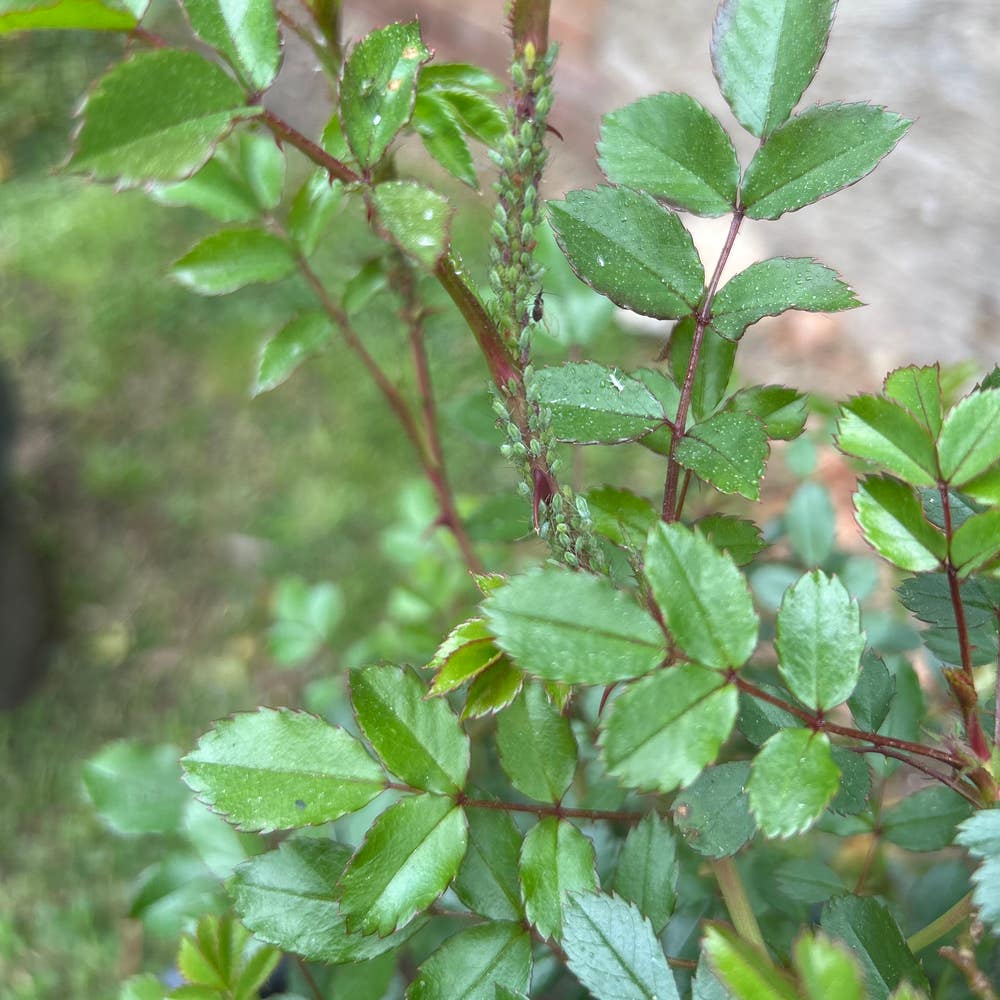
Optimal Temperature for Your Rambling rose 🌹
Rosa spp.
By the Greg Editorial Team
Aug 10, 2024•3 min read
This article was created with the help of AI so we can cover more plants for you. May contain errors. See one? Report it here.
- 🌡️ Heat and cold stress cause wilting, leaf drop, and stunted growth in rambling roses.
- 🏡 Choose sheltered locations to mitigate temperature stress and promote healthy growth.
- 🌱 Warm, well-draining soil is crucial for robust root systems and overall plant health.
Temperature Stress Symptoms
Signs of Heat Stress 🌞
Heat stress can be a real challenge for your rambling rose. Here are some key symptoms to watch for:
- Wilting: When leaves droop and lose turgor, it’s a clear sign your plant is struggling.
- Leaf Drop: Premature shedding of leaves can occur as the plant tries to conserve energy.
- Stunted Growth: Reduced vigor means less flowering potential, which is disappointing for any gardener.
- Discoloration: Keep an eye out for leaves turning yellow or brown; this indicates distress.
Signs of Cold Stress ❄️
Cold stress can be just as damaging, especially after frost. Look for these symptoms:
- Wilting: Similar to heat stress, wilting can happen when temperatures drop suddenly.
- Leaf Drop: Increased shedding during cold snaps is common, signaling that your plant is under duress.
- Stunted Growth: Slower growth rates in colder temperatures can hinder your rose's development.
- Blackened Tips: Frost exposure can cause damage to new growth, leaving tips looking burnt.
Recognizing these symptoms early can help you take action and protect your rambling rose from temperature stress. Understanding how your plant reacts to heat and cold will guide you in providing the best care possible.
Causes of Temperature Stress
🌡️ Environmental Factors
Temperature stress in rambling roses often stems from environmental factors.
Sudden temperature fluctuations can shock the plant, leading to visible distress. Rapid changes, whether hot or cold, disrupt the plant's ability to adapt.
Prolonged exposure to extreme temperatures also poses a significant threat. Both scorching heat and freezing cold can hinder growth and flowering.
Soil temperature is crucial for root health. Maintaining warm soil encourages robust root systems, which are essential for overall plant vitality.
📍 Impact of Location and Microclimates
Choosing the right location is vital for your rambling rose.
Site selection plays a key role in mitigating temperature stress. Sheltered spots can protect your plants from harsh conditions.
Microclimates are another important consideration. Nearby structures or trees can create warmer or cooler areas, influencing your rose's health.
Lastly, be aware of urban heat islands. In city environments, temperatures can rise significantly, impacting plant growth and resilience.
Understanding these factors can help you create a thriving environment for your rambling rose. Next, let’s explore how to mitigate temperature stress effectively.
Mitigating Temperature Stress
🛡️ Protective Measures for Extreme Temperatures
To protect your rambling rose from temperature extremes, consider using shade cloths during heat waves. These can help reduce direct sunlight exposure, keeping your plants cooler and more hydrated.
For winter protection, insulating materials like burlap or frost blankets can shield your roses from harsh cold. This simple step can prevent frost damage and ensure your plants survive the chill.
Strategic planting is another effective measure. Position your roses in locations that avoid direct exposure to harsh winds or intense sunlight. This thoughtful placement can significantly reduce temperature stress.
🌱 Best Practices for Planting in Temperature-Sensitive Areas
Timing is crucial when planting in temperature-sensitive areas. Aim to plant during the best seasons, typically spring or fall, to minimize stress from extreme temperatures.
Soil preparation is equally important. Ensure your soil is well-draining and warm, as this promotes healthy root growth. Healthy roots are essential for your roses to thrive.
Finally, monitor local weather patterns. Stay informed about forecasts to adjust your care accordingly. This proactive approach can help you respond to sudden temperature changes effectively.
By implementing these protective measures and best practices, you can create a nurturing environment for your rambling rose, ensuring it flourishes despite temperature challenges. Next, let’s explore the causes of temperature stress and how they impact your plants.
⚠️ Safety First
This content is for general information and may contain errors, omissions, or outdated details. It is not medical, veterinary advice, or an endorsement of therapeutic claims.
Always consult a qualified healthcare professional before using any plant as food, medicine, or supplement.
Never eat any plant (or feed one to pets) without confirming its identity with at least two trusted sources.
If you suspect poisoning, call Poison Control (800) 222-1222, the Pet Poison Helpline (800) 213-6680, or your local emergency service immediately.
Spotted an error? Please report it here.
Keep your rambling rose thriving 🌹 by using Greg's tailored reminders and care tips to swiftly address temperature stress and create the perfect environment for growth!