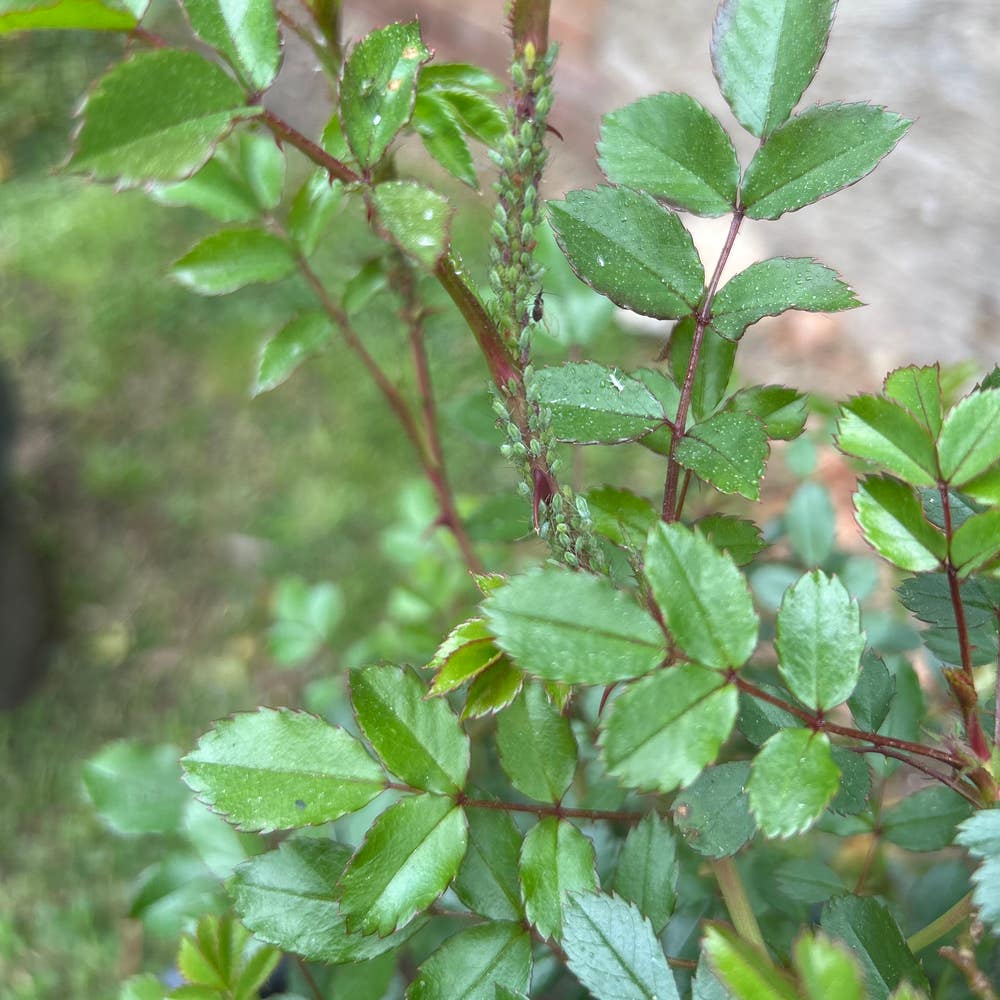
What to Do About Black Spots on Your Rambling rose 🌹
Rosa spp.
By the Greg Editorial Team
Aug 10, 2024•5 min read
This article was created with the help of AI so we can cover more plants for you. May contain errors. See one? Report it here.
- 🌱 Identify black spots to treat rambling roses effectively and prevent further damage.
- 🦠 Fungal infections cause dark spots; use neem oil or baking soda for treatment.
- 🌞 Ensure 6-8 hours of sunlight and proper watering for healthy rose growth.
Diagnosing Black Spots
🦠 Differentiating Between Fungal and Environmental Causes
Identifying the cause of black spots on your rambling rose is crucial for effective treatment. Fungal issues typically present as dark, circular spots with defined edges, signaling a potential infection.
In contrast, environmental symptoms manifest as yellowing leaves without distinct spots. This often results from overwatering or nutrient deficiencies, so it's essential to assess your watering habits and soil health.
🍃 Identifying Other Potential Leaf Issues
It's not just black spots you need to watch for; other leaf issues can mimic or accompany them. Powdery mildew appears as a white, powdery substance on leaves, which can easily be confused with black spots.
Additionally, nutrient burn shows up as brown, crispy edges on leaves, indicating over-fertilization. Pest damage is another concern, often visible as holes or irregular patterns on leaves caused by insect activity.
Understanding these symptoms will help you diagnose the problem accurately, paving the way for effective treatment. With this knowledge, you can take proactive steps to ensure your rambling rose thrives.
Treatment Options
🌱 Organic Treatments for Black Spots
Neem Oil
Neem oil is a fantastic organic solution for black spots on your rambling rose. Dilute it with water at a ratio of 1:10 and apply every 7 to 14 days for effective results.
Baking Soda Solution
A simple baking soda solution can work wonders. Mix 1 tablespoon of baking soda with 1 gallon of water, then spray it on affected leaves to prevent and treat black spots.
Compost Tea
Brewing compost tea is another beneficial approach. It enriches the soil and boosts plant health; steep compost in water for 24-48 hours, then strain and use it to water your roses.
🧪 Chemical Fungicides: When and How to Use
Types of Fungicides
Understanding the difference between systemic and contact fungicides is crucial. Systemic fungicides are absorbed by the plant, while contact fungicides only affect the surface.
Application Timing
Timing your application is key for maximum effectiveness. Treat your plants early in the morning or late in the afternoon to avoid the heat of the day.
Safety Precautions
Always prioritize safety when using chemical fungicides. Protect beneficial insects by applying them during non-blooming periods and follow label instructions carefully.
🏡 Home Remedies for Black Spot Management
Soap and Water Spray
A simple soap and water spray can help manage black spots. Mix 1 tablespoon of mild liquid soap with 1 gallon of water, spray on leaves, and watch for improvements.
Garlic or Onion Sprays
Garlic or onion sprays are effective against fungal infections. Blend a few cloves with water, strain, and spray on affected areas for a natural remedy.
Importance of Consistency
Consistency is key in managing black spots. Regular applications of these remedies will yield the best results, keeping your rambling rose healthy and vibrant.
As you explore these treatment options, remember that prevention is just as important. Let’s dive into some preventive measures to keep your roses thriving.
Preventive Measures
🌊 Best Practices for Watering and Soil Management
Proper watering techniques are crucial for the health of your rambling rose. Deep watering encourages roots to grow deeper, while surface watering can lead to shallow root systems and increased vulnerability to stress.
Well-drained soil is essential to prevent root rot and other issues. To improve drainage, consider adding organic matter like compost or peat moss to your soil mix.
🌬️ Importance of Air Circulation and Sunlight
Spacing your plants correctly is vital for optimal airflow. Aim for at least 18 to 24 inches between each rose to reduce humidity and prevent fungal diseases.
Your rambling rose needs at least 6-8 hours of direct sunlight daily. This exposure not only promotes healthy growth but also helps prevent black spots.
✂️ Regular Maintenance: Pruning and Cleaning
Regular pruning is key to maintaining air circulation. Remove dead or overcrowded branches to allow light and air to reach all parts of the plant.
Cleaning up fallen leaves and debris is equally important. This practice helps prevent the buildup of diseases that can harm your roses.
By implementing these preventive measures, you can significantly reduce the risk of black spots and keep your rambling rose thriving. Next, we’ll explore seasonal considerations to ensure your roses remain healthy throughout the year.
Seasonal Considerations
🌸 Spring Care for Rambling Rose
Spring is the perfect time to give your rambling rose a thorough check-up. Start by inspecting the leaves for any signs of black spots or other diseases that may have developed over the winter.
Fertilization is also crucial during this season. Use a balanced fertilizer, applying it as soon as new growth appears to give your rose the nutrients it needs to thrive.
🍂 Fall Preparations to Prevent Black Spots
As the growing season winds down, end-of-season pruning becomes essential. Trim away any dead or diseased branches to reduce the risk of black spots and other issues next spring.
Mulching is another effective strategy for winter protection. A good layer of mulch helps retain moisture and insulates the roots against cold temperatures, ensuring your rambling rose stays healthy through the winter months.
By taking these seasonal steps, you can significantly enhance your rose's resilience against black spots and other challenges. Now, let’s explore preventive measures to keep your rambling rose flourishing year-round.
⚠️ Safety First
This content is for general information and may contain errors, omissions, or outdated details. It is not medical, veterinary advice, or an endorsement of therapeutic claims.
Always consult a qualified healthcare professional before using any plant as food, medicine, or supplement.
Never eat any plant (or feed one to pets) without confirming its identity with at least two trusted sources.
If you suspect poisoning, call Poison Control (800) 222-1222, the Pet Poison Helpline (800) 213-6680, or your local emergency service immediately.
Spotted an error? Please report it here.
Keep your rambling roses spot-free 🌹 with Greg's tailored care reminders and treatments, ensuring they thrive and bloom beautifully all season long!