🌹 Step-by-Step Guide to Repotting Rambling Rose
Rosa spp.
By the Greg Editorial Team
Aug 10, 2024•6 min read
This article was created with the help of AI so we can cover more plants for you. May contain errors. See one? Report it here.
- 🌱 Repot when roots emerge or growth stalls to ensure your rambling rose thrives.
- 🛠️ Gather essential tools like pruning shears and gloves before starting the repotting process.
- 🌞 Adjust light gradually post-repotting to prevent transplant shock and promote healthy growth.
Step-by-Step Repotting Process
🌹 Signs that Your Rose Needs Repotting
Recognizing when your rambling rose needs repotting is crucial for its health. Look for these signs:
- Root Growth: If you see roots pushing through the drainage holes, it’s time to act.
- Stunted Growth: A lack of new growth during the growing season indicates the plant is root-bound.
- Soil Depletion: Compacted soil or a lack of nutrients can hinder your rose's growth.
- Water Drainage Issues: If water pools on the surface or drains too slowly, your rose may need a new home.
🛠️ Preparing for Repotting: Tools and Materials Needed
Before you start, gather the necessary tools and materials:
- Tools: You’ll need pruning shears, a trowel, gloves, and a watering can.
- Materials: Have a new pot, a potting mix suitable for roses, and drainage materials like gravel ready.
🪴 How to Safely Remove the Rose from Its Current Pot
Removing your rose safely is key to a successful repotting. Follow these steps:
- Water the plant a day before to ease removal.
- Gently tilt the pot and tap the sides to loosen the soil.
- Support the base of the plant and carefully pull it out.
🥣 Choosing the Right Pot Size and Material
Selecting the right pot is essential for your rose's growth.
- Pot Size: Choose a pot that is 2-4 inches larger in diameter than the current one.
- Material Options: Consider the pros and cons of different materials:
- Terracotta: Breathable but can dry out quickly.
- Plastic: Lightweight but retains moisture longer.
- Metal: Durable but may heat up too much.
🌱 Selecting the Appropriate Potting Mix
The right potting mix can make all the difference.
- Well-Draining Mix: Use a blend designed for roses or add perlite to standard potting soil.
- Nutrient-Rich: Ensure the mix contains organic matter to promote healthy growth.
🔧 Step-by-Step Instructions for Repotting
Now, let’s get into the nitty-gritty of repotting your rose:
- Prepare the new pot with drainage materials at the bottom.
- Fill it with potting mix, leaving space for the root ball.
- Position the rose in the center and fill around it with soil.
- Firm the soil gently and water thoroughly to eliminate air pockets.
With these steps, your rambling rose will be set for a fresh start in its new pot. Next, we’ll explore the best materials for pots to ensure your rose thrives.
Pot Material Options
🌱 Benefits of Terracotta Pots
Terracotta pots are a gardener's best friend when it comes to breathability. Their porous nature allows for better air circulation to the roots, promoting healthy growth.
Additionally, terracotta absorbs excess moisture, which helps reduce the risk of root rot. This moisture regulation is crucial for maintaining a balanced environment for your rambling rose.
🥤 Advantages and Disadvantages of Plastic Pots
Plastic pots are lightweight and easy to handle, making them a popular choice for many gardeners. However, they retain moisture longer, which can lead to overwatering if you're not careful.
This means you need to monitor your watering habits closely when using plastic pots to avoid stressing your rose.
⚙️ Metal Pots: Pros and Cons
Metal pots can add a stylish touch to your garden, offering durability that many other materials lack. However, they can heat up quickly in direct sunlight, potentially damaging the roots of your rose.
It's essential to consider the location of metal pots to prevent overheating and ensure your plant thrives.
🌍 Choosing Biodegradable Pots: Are They Suitable?
Biodegradable pots are an eco-friendly option that can be planted directly into the ground. They break down over time, enriching the soil as they do.
However, keep in mind that they may not provide adequate drainage or stability for larger plants. It's crucial to weigh these factors before making your choice.
In summary, selecting the right pot material is vital for the health of your rambling rose. Each option has its unique benefits and drawbacks, so consider your specific needs and environment carefully.
Next, let’s dive into post-repotting care to ensure your rose continues to flourish after its big move!
Post-Repotting Care
💧 Watering Techniques After Repotting
After repotting, give your rambling rose a thorough watering. This helps settle the soil and ensures good contact with the roots.
For ongoing care, allow the top inch of soil to dry out before watering again. This prevents overwatering, which can lead to root rot.
☀️ Light Requirements Post-Repotting
Start your rose off with indirect sunlight after repotting. Gradually increase its exposure to full sun over a week or two.
Keep an eye out for signs of stress, such as yellowing leaves or wilting. These can indicate that your rose is getting too much direct light too soon.
🚨 Monitoring for Transplant Shock
Transplant shock can manifest as wilting, leaf drop, or slowed growth. It’s a common reaction as the plant adjusts to its new environment.
To mitigate shock, avoid fertilizing immediately after repotting. Instead, focus on consistent care, ensuring your rose has the right conditions to thrive.
With these post-repotting care tips, your rambling rose will be well on its way to flourishing in its new home. Next, let’s explore common problems and solutions that may arise during this transition.
Common Problems and Solutions
🌱 Issues with Root Binding and How to Address Them
Root binding is a common issue when repotting roses. You might notice roots circling the pot or even growing out of the drainage holes.
To address this, gently tease apart the roots during repotting. This encourages outward growth and helps the plant establish itself in its new home.
💧 Signs of Overwatering or Underwatering After Repotting
After repotting, it's crucial to monitor your rose for signs of overwatering or underwatering. Overwatering typically manifests as yellowing leaves and soggy soil.
On the other hand, underwatering leads to wilting and dry soil. Adjust your watering frequency based on the moisture levels in the soil to keep your rose thriving.
🐞 Pest Management Post-Repotting
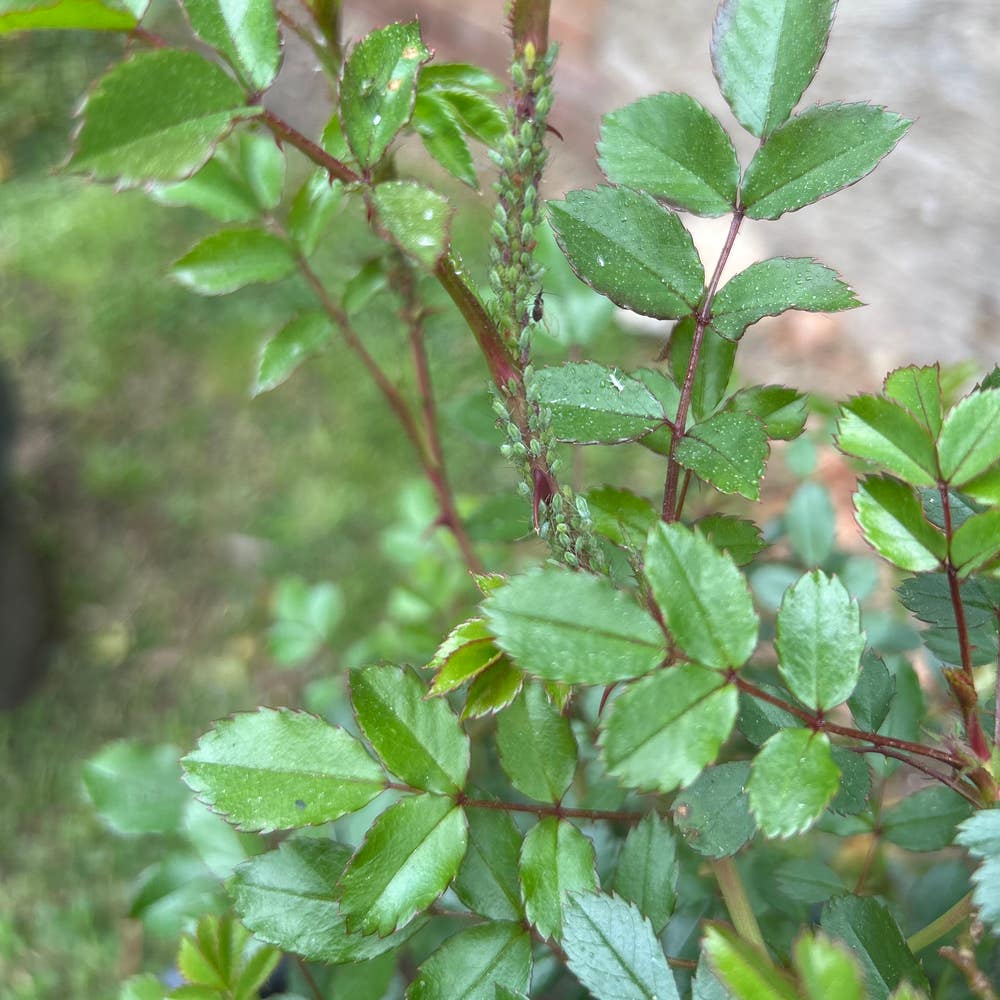
Pests can become a nuisance after repotting, with aphids and spider mites being the most common offenders. Regular inspections are key to catching these pests early.
Maintaining plant health through proper care is your best defense. Healthy plants are less susceptible to infestations, so keep an eye on your rose and act quickly if you notice any issues.
With these tips in mind, you can ensure your rambling rose not only survives but thrives after repotting. Next, let’s explore the seasonal considerations that can impact your repotting efforts.
Seasonal Considerations for Repotting
Best Time of Year to Repot 🌱
Timing is everything when it comes to repotting your rambling rose. The ideal windows are early spring or fall, as these periods align with the plant's natural growth cycles.
Seasonal Growth Patterns and Their Impact on Repotting 🌼
In spring, your rose is in its active growth phase. Repotting during this time encourages new root development, giving your plant a fresh start.
Conversely, fall is also a strategic time for repotting. It allows your rose to establish itself before winter dormancy, ensuring it’s ready to thrive come spring.
Understanding these seasonal nuances can make all the difference in your rose's health and growth. With the right timing, you'll set your plant up for success, leading to vibrant blooms and lush foliage.
Next, let’s explore the various pot material options to ensure your rose has the best home possible.
⚠️ Safety First
This content is for general information and may contain errors, omissions, or outdated details. It is not medical, veterinary advice, or an endorsement of therapeutic claims.
Always consult a qualified healthcare professional before using any plant as food, medicine, or supplement.
Never eat any plant (or feed one to pets) without confirming its identity with at least two trusted sources.
If you suspect poisoning, call Poison Control (800) 222-1222, the Pet Poison Helpline (800) 213-6680, or your local emergency service immediately.
Spotted an error? Please report it here.
Transform your rambling rose into a thriving beauty 🌹 by following this guide and letting Greg provide custom watering reminders to keep your plant happy in its new pot!