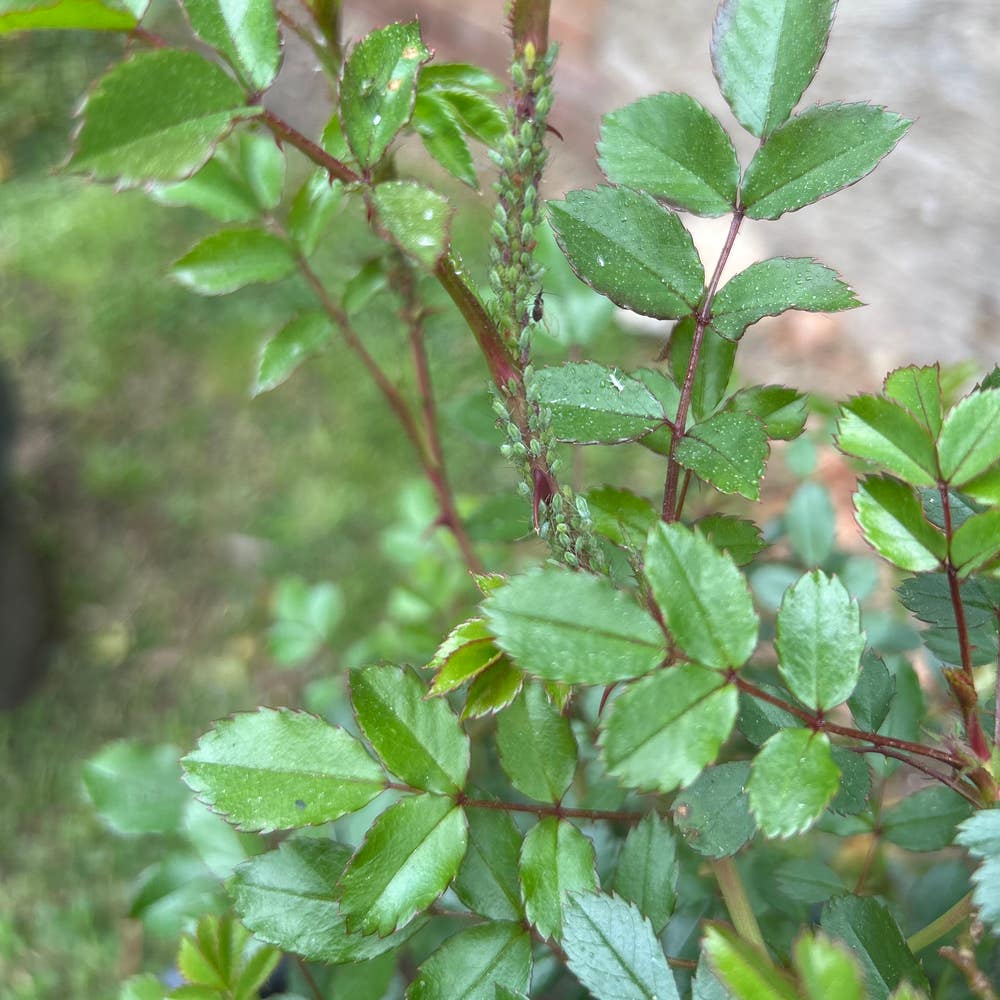
Why Rambling Rose Leaves Turn Yellow 🍂
Rosa spp.
By the Greg Editorial Team
Aug 10, 2024•2 min read
This article was created with the help of AI so we can cover more plants for you. May contain errors. See one? Report it here.
- 🌱 Yellow leaves indicate nutrient deficiencies or improper care; adjust accordingly.
- 💧 Deep, infrequent watering promotes strong roots; ensure water reaches 12-18 inches deep.
- 🐞 Regular inspections and organic pest control prevent infestations and maintain rose health.
Treatment and Prevention
🌱 Nutrient Management
Recommended Fertilizers
To keep your rambling rose healthy, consider using balanced NPK fertilizers or organic options like compost. Apply these every 4-6 weeks during the growing season to ensure your plants receive the nutrients they need.
Soil Testing for pH and Nutrients
Soil testing is crucial for optimal nutrient availability. Aim for a pH range of 6.0 to 6.8 for roses, as this promotes healthy growth and vibrant blooms.
💧 Watering Best Practices
How to Properly Water
- Water deeply but infrequently to encourage strong root development.
- Ensure water reaches the root zone, about 12-18 inches deep.
- Adjust your watering frequency based on weather conditions to prevent stress.
Signs of Proper Hydration
Look for firm leaves, vibrant color, and no wilting as indicators of proper hydration. These signs show your roses are thriving and well-cared for.
🐞 Pest Control Methods
Organic and Chemical Options
For pest control, consider organic solutions like neem oil and insecticidal soap. If infestations become severe, systemic insecticides can be effective but should be used sparingly.
Preventative Measures
Regular inspections are key to catching issues early. Introducing beneficial insects can also help maintain a healthy garden ecosystem.
🍄 Fungal Disease Management
Treatment Options
At the first sign of fungal disease, apply fungicides to manage the issue effectively. Additionally, cultural practices like removing debris and avoiding overhead watering can help prevent outbreaks.
Preventative Care Strategies
Rotate planting locations each season and choose resistant varieties to minimize disease risk. These strategies can significantly enhance your garden's resilience.
🍃 Seasonal Considerations
Spring Care Tips
In spring, prune dead wood, fertilize, and inspect for pests to kickstart your roses' growth. This proactive approach sets the stage for a flourishing season.
Summer Maintenance
During summer, maintain regular watering and deadhead spent blooms to encourage new growth. These simple tasks can keep your roses looking their best.
Fall Preparation for Winter
As fall approaches, mulch around the base of your roses and reduce watering. This preparation helps protect them from winter stress.
Winter Care to Prevent Stress
In winter, shield your roses from frost and avoid heavy pruning. These measures will help your plants survive the colder months and emerge strong in spring.
With proper treatment and prevention strategies, your rambling roses can thrive year-round. Next, let’s explore specific seasonal care tips to ensure your roses remain vibrant and healthy.
⚠️ Safety First
This content is for general information and may contain errors, omissions, or outdated details. It is not medical, veterinary advice, or an endorsement of therapeutic claims.
Always consult a qualified healthcare professional before using any plant as food, medicine, or supplement.
Never eat any plant (or feed one to pets) without confirming its identity with at least two trusted sources.
If you suspect poisoning, call Poison Control (800) 222-1222, the Pet Poison Helpline (800) 213-6680, or your local emergency service immediately.
Spotted an error? Please report it here.
Keep your rambling roses vibrant and healthy 🌹 by using Greg for personalized watering reminders and expert care tips that ensure they thrive all year long!