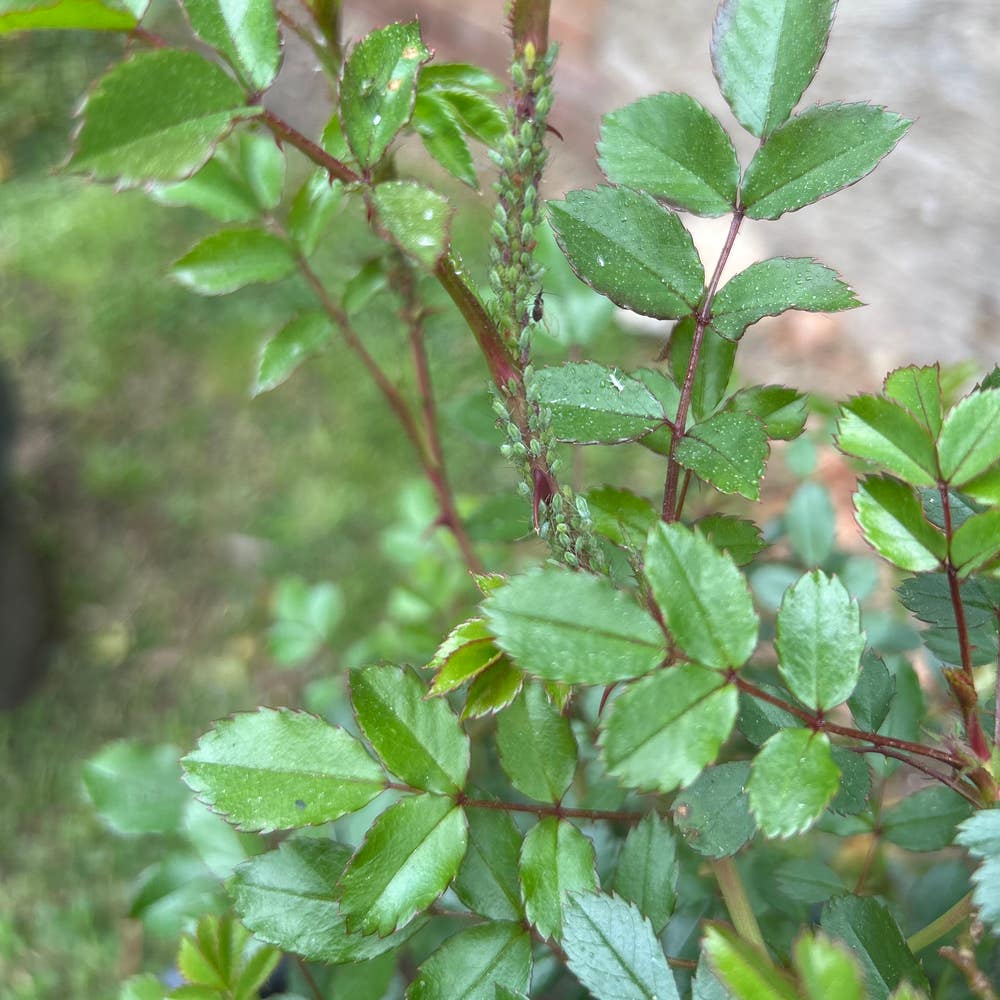
🌹 How to Get Your Rambling Rose to Bloom
Rosa spp.
By the Greg Editorial Team
Aug 10, 2024•4 min read
This article was created with the help of AI so we can cover more plants for you. May contain errors. See one? Report it here.
- 🌹 Rambling roses need 6-8 hours of sunlight and regular pruning for blooming success.
- 🌱 Balanced fertilizer during growing season enhances flowering and overall health.
- 🌼 Blooming starts in early spring, lasting 4-6 weeks with various color options.
Flowering Status
🌹 Does the Rambling Rose Produce Flowers?
Absolutely! The Rambling rose is a flowering plant celebrated for its vigorous growth and sprawling habit. It's a favorite for adorning trellises and fences, showcasing beautiful clusters of flowers that can transform any garden space.
🚫 Why Might Your Rambling Rose Not Flower?
If your Rambling rose isn't blooming, several factors could be at play. Poor growing conditions, insufficient sunlight, or improper care can all hinder flowering.
Ensuring your rose receives the right environment is crucial for vibrant blooms. Keep an eye on these elements to help your plant thrive and flourish.
With the right conditions, your Rambling rose can become a stunning display of color and life. Let's explore what happens if it does flower!
If Rambling Rose Does Flower
🌸 Flower Characteristics
Rambling roses are a delightful sight, showcasing flowers in shades of pink, white, or yellow, depending on the variety. These blooms form clusters, featuring small to medium-sized flowers with multiple petals that create a stunning visual display.
While rambling roses are generally self-pollinating, they can benefit from external pollination. This interaction can lead to a better fruit set, enhancing the plant's overall productivity.
🌼 Blooming Process
The blooming process begins with bud formation in early spring. Typically, these roses bloom from late spring to early summer, offering a vibrant show during the warmer months.
From bud formation to full bloom, expect a duration of about 4-6 weeks. Once in full bloom, the flowers usually last for 1-3 weeks, influenced by environmental conditions.
🌱 Encouraging Blooms
To encourage your rambling rose to bloom, ensure it receives adequate sunlight—aim for 6-8 hours daily. Regular pruning is also essential, as it promotes new growth and enhances flowering.
Fertilizing with a balanced fertilizer during the growing season can make a significant difference. Additionally, factors like soil quality, moisture levels, and overall plant health play crucial roles in flowering success.
🌿 Post-Flowering
After the flowering period, your rambling rose may produce rose hips, which are beneficial for local wildlife. These hips can add an extra layer of interest to your garden.
Importantly, rambling roses do not die after flowering. They continue to grow and may bloom again in subsequent seasons, ensuring your garden remains lively and colorful year after year.
As you nurture your rambling rose, remember that each season brings new opportunities for growth and beauty. Now, let’s explore what happens if your rambling rose doesn’t flower.
If Rambling Rose Doesn't Flower
🌿 Primary Ornamental or Functional Features
Even if your Rambling rose isn't blooming, it still shines with its lush foliage and vigorous growth. This makes it a fantastic choice for covering fences, trellises, or any unsightly structures in your garden.
Some varieties also boast a strong fragrance, adding an aromatic touch to your outdoor space. This scent can be just as captivating as the flowers themselves, enhancing your garden's appeal.
🌱 Discussion on Reproduction Without Flowers
Interestingly, Rambling roses can reproduce without flowers through vegetative means. Gardeners can take cuttings to propagate their favorite varieties, ensuring that even without blooms, the beauty of the plant continues.
This ability to reproduce vegetatively is a handy feature, especially for those looking to expand their garden without relying solely on flowering. It allows for a thriving garden, even in the absence of blossoms.
As we explore the unique aspects of the Rambling rose, you'll discover more about its fascinating characteristics and reproductive strategies.
Unique Aspects
🌸 Extended Blooming Seasons
Some varieties of Rambling rose are known for their extended blooming seasons. This means they can produce flowers intermittently throughout the summer, adding a delightful surprise to your garden.
🌼 Clustered Flower Production
Rambling roses often bloom in clusters, creating a stunning visual impact. These clusters not only enhance the beauty of your garden but also attract pollinators, making them a favorite among bees and butterflies.
🌱 Vegetative Reproduction
One of the fascinating aspects of Rambling roses is their ability to reproduce vegetatively. Gardeners can easily propagate their favorite varieties through cuttings, ensuring that beautiful blooms can be enjoyed year after year.
🌿 Engaging with Nature
The unique characteristics of Rambling roses invite gardeners to engage more deeply with nature. Whether you're admiring their clusters of blooms or propagating new plants, these roses offer a rewarding gardening experience.
With these unique aspects in mind, you can appreciate the versatility and charm of Rambling roses. They not only beautify your space but also provide opportunities for growth and connection with nature.
⚠️ Safety First
This content is for general information and may contain errors, omissions, or outdated details. It is not medical, veterinary advice, or an endorsement of therapeutic claims.
Always consult a qualified healthcare professional before using any plant as food, medicine, or supplement.
Never eat any plant (or feed one to pets) without confirming its identity with at least two trusted sources.
If you suspect poisoning, call Poison Control (800) 222-1222, the Pet Poison Helpline (800) 213-6680, or your local emergency service immediately.
Spotted an error? Please report it here.
Transform your garden with blooming rambling roses 🌹 by ensuring they get the right sunlight and care, and let Greg provide tailored reminders and tips to help your flowers thrive all season long!