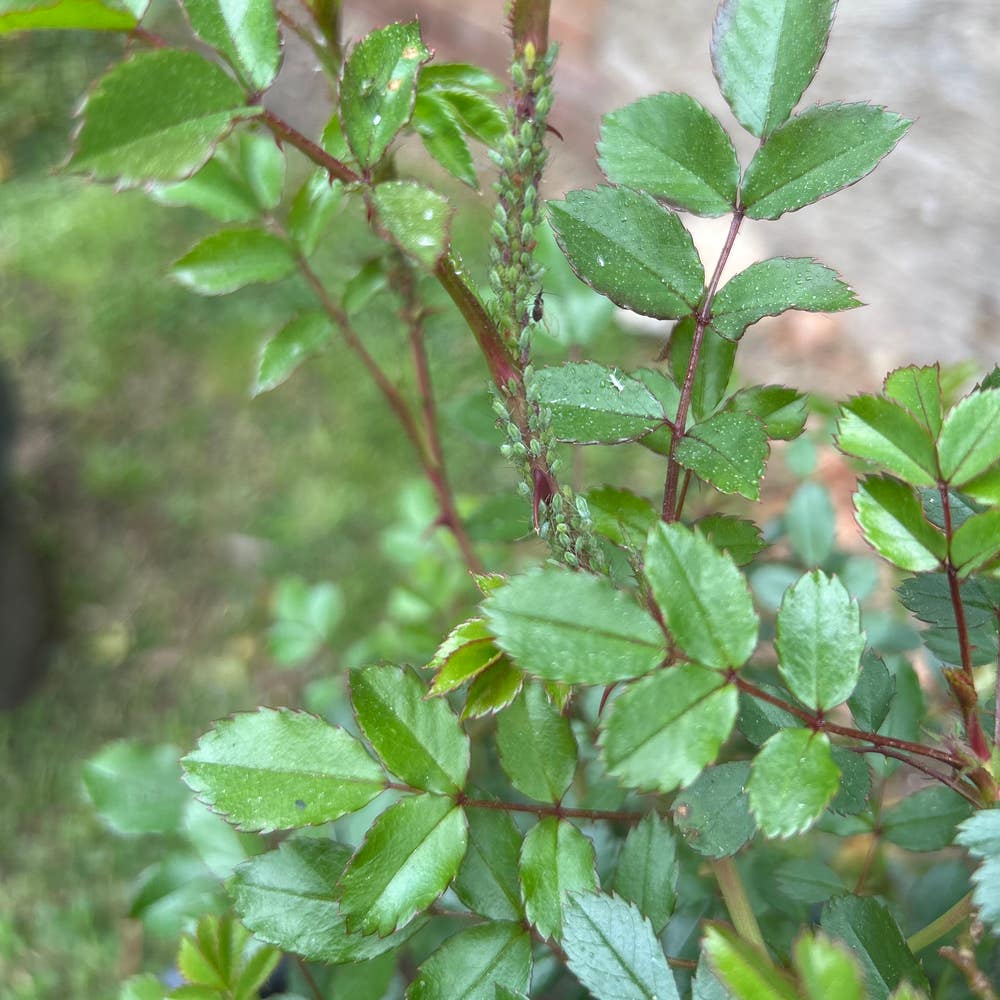
10 Tips for Propagating Your Rambling rose 🌹
Rosa spp.
By the Greg Editorial Team
Aug 10, 2024•5 min read
This article was created with the help of AI so we can cover more plants for you. May contain errors. See one? Report it here.
- 🌱 Choose healthy, semi-hardwood stems for the best propagation results.
- 💧 Maintain consistent moisture without overwatering to prevent root rot.
- 🌞 Provide indirect sunlight to protect cuttings from scorching.
Propagating from Cuttings
Step-by-step Guide for Taking Cuttings 🌱
Select healthy stems: Choose semi-hardwood stems from the current season's growth. This ensures vitality and increases your chances of success.
Cut length: Aim for cuttings that are 6-8 inches long, making sure each has at least two nodes. Nodes are crucial as they are where roots will develop.
Remove lower leaves: Trim off leaves from the bottom half of the cutting. This reduces moistursoilss and helps the cutting focus on root development.
Optional: Dip the cut ends in rooting hormone. This can significantly enhance rooting success, giving your cuttings a better start.
Ideal Conditions for Rooting ☀️
Soil type: Use a well-drainiWaterertile soil mix, such as potting soil combined with perlite. This ensures that your cuttings have the right environment to thrive.
Waterspringeep the sosummersistently moist but avoid waterlogging. Overwatering can drown the roots before they even have a chance to grow.
Light: Provide indirect sunlight. Direct sun can scorch your cuttings, so a bright, shaded area is rambling roseommon Mistakes to Avoid ❌
Using overly woody cuttings: This can lead to poor rooting. Stick with semi-hardwood for the best results.
Overwatering: Excess moisture can cause rot. Always check the soil's moisture level before watering.
Neglecting humidity: Cover your cuttings with a plastic bag or dome. This helps maintain humidity, which is essential for sseedssful rooting.
By following these steps and avoiding common pitfalls, you’ll be well on your way to propagating your rambling rose successfully. Next, we’ll explore the layering technique, another effective method for propagation.
Layering Technique
Explanation of Layering 🌱
Layering is a fantastic propagation method that allows you to encourage a stem to root while it remains attached to the parent plant. This twell-drainingarticularly effective for rambling roses, as it takes advantage of the plant's natural growth habits.
Step-by-step Instructions for SuccessfulOverwatering1. Choose a flexible stem: Look for a healthy, pliable stem that can easily bend toward the ground.
- Prepare the soil: Clear a small patch of soil where the stem will make contact.
- Wound the stem: Make a small cut or scrape on the underside of the stem to stimulate rooting.
- Secure the stem: Bury the wounded section in the soil, ensuring the tip remains exposed.
- Water: Keep the area consistently moist until roots begin to develop.
Best Time of Year for Layering 🌼
The ideal time for layering is late spring to early summer. During this period, the plant is actively growing, which enhances the chances of successful rooting.
Larambling roseewarding technique that not only expands your garden but also deepens your connection with your rambling rose. Next, let’s explore seed propagation, another exciting way to grow these beautiful plants.
Seed Propagation
🌱 How to Collect and Prepare Seeds
To start propagating your rambling rose from seeds, first, harvest them from mature rose hips. Wait until the hips turn a vibrant red or orange, signaling they are ripe for collection.
Once harvested, clean the seeds by removing the pulp and rinsing them in water. This step is crucialindirect sunlighthe seeds are free from any debris that could hinder germination.
##shadedrmination Process for Rambling Rose Seeds
- Strtemperature rangen by soaking the seeds in water for 24 hours. After soaking, refrigerate them for 4-6 healthy growth winter conditions, which helpshumidityormancy.
- Planting: After stratification, sow the seeds in well-draining soil, covering them lightly. This ensures they have the right environment to sprout.
- Watering: Keep the soil consistently moist but not soggrambling roseng can lead to rot, so it's essential to find that balanccultivating beautiful of Seed Propagation Seed propagation can be rewarding, but it comes with its challenges. One common issue is low germination rates; rambling rose seeds cpests slow to sprout, requiring patience and persistence.
Another challenge is genetic variability. Plants groworganic insecticidal soapmble the parent plant, which can be a delightful surprise or a disappointment, depending on your expecassessing your environmental conditionses can help you navigate the seed propagation process more effectively. With the right approach, you can enjoy the journey of growing your rambling rose from seeds.
As you explore these methods, remember that each propagation technique has its unique benefits. Next, let’soil mixnto the timing and conditions that will set you up for success in propagating your rambling rose.
Timing and Conditions
🌱 Best Time to Propagate Rambling Rose
The ideal times to propagate your rambling rose are early spring and late summer. For seed propagation, late winter is your best bet.
🌤️ Environmental Conditions for Successful Propagation
💡 Light Requirements
When propagating from cuttings, indirect sunlight is crucial. Direct sun can lead to wilting, so keep those cuttings shaded.
🌡️ Temperature Considerations
Aim for a temperature range of 65°F to 75°F (18°C to 24°C) for optimal rooting. This warm environment encourages healthy growth.
💧 Humidity Levels
High humidity is essential for cuttings to thrive. Use plastic covers or mist the area regularly to maintain moisture levels.
Understanding these timing and environmental conditions will set you up for success in propagating your rambling rose. With the right approach, you'll be well on your way to cultivating beautiful new plants.
Common Challenges and Solutions
🐛 Pests and Diseases in Propagation
When propagating your rambling rose, keep an eye out for common pests like aphids and spider mites. These little invaders can wreak havoc on your cuttings, so it's wise to use organic insecticidal soap for treatment.
📉 Troubleshooting Low Success Rates
If you're facing low success rates, start by assessing your environmental conditions. Ensure that your cuttings receive proper light, humidity, and temperature to create an ideal rooting environment.
Next, review your propagation techniques. Adjust your methods based on what you've observed, whether it's tweaking your watering schedule or changing your soil mix.
By staying vigilant and adaptable, you can overcome these challenges and enjoy a thriving rambling rose garden. Now, let’s explore the best timing and conditions for successful propagation.
⚠️ Safety First
This content is for general information and may contain errors, omissions, or outdated details. It is not medical, veterinary advice, or an endorsement of therapeutic claims.
Always consult a qualified healthcare professional before using any plant as food, medicine, or supplement.
Never eat any plant (or feed one to pets) without confirming its identity with at least two trusted sources.
If you suspect poisoning, call Poison Control (800) 222-1222, the Pet Poison Helpline (800) 213-6680, or your local emergency service immediately.
Spotted an error? Please report it here.
Cultivate stunning blooms with these 10 propagation tips 🌹 and let Greg guide you with tailored reminders and expert advice to ensure your rambling roses thrive!