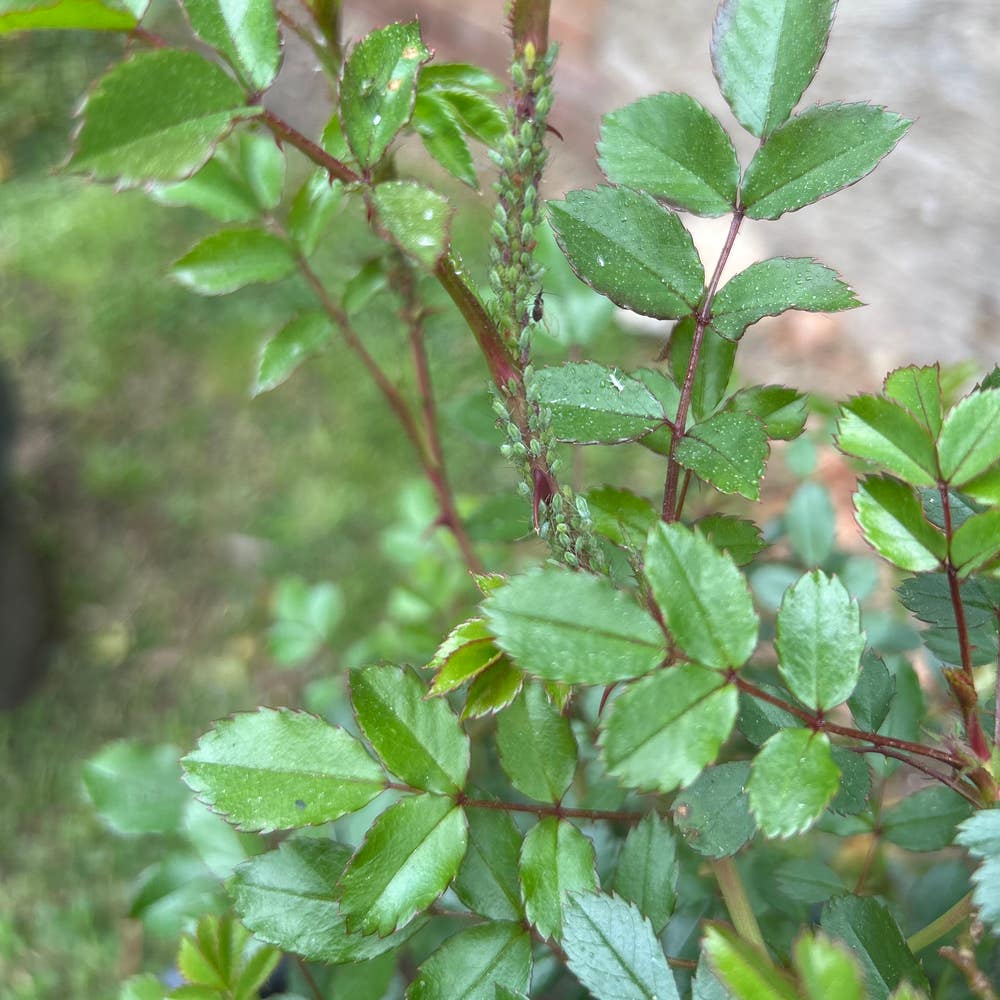
☀️ Ultimate Guide to Direct Sunlight for Rambling rose
Rosa spp.
By the Greg Editorial Team
Aug 10, 2024•4 min read
This article was created with the help of AI so we can cover more plants for you. May contain errors. See one? Report it here.
- 🌞 Rambling Roses need 6 hours of direct sunlight daily for optimal growth.
- 🌿 South-facing windows offer the best sunlight, ensuring vibrant blooms and healthy plants.
- ❗️ Too much sun can cause leaf scorch; monitor for signs of stress.
Sunlight Needs of Rambling Rose
🌞 Does Rambling Rose Need Direct Sunlight?
Absolutely! For your Rambling Rose to flourish, it needs at least 6 hours of direct sunlight each day. This exposure is crucial for optimal blooming and overall health.
☀️ Can Rambling Rose Tolerate Direct Sunlight?
Yes, it can tolerate direct sunlight. However, during the hottest parts of the day, providing some protection can help prevent stress on the plant.
🔥 Effects of Too Much Direct Sunlight
While Rambling Roses love the sun, too much can lead to issues. You might notice leaf scorch, characterized by brown edges or spots on the leaves.
Additionally, excessive heat can result in reduced vigor. If your rose is consistently exposed to extreme sunlight, you may see stunted growth, which is a clear sign it needs some shade.
Understanding these sunlight needs will help you create the perfect environment for your Rambling Rose to thrive. Next, let’s explore how window direction impacts sunlight exposure for your plant.
Window Direction and Sunlight Exposure
Importance of Window Direction 🌞
The direction your windows face plays a crucial role in how much sunlight your Rambling rose receives.
- South-facing windows: These are the champions, soaking up the most direct sunlight throughout the day, perfect for vibrant blooms.
- East-facing windows: They offer gentle morning sun, which is less intense but still beneficial for growth.
- West-facing windows: Expect intense afternoon sunlight here; your rose may need some shading to prevent overheating.
- North-facing windows: Generally provide only indirect sunlight, making them less ideal for your Rambling rose.
Best Window Placements 🪴
For optimal growth, aim to place your Rambling rose in a south or west-facing window.
- South or west-facing windows: These spots ensure maximum sunlight exposure, crucial for healthy blooms.
- Climbing considerations: Make sure there's enough vertical space for your rose to thrive and climb, as it loves to stretch out in the sun.
By strategically positioning your plant, you can create a flourishing environment that encourages robust growth and stunning flowers.
Seasonal Considerations
🌞 Seasonal Changes in Sunlight Intensity
Understanding how sunlight changes with the seasons is crucial for your Rambling rose.
- Spring: As days lengthen, sunlight increases, creating the perfect environment for growth and blooming.
- Summer: This is when sunlight peaks. Keep an eye on your rose; it may need extra care to prevent heat stress.
- Fall: Sunlight gradually decreases, signaling your rose to prepare for dormancy.
- Winter: Sunlight is limited, and your plant might require supplemental light to thrive.
🌱 How Seasons Affect Growth
The seasons play a significant role in your Rambling rose's growth cycle.
- Spring and Summer: Expect active growth and vibrant flowering during these months.
- Fall and Winter: Your rose enters a dormant phase, requiring less light and care.
By staying attuned to these seasonal changes, you can ensure your Rambling rose remains healthy and vibrant year-round. Next, let’s explore some common misconceptions about sunlight and Rambling roses.
Common Misconceptions
🌞 Myths About Rambling Rose and Sunlight
One common myth is that Rambling Roses can thrive in complete shade. The reality is that these beautiful plants require direct sunlight for optimal growth and flowering.
Without sufficient sunlight, you may notice a lack of blooms and overall vigor. They simply won’t reach their full potential without those sun-kissed hours.
💡 Clarifying Light Needs vs. Light Tolerance
Understanding the difference between light needs and light tolerance is crucial. Light needs refer to the minimum sunlight required for healthy growth.
On the other hand, light tolerance describes a plant's ability to survive in less-than-ideal lighting conditions. While Rambling Roses can endure some shade, they won’t flourish without adequate sunlight.
By recognizing these distinctions, you can better care for your Rambling Rose and ensure it thrives in your garden.
Practical Tips for Plant Parents
🌞 Observing Sunlight Patterns
Tracking sunlight exposure is crucial for your rambling rose. Spend a day noting how sunlight moves across your space.
Using a compass can help you determine window directions. This simple tool will guide you in finding the best spots for your plant.
💡 Adjusting Light Exposure
If your rambling rose isn’t getting enough light, consider moving pots to brighter locations. A little shift can make a big difference in growth.
Sheer curtains can be your best friend. They filter harsh sunlight while still allowing your plant to soak up the rays it needs.
🚨 Signs of Sunlight Issues
Watch for signs of too much sunlight, like leaf scorch or wilting. These symptoms indicate your plant might be struggling.
On the flip side, sparse foliage and fewer blooms suggest it’s not getting enough light. Adjusting its position can help revive its vigor.
By keeping an eye on these factors, you can ensure your rambling rose thrives. Next, let’s explore how seasonal changes impact its growth and sunlight needs.
⚠️ Safety First
This content is for general information and may contain errors, omissions, or outdated details. It is not medical, veterinary advice, or an endorsement of therapeutic claims.
Always consult a qualified healthcare professional before using any plant as food, medicine, or supplement.
Never eat any plant (or feed one to pets) without confirming its identity with at least two trusted sources.
If you suspect poisoning, call Poison Control (800) 222-1222, the Pet Poison Helpline (800) 213-6680, or your local emergency service immediately.
Spotted an error? Please report it here.
Keep your Rambling Rose blooming with perfect sunlight 🌞 by using Greg to track light patterns and receive personalized care reminders for thriving growth!