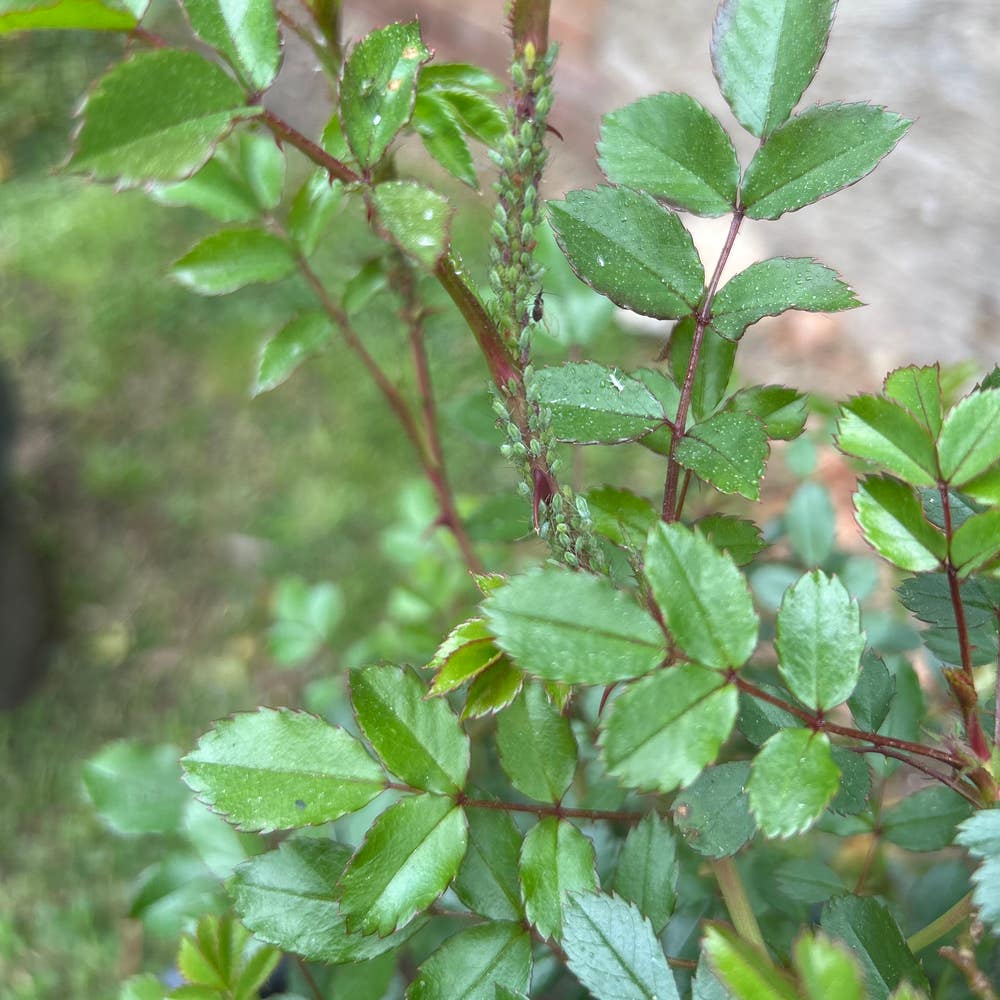
Best Tips for Dealing with Brown Spots on Rambling rose 🌹
Rosa spp.
By the Greg Editorial Team
Aug 10, 2024•5 min read
This article was created with the help of AI so we can cover more plants for you. May contain errors. See one? Report it here.
- 🌱 Brown spots on rambling roses stem from infections, stress, pests, or nutrient issues.
- 💧 Prevent infections by using drip irrigation and improving air circulation around plants.
- 🛠️ Regular monitoring and pruning enhance rose health and catch problems early.
Causes of Brown Spots
🦠 Fungal Infections
Fungal infections are a primary culprit behind brown spots on rambling roses. Two common types include black spot, characterized by circular black spots with fringed edges, and powdery mildew, which appears as a white, powdery coating on leaves.
These fungi thrive in conditions of high humidity and poor air circulation. Overcrowded planting can exacerbate these issues, creating a perfect environment for fungal growth.
🦠 Bacterial Infections
Bacterial infections, such as bacterial leaf spot, can also lead to brown spots. Symptoms include dark, water-soaked spots that may eventually turn yellow.
These infections often spread in wet conditions and are worsened by overhead watering. Keeping foliage dry can help mitigate this risk.
🌪️ Environmental Stress
Environmental stress plays a significant role in the health of your roses. Overwatering can cause wilting and yellowing leaves, ultimately leading to root rot.
Conversely, underwatering results in dry, crispy leaf edges and brown spots. Maintaining consistent soil moisture is crucial for the well-being of your roses.
🥦 Nutrient Deficiencies
Nutrient deficiencies can manifest as brown spots on your rose plants. A nitrogen deficiency typically causes yellowing leaves accompanied by brown spots.
Similarly, a potassium deficiency leads to marginal browning of leaves, affecting the overall vigor of the plant. Regular soil testing can help identify these issues early.
🐛 Pest Damage
Pests can also contribute to the appearance of brown spots. Common offenders include aphids, which cause curled leaves and leave a sticky residue, and spider mites, known for stippled leaves and webbing.
These pests weaken the plants, making them more susceptible to diseases. Regular inspections can help catch these pests before they cause significant damage.
Understanding these causes is the first step in effectively addressing brown spots on your rambling roses. Next, we’ll explore how to diagnose these issues accurately.
Diagnosing Brown Spots
🦠 Identifying Symptoms of Fungal vs. Bacterial Infections
When diagnosing brown spots on your rambling rose, start by identifying the type of infection. Fungal infections typically present with leaf spots that have defined edges and can spread rapidly, creating a concerning sight.
In contrast, bacterial infections manifest as water-soaked spots that may eventually lead to leaf drop. Recognizing these differences is crucial for effective treatment.
🌧️ Assessing Environmental Factors
Next, evaluate your watering practices. Consider how often you water and whether you use overhead methods or drip irrigation, as these can significantly impact plant health.
Also, check for overcrowding in your garden. Ensuring adequate spacing allows for better air circulation, which is vital in preventing both fungal and bacterial issues.
🐛 Recognizing Pest-Related Damage
Don’t forget to inspect for pests. Look closely for visible insects or webbing on the leaves, as these can indicate a pest problem that may exacerbate brown spots.
Assess the damage patterns carefully. Distinguishing between pest damage and disease symptoms will help you target the right solution for your rose's health.
By understanding these diagnostic steps, you can take proactive measures to restore your rambling rose to its vibrant glory. Next, let’s explore effective treatment options to combat these brown spots.
Treatment Options
🌱 Organic Fungicides and Bactericides
When dealing with brown spots on your rambling rose, organic fungicides and bactericides can be your best allies. Neem oil is a standout choice, effectively combating both fungal and bacterial infections without harming beneficial insects.
Another solid option is copper-based fungicides, which specifically target fungal issues. These products are not only effective but also align with eco-friendly gardening practices.
🏡 Homemade Remedies
If you prefer a DIY approach, consider a baking soda solution. Simply mix 1 tablespoon of baking soda with 1 gallon of water.
Spray this mixture on affected leaves every 7-14 days to help combat those pesky brown spots. It’s an easy and cost-effective way to keep your roses healthy.
✂️ Pruning Affected Leaves
Pruning is essential for maintaining the health of your rambling rose. Start by using clean, sharp pruning shears to avoid introducing new diseases.
Follow these steps for effective pruning:
- Remove all affected leaves and dispose of them properly.
- Clean your tools after use to prevent spreading diseases.
This not only improves the plant's appearance but also enhances air circulation, which is crucial for preventing future infections.
🌬️ Improving Air Circulation
Air circulation plays a vital role in keeping your roses healthy. To enhance airflow, thin out any dense growth that may be blocking air movement.
Additionally, ensure your plants are spaced adequately to avoid overcrowding. This simple adjustment can significantly reduce the risk of fungal infections.
By implementing these treatment options, you can effectively manage brown spots on your rambling rose and promote a thriving garden. Next, let’s explore preventive measures to keep your roses healthy year-round.
Preventive Measures
Proper Watering Techniques 🌊
Watering your rambling rose correctly is crucial for preventing brown spots. Always water at the base of the plant to keep leaves dry and reduce the risk of fungal infections.
Using drip irrigation or soaker hoses can help maintain consistent moisture levels. This method ensures that water reaches the roots without saturating the foliage.
Soil Health and Amendments 🌱
Well-draining soil is essential for healthy roses. Incorporate organic matter, like compost, to improve drainage and nutrient availability.
Regular soil testing is also important. It helps you assess nutrient levels and pH, ensuring your roses receive the right balance for optimal growth.
Choosing Disease-Resistant Varieties 🌼
Selecting disease-resistant varieties can save you a lot of trouble. For instance, 'Kiftsgate' is renowned for its vigorous growth and strong resistance to diseases.
Another excellent choice is 'Rambling Rector,' which not only offers beautiful blooms but also has moderate disease resistance. These varieties can make your gardening experience more enjoyable and less stressful.
Regular Monitoring and Maintenance 🔍
Consistent monitoring is key to catching issues early. Schedule weekly inspections of your plants to spot any early signs of disease or pests.
Keeping your garden clean is equally important. Regularly remove fallen leaves and debris to minimize the risk of disease spreading among your roses.
By implementing these preventive measures, you can significantly reduce the likelihood of brown spots on your rambling rose. Next, let’s explore effective treatment options for when issues do arise.
⚠️ Safety First
This content is for general information and may contain errors, omissions, or outdated details. It is not medical, veterinary advice, or an endorsement of therapeutic claims.
Always consult a qualified healthcare professional before using any plant as food, medicine, or supplement.
Never eat any plant (or feed one to pets) without confirming its identity with at least two trusted sources.
If you suspect poisoning, call Poison Control (800) 222-1222, the Pet Poison Helpline (800) 213-6680, or your local emergency service immediately.
Spotted an error? Please report it here.
Transform those brown spots into blooming beauty 🌹 by letting Greg provide tailored care tips and watering reminders to keep your rambling roses thriving!