Best Tips for Droopy Leaves on Rambling rose 🌹
Rosa spp.
By the Greg Editorial Team
Aug 10, 2024•5 min read
This article was created with the help of AI so we can cover more plants for you. May contain errors. See one? Report it here.
- 💧 Overwatering and underwatering are primary causes of droopy leaves in rambling roses.
- 🌱 Nutrient deficiencies lead to pale leaves; fertilize in spring and summer for health.
- 🐛 Regular pest inspections and organic controls prevent droopy leaves and promote growth.
Causes of Droopy Leaves
💧 Overwatering and Its Effects
Overwatering is a common culprit behind droopy leaves in rambling roses. Symptoms include yellowing leaves, soggy soil, and even root rot.
When roots are suffocated by excess water, they struggle to absorb nutrients, leading to poor plant health. Aim for 1-2 inches of moisture in the topsoil to keep your roses thriving.
🚰 Underwatering and Dehydration
On the flip side, underwatering can also cause droopy leaves. Look for crispy leaf edges, wilting, and dry soil as telltale signs.
This condition can stunt growth and reduce flowering. During dry spells, water your roses every 5-7 days to maintain their vitality.
🌱 Nutrient Deficiencies
Nitrogen Deficiency
A lack of nitrogen manifests as pale green leaves and stunted growth. To remedy this, apply a high-nitrogen fertilizer in early spring.
Potassium Deficiency
Potassium deficiency shows up as leaf tip burn and poor fruit development. A balanced NPK fertilizer containing potassium can help restore health.
🐛 Pest Infestations
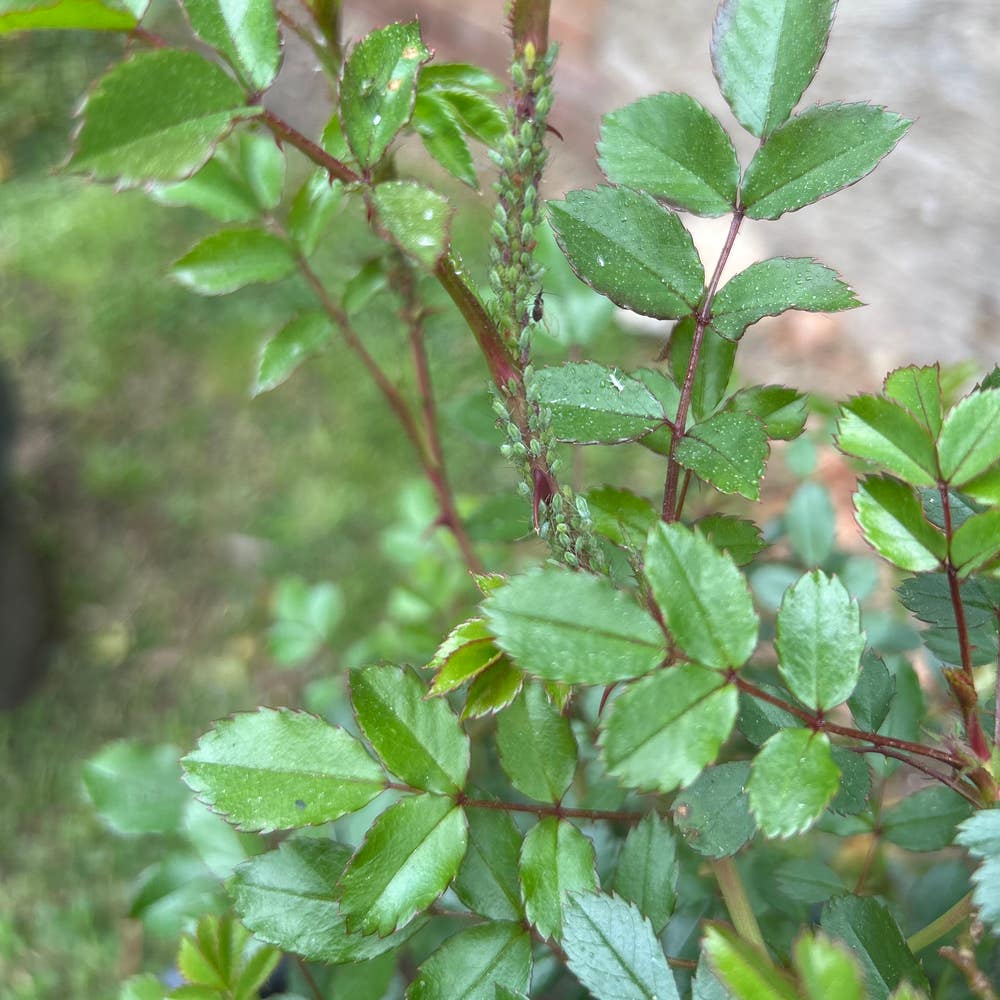
Aphids
Aphids can wreak havoc, causing curling leaves and leaving a sticky residue. Control them with insecticidal soap or neem oil.
Spider Mites
Spider mites create fine webbing and stippled leaves. Increasing humidity and using miticides can effectively manage these pests.
🍄 Fungal Infections
Powdery Mildew
Powdery mildew appears as white powdery spots on leaves. Treatment options include fungicides and improving air circulation around the plant.
Root Rot
Root rot is a serious issue, often showing as wilting despite adequate watering and mushy roots. To treat it, remove affected roots and improve drainage.
Understanding these causes is crucial for maintaining the health of your rambling rose. With this knowledge, you can take proactive steps to prevent droopy leaves and ensure your plants flourish.
Diagnosing Droopy Leaves
🌊 Visual Signs of Overwatering vs. Underwatering
Identifying whether your rambling rose is suffering from overwatering or underwatering is crucial. Overwatering typically presents as soggy soil and yellowing leaves, while underwatering results in dry soil and crispy leaf edges.
🐛 Identifying Pest Damage
Pest infestations can also lead to droopy leaves. Look for visible pests, leaf curling, and sticky residue as signs of trouble. Regular inspections are key; aim to check your plants weekly during the growing season.
🥦 Recognizing Symptoms of Nutrient Deficiencies
Nutrient deficiencies can manifest in various ways. Nitrogen deficiency often shows up as pale leaves and slow growth, while potassium deficiency can lead to leaf tip burn and poor fruiting.
🕳️ Assessing Soil Conditions and Drainage
Soil conditions play a vital role in plant health. A sandy loam texture is preferred for drainage. To assess drainage, dig a hole, fill it with water, and observe the drainage time; it should take less than one hour for optimal conditions.
Understanding these diagnostic signs will help you take the necessary steps to revive your rambling rose. Next, let’s explore effective solutions for droopy leaves.
Solutions for Droopy Leaves
💧 Adjusting Watering Practices
Deep watering is key to reviving droopy leaves on your rambling rose. This method encourages robust root growth, ensuring your plant gets the moisture it needs.
Adjust your watering frequency based on weather conditions. During dry spells, you may need to water more often, while cooler, damp periods may require less.
🌱 Fertilization Tips
Timing your fertilization is crucial for healthy growth. Aim to fertilize in early spring and again in mid-summer to give your rose the nutrients it craves.
Choose a balanced NPK fertilizer or organic compost to support overall plant health. This will help prevent nutrient deficiencies that lead to droopy leaves.
🐞 Pest Control Methods
Organic Options
For a gentle approach, consider using neem oil or insecticidal soap. These options are effective against common pests without harming beneficial insects.
Encouraging beneficial insects like ladybugs can also help keep pest populations in check. They naturally target aphids and other harmful bugs.
Chemical Options
In cases of severe infestations, systemic insecticides may be necessary. These products work from within the plant, providing long-lasting protection.
🍄 Treatment for Fungal Infections
Fungal infections can wreak havoc on your rambling rose. Apply fungicides according to the label instructions for effective treatment.
Additionally, improving air circulation around your plants can help prevent future outbreaks. Avoid overhead watering to keep leaves dry and less susceptible to fungi.
🌿 Improving Soil Drainage and Aeration
Soil drainage is vital for healthy roots. Incorporate organic matter into your soil to enhance its structure and drainage capabilities.
Consider using raised beds for better aeration and drainage. Adding perlite or sand can also improve soil texture, ensuring your rose thrives.
By implementing these solutions, you can effectively address droopy leaves and promote a healthier, more vibrant rambling rose. Next, let’s explore preventative measures to keep your plant in top shape year-round.
Preventative Measures
Best Practices for Watering 🌊
Watering your rambling rose deeply but infrequently is key. This encourages deep root growth and helps the plant withstand dry spells.
Using mulch can significantly enhance soil moisture retention. A layer of organic mulch not only keeps the soil moist but also suppresses weeds.
Regular Soil Testing for Nutrients 🧪
Conducting regular soil tests is essential for maintaining healthy plants. Aim to test your soil every spring to ensure it has the right pH and nutrient levels.
Home soil test kits are a convenient option for checking nutrient levels. These kits can help you understand what your rose needs for optimal growth.
Seasonal Care Tips to Prevent Stress 🌱
Seasonal care is crucial for preventing stress on your rambling rose. In spring, focus on pruning dead wood and applying mulch to promote new growth.
During summer, keep an eye out for pests and diseases. In fall, prepare your plant for winter by gradually reducing watering to prevent root rot.
Proper Pruning Techniques ✂️
Timing is everything when it comes to pruning. Late winter or early spring is the best time to prune your rambling rose before new growth begins.
When pruning, remove any dead or diseased wood. Shaping the plant for better airflow can also help prevent future issues.
By following these preventative measures, you can ensure your rambling rose remains healthy and vibrant. Next, let’s explore how to diagnose droopy leaves effectively.
⚠️ Safety First
This content is for general information and may contain errors, omissions, or outdated details. It is not medical, veterinary advice, or an endorsement of therapeutic claims.
Always consult a qualified healthcare professional before using any plant as food, medicine, or supplement.
Never eat any plant (or feed one to pets) without confirming its identity with at least two trusted sources.
If you suspect poisoning, call Poison Control (800) 222-1222, the Pet Poison Helpline (800) 213-6680, or your local emergency service immediately.
Spotted an error? Please report it here.
Revive your rambling roses and banish droopy leaves with Greg's tailored care tips 🌱, ensuring you master watering, nutrients, and pest control for thriving blooms!