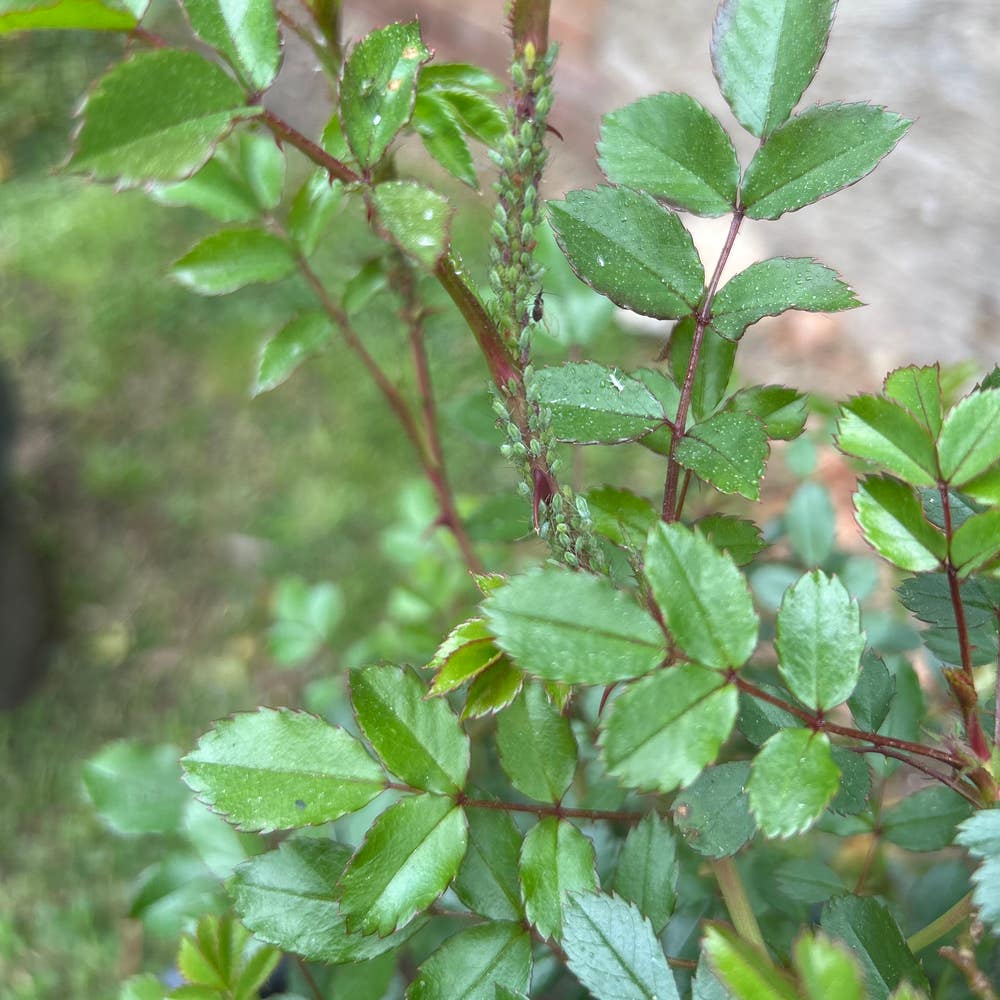
🌹 3 Factors Affecting Rambling rose Flowering
Rosa spp.
By the Greg Editorial Team
Aug 10, 2024•5 min read
This article was created with the help of AI so we can cover more plants for you. May contain errors. See one? Report it here.
- 🌞 Rambling roses need 6-8 hours of sunlight daily for optimal flowering.
- 🌱 Nutrient deficiencies like nitrogen or phosphorus can hinder blooming; soil tests help.
- ✂️ Prune correctly in late winter to encourage fuller blooms and prevent over-pruning.
Light Conditions
🌞 Importance of Sunlight for Flowering
Rambling roses thrive in full sun, needing at least 6-8 hours of sunlight daily for optimal flowering. Sunlight is crucial as it fuels photosynthesis, the process that produces the energy necessary for vibrant blooms.
💡 Effects of Too Much or Too Little Light
Too Little Light
Insufficient light results in weak growth and fewer blooms. You might notice elongated stems and sparse foliage, which can be disheartening for any gardener.
Too Much Light
Conversely, excessive sunlight can lead to leaf scorch and stress, negatively impacting flower development. This can also cause flowers to wilt prematurely, robbing you of their beauty.
🔍 Solutions for Optimizing Light Exposure
To ensure your rambling roses receive the right amount of light, consider their positioning. Plant them in a spot that bathes in sunlight throughout the day.
Pruning surrounding plants is also essential. Trim back any nearby trees or shrubs that might cast shade.
Additionally, using reflective surfaces can enhance light exposure. Placing materials like mirrors or white boards nearby can help maximize sunlight for your roses.
With the right light conditions, your rambling roses will flourish, setting the stage for the next factor affecting their growth: nutritional needs.
Nutritional Needs
🌼 Key Nutrients for Flowering
Rambling roses thrive on a balanced diet of essential nutrients.
- Nitrogen is vital for leafy growth, but too much can lead to lush foliage at the expense of blooms.
- Phosphorus plays a crucial role in root development and encourages bud formation, making it essential for flowering.
- Potassium supports overall plant health and enhances the quality of flowers, ensuring they bloom beautifully.
🚨 Signs of Nutrient Deficiency
Recognizing nutrient deficiencies early can save your roses from poor health.
- Yellowing leaves often indicate a nitrogen deficiency, signaling that your plant needs more of this nutrient.
- Poor flower production may suggest a lack of phosphorus or potassium, both critical for vibrant blooms.
- Stunted growth is a general sign of nutrient imbalance, indicating that your roses are not getting what they need.
🌱 Recommended Fertilization Practices
Proper fertilization is key to healthy, blooming rambling roses.
- Use a balanced fertilizer with an appropriate N-P-K ratio during the growing season.
- Apply fertilizer in early spring and again after the first bloom cycle to support ongoing growth.
- Conduct soil tests to determine specific nutrient needs, allowing you to adjust your fertilization strategy accordingly.
By keeping an eye on your roses' nutritional needs, you can ensure they flourish and produce stunning blooms. Next, let’s explore effective pruning techniques to further enhance their flowering potential.
Pruning Techniques
Timing and Methods for Effective Pruning 🌱
The ideal time to prune rambling roses is late winter to early spring, just before new growth starts. This timing allows you to remove dead or weak wood and shape the plant, promoting better airflow and healthier blooms.
Impact of Improper Pruning on Flowering ⚠️
Improper pruning can significantly affect flowering. Over-pruning may lead to fewer blooms and weak growth, while cutting at the wrong time can remove precious flower buds, resulting in disappointing flowering.
Best Practices for Encouraging Blooms 🌸
To encourage robust blooms, focus on cutting back only one-third of the plant. This method maintains healthy growth and encourages lateral branching by pruning to outward-facing buds, which can lead to a fuller, more vibrant display.
By following these pruning techniques, you can ensure your rambling roses thrive and produce beautiful flowers. Next, let’s explore common flowering problems and how to tackle them effectively.
Common Flowering Problems
🌸 Failure to Bloom
Potential Causes
Older rambling rose plants often produce fewer flowers as they age. Additionally, environmental stress from extreme weather can significantly hinder blooming.
Solutions and Preventive Measures
To combat these issues, ensure proper care through regular watering and fertilization. If older plants struggle, consider replacing them with younger, more vigorous varieties for a more vibrant display.
🌼 Premature Flower Drop
Causes of Bud Drop
Sudden temperature changes can stress your roses, leading to premature flower drop. Pest infestations also weaken the plant, making it more susceptible to losing buds.
Remedies to Prevent Flower Drop
Keep an eye on weather conditions and provide protection during extreme temperatures. Implement pest control measures, such as insecticidal soap or neem oil, to safeguard your plants.
🌱 Abnormal Flower Development
Identifying Abnormal Flower Growth
Watch for irregular shapes, discoloration, or stunted flowers, as these can indicate problems. Regular monitoring for signs of disease or nutrient imbalance is crucial.
Factors Leading to Abnormal Development
Diseases like powdery mildew or black spot can severely impact flower quality. Furthermore, an excess of nitrogen can lead to poor flower formation, disrupting the blooming process.
Solutions to Restore Healthy Flower Development
Treat any diseases promptly with appropriate fungicides to prevent further damage. Adjust your fertilization practices to ensure a balanced nutrient supply, promoting healthy growth and vibrant blooms.
Understanding these common flowering problems can help you maintain a thriving rambling rose garden. With the right care, your roses can flourish beautifully, setting the stage for the next topic on pruning techniques.
⚠️ Safety First
This content is for general information and may contain errors, omissions, or outdated details. It is not medical, veterinary advice, or an endorsement of therapeutic claims.
Always consult a qualified healthcare professional before using any plant as food, medicine, or supplement.
Never eat any plant (or feed one to pets) without confirming its identity with at least two trusted sources.
If you suspect poisoning, call Poison Control (800) 222-1222, the Pet Poison Helpline (800) 213-6680, or your local emergency service immediately.
Spotted an error? Please report it here.
Unlock vibrant blooms for your rambling roses 🌹 by using Greg's tailored watering and fertilization reminders to meet their specific needs!