🌹 How to Fix Curling Leaves on Your Rambling Rose
Rosa spp.
By the Greg Editorial Team
Aug 10, 2024•6 min read
This article was created with the help of AI so we can cover more plants for you. May contain errors. See one? Report it here.
- 🌱 Curling leaves indicate stress from pests, drought, or nutrient deficiencies—diagnose carefully.
- 💧 Regular watering and humidity are crucial; aim for 1-2 inches weekly.
- 🐞 Control pests like aphids with beneficial insects or insecticidal soap for healthier roses.
Causes of Curling Leaves
🌡️ Environmental Stress Factors
Heat Stress
Heat can be a real culprit for curling leaves. When temperatures soar, you might notice leaves curling upwards and wilting.
Solutions: Provide shade during peak sun hours to protect your rambling rose from excessive heat.
Drought Conditions
Drought can lead to dry, crispy edges on leaves, signaling that your plant is struggling.
Solutions: Establish a regular watering schedule, aiming for 1-2 inches of water per week to keep your rose hydrated.
Humidity Levels
Low humidity can cause leaves to curl downwards, indicating that your plant is not getting enough moisture in the air.
Solutions: Increase humidity by misting the leaves or grouping your plants together to create a more humid microclimate.
🐞 Pest Infestations
Aphids
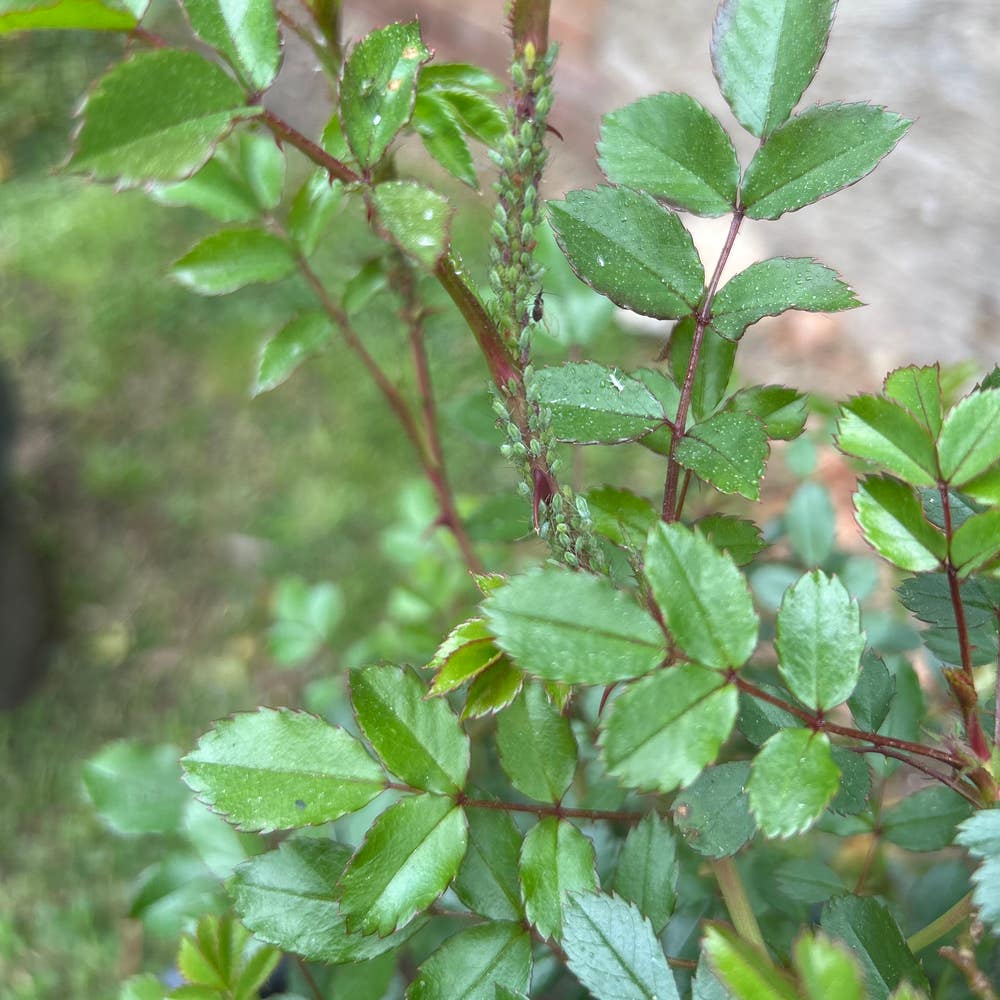
Aphids are small green or black insects that often appear on new growth. They can distort leaves and leave behind a sticky residue known as honeydew.
Control Methods: Introduce beneficial insects like ladybugs or use insecticidal soap to keep these pests at bay.
Spider Mites
Look for fine webbing on leaves and a stippled appearance, which are signs of spider mites. These pests can cause yellowing leaves and reduced vigor in your plant.
Control Methods: Increase humidity around the plant and apply miticides if necessary to combat these tiny invaders.
🥦 Nutrient Deficiencies
Nitrogen Deficiency
If you notice yellowing leaves and stunted growth, your rambling rose might be lacking nitrogen.
Solutions: Use a balanced fertilizer that includes nitrogen to boost growth and vitality.
Potassium Deficiency
Leaf curling and browning at the edges can indicate a potassium deficiency.
Solutions: Apply potassium-rich fertilizers and consider soil testing to ensure your plant gets the nutrients it needs.
🍄 Fungal Infections
Powdery Mildew
White, powdery spots on leaves are a telltale sign of powdery mildew.
Solutions: Improve air circulation around your plants and apply fungicides as needed to manage this issue.
Rust
If you see orange or rust-colored spots on leaves, your plant may be suffering from rust.
Solutions: Remove affected leaves promptly and apply appropriate fungicides to prevent further spread.
🌬️ Mechanical Damage
Wind Exposure
Torn or shredded leaves can result from strong winds.
Solutions: Provide windbreaks or relocate your plants to more sheltered areas to protect them from harsh conditions.
Physical Contact
Bruised or damaged leaves often occur due to physical contact with other plants or objects.
Solutions: Ensure proper spacing and support for climbing plants to minimize damage.
Understanding these causes of curling leaves is crucial for maintaining the health of your rambling rose. By addressing environmental stressors, pests, nutrient deficiencies, fungal infections, and mechanical damage, you can help your plant thrive. Next, we’ll dive into how to diagnose these curling leaves effectively.
Diagnosing Curling Leaves
🌿 Identifying Symptoms of Leaf Curl
Curling leaves can signal various issues. Start by observing any changes in leaf shape and color.
Pay attention to when these symptoms appear. Timing can reveal if environmental changes are the culprit.
🐛 Differentiating Between Pest and Disease Issues
Next, inspect your plants closely. Look for visible pests like aphids or spider mites versus signs of fungal growth.
Using sticky traps can help monitor pest populations effectively. This proactive approach can save your plants from further damage.
🌤️ Assessing Environmental Conditions
Environmental factors play a crucial role in plant health. Check soil moisture levels with a moisture meter to ensure your roses are adequately hydrated.
Also, evaluate sunlight exposure. If your plants aren't getting enough light, consider adjusting their placement for optimal growth.
By diagnosing these issues early, you can take steps to restore your rambling rose to its full glory. Next, let’s explore effective treatment options to address these curling leaves.
Treatment Options
🌱 Organic Pest Control Methods
Using organic pest control methods is a great way to manage issues without harsh chemicals. Neem oil is particularly effective against both aphids and spider mites, providing a natural solution that won't harm your flowering plants.
Another option is insecticidal soap, which is safe and easy to apply. It targets soft-bodied insects and can be used throughout the growing season.
🧪 Chemical Treatments for Pests and Diseases
For more severe infestations, consider systemic insecticides. These are designed to target pests like aphids effectively, ensuring they don’t return.
Fungicides can also be beneficial. Use them as a preventive measure or at the first sign of fungal infections to protect your rambling rose.
💧 Adjusting Watering Practices
Watering practices play a crucial role in plant health. Implement a consistent watering schedule based on current weather conditions to keep your rose hydrated.
Additionally, using mulch can help retain soil moisture and regulate temperature, creating a more stable environment for your plants.
🌼 Fertilization Strategies
Fertilization is key to promoting healthy growth. Apply a balanced fertilizer in early spring to give your rambling rose the nutrients it needs.
For sustained nutrient availability, consider slow-release options. These can provide a steady supply of nutrients over time, reducing the need for frequent applications.
✂️ Pruning Affected Leaves and Stems
Pruning is essential for maintaining plant health. Identify and remove any damaged foliage to encourage new growth and improve air circulation.
The best time to prune is in early spring or late fall. This timing allows your rose to recover and thrive as the growing season begins.
By implementing these treatment options, you can effectively address curling leaves on your rambling rose. Next, let’s explore preventive measures to keep your plants healthy year-round.
Preventive Measures
Best Practices for Care 🌹
To keep your rambling rose healthy, start with well-drained soil and ensure it gets full sun exposure. Regularly check for signs of stress or pest infestations to catch issues early.
Regular Monitoring 📅
Schedule weekly inspections during the growing season to stay ahead of potential problems. Keeping a journal to track changes and treatments can help you identify patterns and improve care.
Soil Health and Amendments 🧪
Testing soil pH and nutrient levels annually is crucial for optimal growth. Amending soil with organic matter enhances fertility, providing your roses with the nutrients they need.
Proper Watering Techniques 💧
Water deeply but infrequently to encourage deep root growth. Avoid overhead watering to minimize the risk of fungal infections, which can harm your plants.
Seasonal Care Tips 🌼
In spring, apply mulch to retain moisture and suppress weeds, creating a healthier environment for your roses. For winter protection, wrap the bases of your plants to prevent frost damage, ensuring they thrive year after year.
By implementing these preventive measures, you can create a robust foundation for your rambling rose, setting the stage for vibrant blooms and healthy growth. Next, let’s explore treatment options for when curling leaves do occur.
⚠️ Safety First
This content is for general information and may contain errors, omissions, or outdated details. It is not medical, veterinary advice, or an endorsement of therapeutic claims.
Always consult a qualified healthcare professional before using any plant as food, medicine, or supplement.
Never eat any plant (or feed one to pets) without confirming its identity with at least two trusted sources.
If you suspect poisoning, call Poison Control (800) 222-1222, the Pet Poison Helpline (800) 213-6680, or your local emergency service immediately.
Spotted an error? Please report it here.
Keep your rambling rose healthy and leafy green 🌿 by using Greg's tailored watering schedules and pest control tips to tackle curling leaves and ensure vibrant blooms!