7 Easy Ways to Pollinate Sunstar Flower 🐝
Ornithogalum dubium
By the Greg Editorial Team
Oct 16, 2024•6 min read
This article was created with the help of AI so we can cover more plants for you. May contain errors. See one? Report it here.
Discover how mastering Sunstar Flower pollination 🌼 can transform your garden into a thriving ecosystem!
- 🌼 Sunstar Flowers can self-pollinate or cross-pollinate, boosting seed production and diversity.
- 🐝 Attract pollinators like bees and butterflies with star-shaped petals for better fertilization.
- 🌱 Hand-pollination is effective; learn to identify male and female flower parts for success.
Self-Pollination vs. Cross-Pollination
🌼 Determining Pollination Type
The Sunstar Flower is fascinating because it can self-pollinate or cross-pollinate, depending on its environment. Understanding which type is occurring is crucial for the flower's health and reproductive success.
🌱 Benefits of Pollination Understanding
Knowing how pollination works can significantly enhance fruit and seed production. Additionally, it fosters genetic diversity, which is vital for resilient plant populations.
By grasping these concepts, gardeners can make informed decisions that benefit not just their Sunstar Flowers but the entire ecosystem.
Flower Structure
🌸 Description of Flower Anatomy
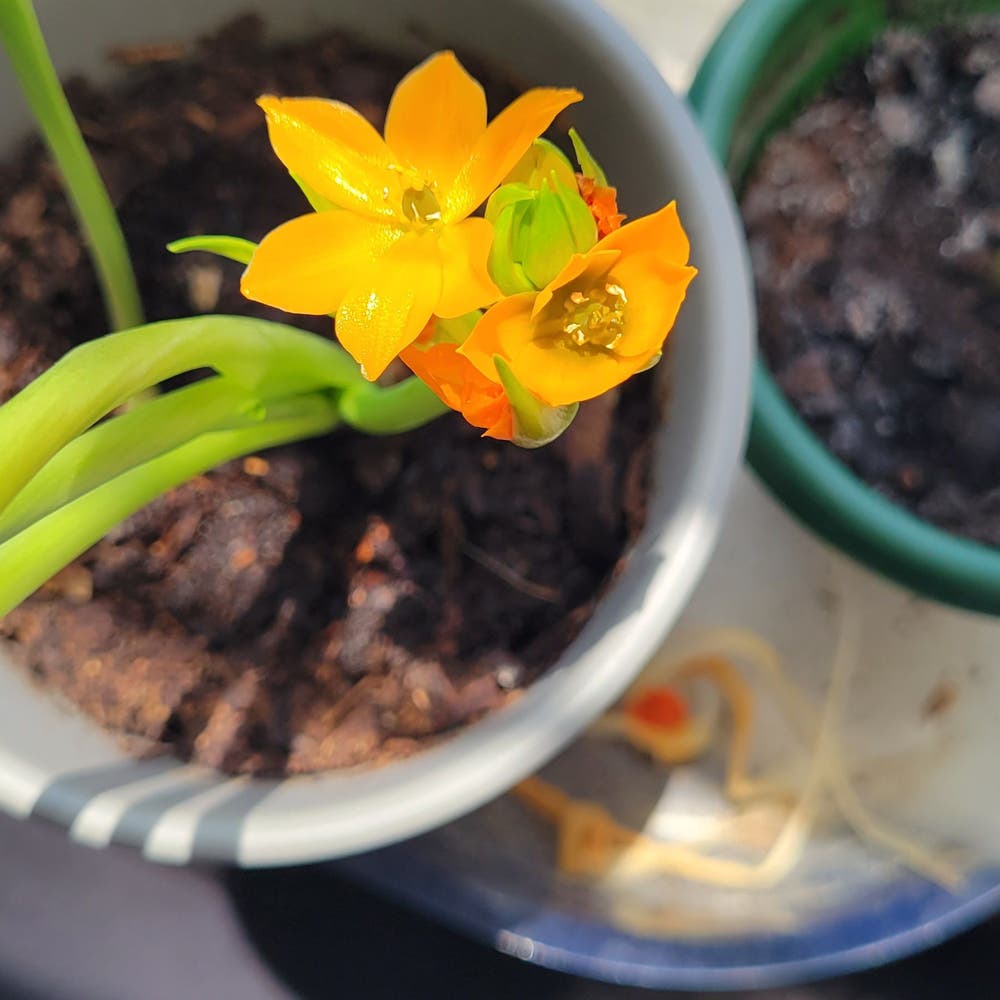
The Sunstar Flower boasts stunning star-shaped petals, often in vibrant hues that captivate pollinators. These colorful petals are not just for show; they play a crucial role in attracting bees, butterflies, and other beneficial insects.
Beneath the petals, sepals form a protective outer layer, supporting the flower as it blooms. The stamens, the male reproductive parts, produce pollen, while the pistils serve as the female counterparts, ready to receive that vital pollen for fertilization.
🐝 How Flower Structure Facilitates Pollination
The arrangement of the Sunstar Flower's parts is cleverly designed to encourage both self-pollination and cross-pollination. This adaptability ensures that the flower can thrive in various conditions, maximizing its chances of reproduction.
Moreover, the unique color and shape of the flower are tailored to attract specific pollinator species. This targeted approach enhances the likelihood of successful pollination, ultimately leading to a healthier plant and more abundant seeds.
Understanding this structure not only enriches your gardening knowledge but also highlights the intricate relationships within nature. As we delve deeper into the pollination process, you'll see how these features come into play.
Pollination Process
🌼 Mechanisms of Self-Pollination
The Sunstar Flower has a fascinating ability to self-pollinate. This means that it can transfer pollen from its own stamens to its pistils, ensuring reproduction even when pollinators are scarce.
Self-pollination is particularly beneficial in low-pollinator environments. It guarantees seed production, allowing the plant to thrive despite challenging conditions.
🐝 Role of Cross-Pollination and Primary Pollinators
While self-pollination is effective, cross-pollination enhances genetic diversity. Key pollinators like bees, butterflies, moths, and hummingbirds play a crucial role in this process.
These pollinators are attracted to the vibrant colors and sweet scents of the Sunstar Flower. As they move from flower to flower, they inadvertently transfer pollen, boosting the plant's reproductive success.
Understanding the interplay between self and cross-pollination helps gardeners optimize their Sunstar Flower's growth. By fostering a welcoming environment for these pollinators, you can significantly enhance your garden's health.
Next, let’s explore how to hand-pollinate Sunstar Flowers effectively.
Hand Pollination
Step-by-Step Instructions for Hand-Pollinating Sunstar Flower
Hand-pollinating your Sunstar Flower can be a rewarding experience. Follow these simple steps to ensure successful fertilization.
Identify Male and Female Flower Parts: Start by locating the male stamens and female pistils. The stamens are the slender, pollen-producing structures, while the pistils are the central parts that receive pollen.
Collect Pollen: Use a small brush or cotton swab to gently gather pollen from the stamens. Be careful not to damage the flower while doing this.
Transfer Pollen: Carefully apply the collected pollen to the stigma of the pistil. This is the sticky part at the top of the pistil where pollen needs to land for fertilization to occur.
Monitor for Signs of Successful Fertilization: Keep an eye on the flower for signs that fertilization has taken place. Look for swelling in the ovary or changes in the flower's appearance.
🌸 Identifying Male and Female Flower Parts
Understanding the anatomy of your Sunstar Flower is crucial for effective hand pollination.
Stamens: These are the male parts, typically slender and topped with pollen sacs. They are often more numerous and can be easily spotted around the center of the flower.
Pistils: The female parts are usually located in the center of the flower. They consist of a stigma, style, and ovary. The stigma is sticky, making it easier for pollen to adhere.
Look for visual cues: stamens are often bright and protruding, while pistils are more central and can be slightly thicker. Recognizing these parts will make your hand-pollination efforts much more effective.
With these steps and insights, you're well on your way to successfully hand-pollinating your Sunstar Flowers. Next, let’s explore how to support pollinators in your garden to enhance their natural pollination efforts.
Supporting Pollinators
🌼 Creating a Pollinator-Friendly Environment
Designing a garden that attracts pollinators is both an art and a science. Start by incorporating a variety of native plants, as they are well-adapted to local conditions and provide essential food sources for bees, butterflies, and other pollinators.
Diverse flower types are crucial, too. Aim for a mix of colors, shapes, and blooming times to ensure that something is always in flower, providing a continuous food supply throughout the seasons.
🐝 Companion Plants that Attract Beneficial Pollinators
Companion planting can significantly enhance pollinator activity in your garden. Consider adding plants like lavender, marigold, and echinacea, which are known to attract various beneficial insects.
Strategically position these companions near your Sunstar Flower. This not only boosts pollinator visits but also creates a vibrant, lively garden that supports a healthy ecosystem.
By fostering a welcoming environment for pollinators, you contribute to the overall health and productivity of your garden. This effort not only benefits your plants but also supports the vital role pollinators play in our ecosystem.
As you create this inviting space, you'll be setting the stage for a flourishing garden that thrives on the buzz of activity.
Pollination Challenges
🌪️ Common Obstacles to Successful Pollination
Pollination can be tricky for the Sunstar Flower due to various environmental factors. Temperature fluctuations, high humidity, and a lack of pollinators can significantly hinder the process.
Seasonal variations also play a role. If blooming times don't align with pollinator activity, the chances of successful pollination drop.
🛠️ Solutions for Overcoming Environmental Challenges
To combat adverse weather conditions, consider using protective covers or shade cloths. These can help maintain a stable environment for your flowers.
Attracting more pollinators is essential. Planting a diverse range of flowers, especially native species, can create a welcoming habitat for bees, butterflies, and other beneficial insects.
By understanding these challenges and implementing effective strategies, you can enhance the pollination success of your Sunstar Flowers. This not only boosts their health but also contributes to a vibrant garden ecosystem.
⚠️ Safety First
This content is for general information and may contain errors, omissions, or outdated details. It is not medical, veterinary advice, or an endorsement of therapeutic claims.
Always consult a qualified healthcare professional before using any plant as food, medicine, or supplement.
Never eat any plant (or feed one to pets) without confirming its identity with at least two trusted sources.
If you suspect poisoning, call Poison Control (800) 222-1222, the Pet Poison Helpline (800) 213-6680, or your local emergency service immediately.
Spotted an error? Please report it here.
Boost your Sunstar Flower's health and beauty through effective pollination 🌟—let Greg guide you with tailored care tips and reminders to attract those essential pollinators!