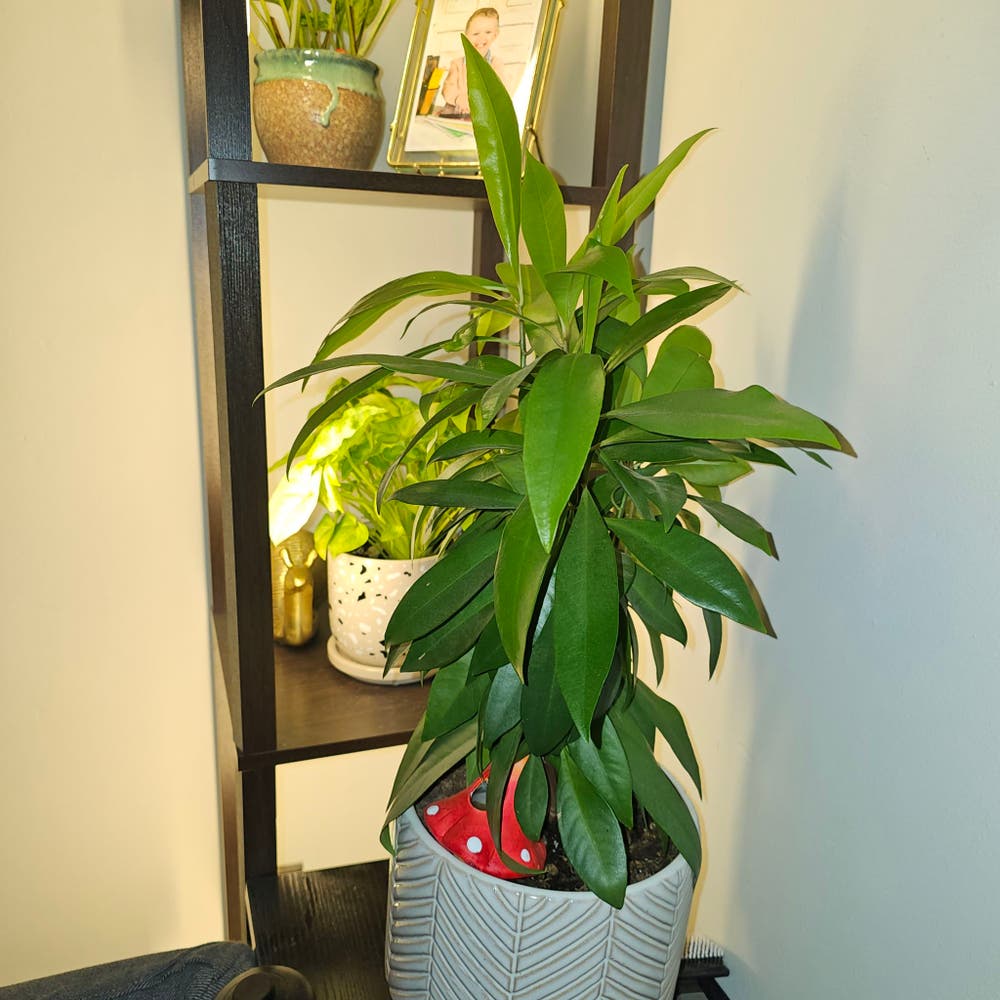
When and Where Should I Trim My Shoebutton?
Ardisia elliptica
By the Greg Editorial Team
Jun 17, 2024•5 min read
This article was created with the help of AI so we can cover more plants for you. May contain errors. See one? Report it here.
Trim your Shoebutton to perfection 🌿—discover the ideal timing and techniques for a flourishing display!
- Best pruning times: end of flowering season and early spring.
- Prune dry: Avoid disease by pruning on dry days.
- Deadheading and shape: Encourage blooms and maintain form.
Timing Your Trims: When to Prune Shoebutton
⏰ Identifying the Best Season
Pruning your Shoebutton isn't a roll of the dice; timing is key. The end of the flowering season is your cue to grab those shears. It's like catching the plant in a yawn, ready to rejuvenate. Early spring follows suit, with the plant's energy surging, primed for a trim.
☔️ Watching the Weather
Weather's not just small talk; it's a big deal for pruning. A dry day is ideal, as wet conditions invite fungal guests to the wound party. Think of it as playing matchmaker between your plant and the perfect day.

Where to Make the Cut: Pruning Locations
🌿 Spotting Dead or Damaged Branches
Identifying branches that are dead or damaged should be your first pruning step. Look for limbs that are discolored, brittle, or bear signs of disease. These are energy drains on your Shoebutton and can invite pests. Prioritize their removal to prevent further harm.
🌱 Overgrown Areas and Shaping
Overgrowth can choke your plant's style, literally. It's not just a bad look; it hampers growth. Tackle these areas with gusto, cutting back to a bud that points in the direction you want new growth to take. Aim for a shape that's not just aesthetically pleasing but gives each branch its moment in the sun.
🌳 Selective Thinning
Thinning out crowded branches means more light and air for the rest of the plant. It's like unclogging a pipe; everything flows better. Remove branches that are rubbing together or blocking others from thriving.
✂️ Strategic Cuts
Make strategic cuts to boost flowering. Snip stems that are slacking off, redirecting energy to the go-getters. It's a botanical pep talk that encourages blooming where you want it.
🌿 Rejuvenation Pruning
Sometimes, a plant needs a fresh start. Rejuvenation pruning might sound drastic, but it's a game-changer for overgrown Shoebuttons. Cut back hard, but not without a plan. Keep the plant's health and future growth in mind.
🚑 Pruning for Health
Spot the signs of distress early. Brown spots? They're your plant crying out for help. Get in there with your shears and cut out the trouble. It's preventive medicine for your green buddy.
🔄 Renewal Pruning
Older, overgrown shrubs might need a more aggressive approach. Renewal pruning can bring them back from the brink. It's like a plant version of a fountain of youth, encouraging new, vigorous growth.
🌸 Pruning Techniques for Maximum Flowering
Remember, pruning isn't just about the flowers. It's about the whole plant's health and shape. Dead or diseased branches need to go, stat. They're not doing your Shoebutton any favors. Keep it looking sharp and in good spirits by cutting these out.
🌿 Proper Branch Pruning
Branch collar is your landmark for making cuts. Don't hack away willy-nilly; that's how you get a sad, ugly plant. Find the collar, angle your cut, and avoid leaving stubs that can rot.
🛠️ Using the Right Tools
Pruning shears are your best friend for small cuts, but don't shy away from loppers or saws for the big jobs. Clean, sharp tools make clean cuts that heal faster. It's like choosing the right scalpel for surgery.
🌱 Pruning and Training Young Trees and Shrubs
Start them young. Pruning and training early on sets the stage for a lifetime of good growth. It's easier to guide a young plant than to correct an older, wayward one.

Pruning Techniques for Shoebutton
🔪 Selecting the Right Tools
Precision is key when pruning your Shoebutton. Grab a pair of sharp pruning shears or a sturdy knife that fits snugly in your hand. Dull tools are a disaster waiting to happen—like trying to slice bread with a blunt spoon. Keep those blades sharp and clean to avoid mangling your plant.
✂️ Step-by-Step Deadheading
Deadheading isn't rocket science, but it does need a careful touch. Snip off the spent flowers right above the new buds to encourage more blooms. It's like redirecting traffic from a congested road to a free-flowing highway—more energy goes to where you want it.
🌿 Shaping and Size Management
When it comes to shaping, think of yourself as a sculptor, not a lumberjack. Trim overgrown areas to maintain the Shoebutton's form, but don't get snip-happy. It's about guiding growth, not stunting it. Aim for a natural look that says "I woke up like this" rather than "I just got a bad haircut."
🔄 Rejuvenation Pruning
Sometimes, your Shoebutton needs more than a trim—it needs a comeback. Rejuvenation pruning is like hitting the reset button. Do this in early spring, cutting back the plant significantly to promote new growth. It's a bold move, but sometimes you've got to be cruel to be kind.

Post-Pruning Care: Ensuring Recovery and Growth
💦 Immediate Aftercare
Watering: It's like a soothing balm for your Shoebutton after a trim; water thoroughly but don't drown it.
Light: Keep it in the sweet spot—not too much sun, not too little. Think of it as a cozy recovery room.
Protection: Shield your plant from harsh elements. It's vulnerable, so treat it like a convalescent.
🌱 Long-Term Maintenance
Regular Monitoring: Keep a close eye on new growth—it's a high-five from your plant. Spot distress early to nip it in the bud.
Fertilizing: Hold your horses on the heavy stuff. A light feed can work wonders without overwhelming your green patient.
Soil Care: Don't let the ground go stale. Refresh with well-draining soil to prevent root rot—it's the silent killer.
Consistent Care: Stick to a routine; plants are creatures of habit too. Regular care equals fewer surprises.
⚠️ Safety First
This content is for general information and may contain errors, omissions, or outdated details. It is not medical, veterinary advice, or an endorsement of therapeutic claims.
Always consult a qualified healthcare professional before using any plant as food, medicine, or supplement.
Never eat any plant (or feed one to pets) without confirming its identity with at least two trusted sources.
If you suspect poisoning, call Poison Control (800) 222-1222, the Pet Poison Helpline (800) 213-6680, or your local emergency service immediately.
Spotted an error? Please report it here.
Ensure your Shoebutton thrives with strategic pruning ✂️ by following Greg's tailored reminders, keeping your plant healthy and perfectly shaped throughout the seasons.