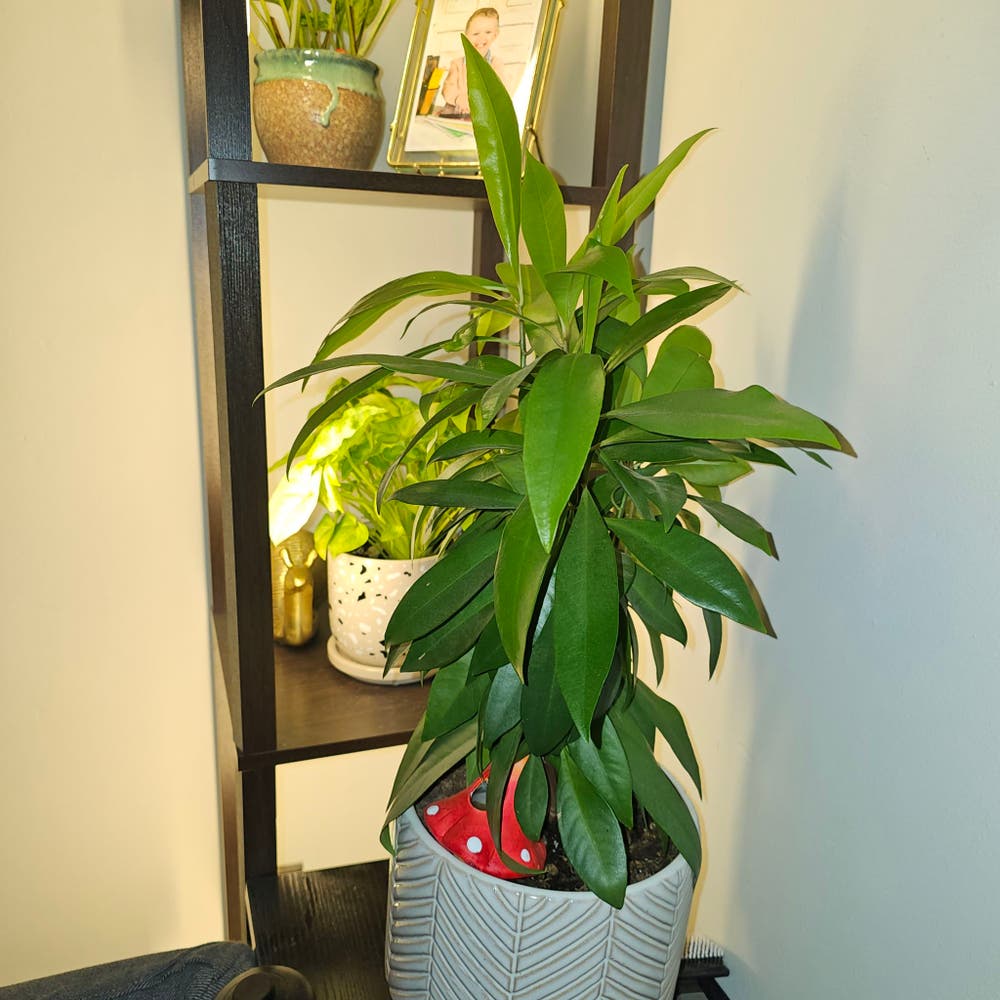
Am I Starving My Coralberry? Fertilizing 101
Ardisia elliptica
By the Greg Editorial Team
Jun 17, 2024•4 min read
This article was created with the help of AI so we can cover more plants for you. May contain errors. See one? Report it here.
Ensure your Coralberry thrives with the right feed—discover the secrets to lush foliage and berries! 🌿🍇
- Balanced N-P-K ratio (20-20-20) ideal for Coralberry's spring and fall feeding.
- 🍂 Timing matters: Late winter/early spring and fall for robust growth and blooms.
- 🚫 Avoid overfeeding: Watch for yellow leaves and slow growth as distress signals.
Choosing the Right Fertilizer for Your Coralberry
💡 The Nitty-Gritty on N-P-K
Coralberry doesn't scream for nutrients, but it whispers for balance. N-P-K ratios are like the plant's dietary chart, guiding you to what it needs: nitrogen for foliage, phosphorus for roots and blooms, and potassium for overall health. A slow-release fertilizer with equal parts of each, say a 10-10-10, applied in early spring, can be just the ticket for your unassuming shrub.
💭 The Great Debate: Organic or Synthetic?
Organic fertilizers are the long game, slowly enriching the soil and fostering a micro-ecosystem. They're the tortoise in the race, providing a steady supply of nutrients. Synthetics, however, are the hare, offering a rapid, targeted nutrient hit. Both have their place in the Coralberry's world. Organics improve soil structure over time, while synthetics can rescue a plant in dire straits. The choice hinges on your gardening style and the immediate needs of your Coralberry.

Timing is Everything: When to Fertilize Coralberry
Spring and fall are critical times for Coralberry nourishment. Timing your fertilizer applications correctly can make all the difference in your shrub's health and vibrancy.
🌱 Spring Awakening
Kickstarting Growth
As winter fades, your Coralberry is itching to grow. Late winter or early spring, before the leaves bud, is the moment to act. A balanced fertilizer—think 20-20-20 or similar—will satisfy its nutrient cravings. This single application sets the stage for a season of lush foliage and those signature pink berries.
🍂 Preparing for Hibernation
Fall Feeding Fundamentals
When autumn whispers its approach, a second round of fertilizing fortifies your Coralberry against the cold. This isn't just about survival; it's about giving your shrub the strength to bloom post-hibernation. Stick to a balanced mix and watch your Coralberry thank you with a vibrant winter display.

How to Serve Up the Perfect Fertilizer Feast
Navigating the world of Coralberry nutrition can be like decoding a secret menu – knowing the specials can make all the difference.
🍽️ Serving Techniques
Coralberry plants have a preference for their meals. Top-dressing, where fertilizer is spread on the soil surface, is akin to a light seasoning, beneficial for a gradual nutrient release. In contrast, deep-root feeding delivers nutrients directly to the roots, like a hearty meal absorbed more quickly. The choice depends on the plant's current needs and the gardener's schedule.
🚫 Common Mistakes to Avoid
Overfeeding your Coralberry is the equivalent of a nutrient overdose. It's crucial to recognize the early signs of fertilizer burn, such as leaf discoloration or stunted growth. Stick to the adage "less is more" and follow the recommended feeding schedule to avoid these pitfalls.

Reading Your Coralberry's Leaves: Signs of Over- or Under-Fertilization
Your Coralberry is a straight shooter when it comes to communicating its needs. Yellow leaves and slow growth are not just a phase; they're distress signals.
🚦 Interpreting Plant Signals
Yellow leaves might scream "Feed me!" but take a beat before reaching for the fertilizer bag. Overzealous feeding can lead to nutrient overload, and nobody wants a drama queen Coralberry with burnt leaves and stunted growth.
Wilting can be a cry for water, but crispy leaves are shouting "Too much!" Check the soil's moisture before you water or feed. It's about balance, folks.
🛠️ Adjusting on the Fly
If your Coralberry's leaves perk up after feeding, you're the plant whisperer. If not, it's time to reassess your game plan. Over-fertilization is a no-go; think precision, not a heavy-handed pour.
Brown or blackened roots? That's a red flag for chemical burns from excess fertilizer. Dial it back. Your plant's roots should look as healthy as a garden salad, not a burnt steak.
Remember, the Coralberry doesn't need a feast of fertilizer to thrive. A balanced, slow-release option in early spring is usually enough to keep it happy. If you've been heavy-handed, cut back. Less is more, and your Coralberry will thank you with lush growth and vibrant berries.
⚠️ Safety First
This content is for general information and may contain errors, omissions, or outdated details. It is not medical, veterinary advice, or an endorsement of therapeutic claims.
Always consult a qualified healthcare professional before using any plant as food, medicine, or supplement.
Never eat any plant (or feed one to pets) without confirming its identity with at least two trusted sources.
If you suspect poisoning, call Poison Control (800) 222-1222, the Pet Poison Helpline (800) 213-6680, or your local emergency service immediately.
Spotted an error? Please report it here.
Keep your Coralberry flourishing 🌿 with Greg's personalized reminders to apply the right fertilizer at the right time, ensuring peak health without overfeeding.