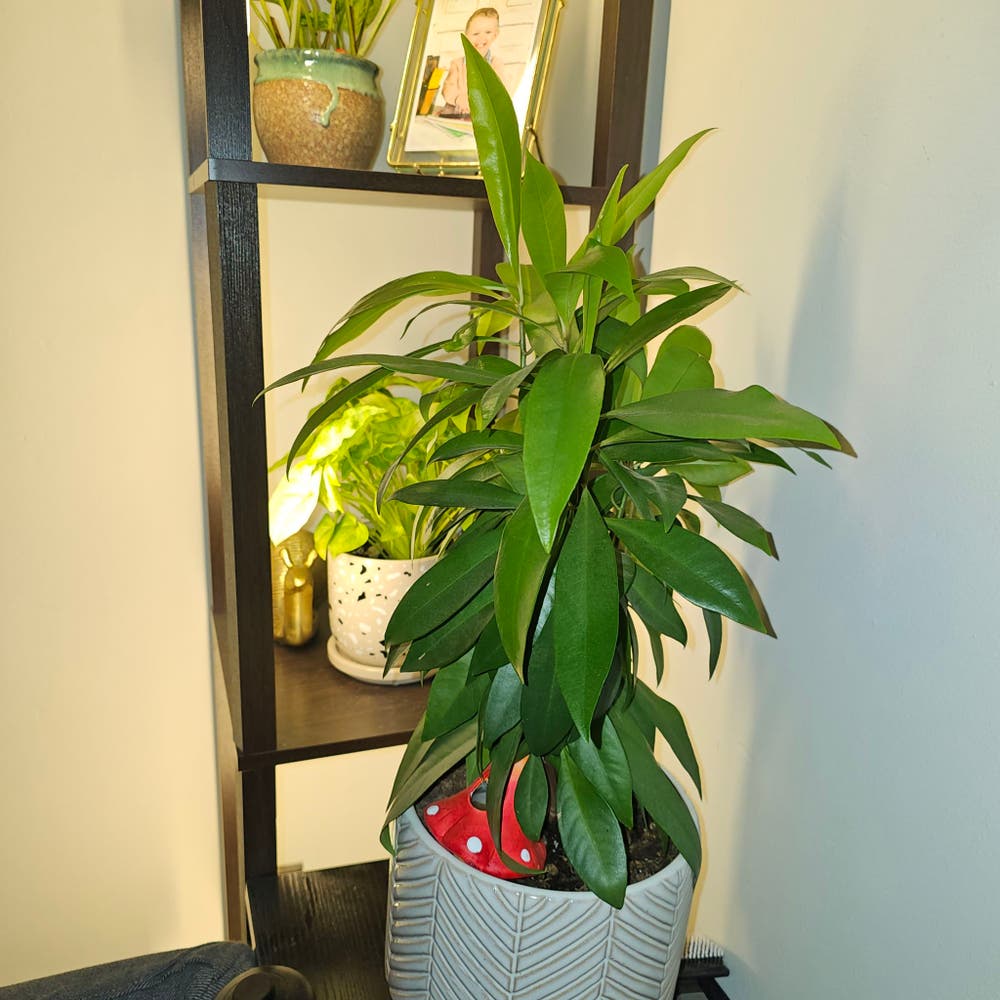
🍂 Why Your Coralberry Leaves Are Falling Over
Ardisia elliptica
By the Greg Editorial Team
Oct 18, 2024•5 min read
This article was created with the help of AI so we can cover more plants for you. May contain errors. See one? Report it here.
Master coralberry care 🌱 to prevent leaf drop and ensure vibrant growth in your garden all year round!
- 💧 Overwatering and poor drainage are key causes of coralberry leaf drop.
- 🌡️ Temperature extremes like frost and heat stress also lead to leaf loss.
- 🐜 Regular pest inspections are vital to prevent damage from aphids and diseases.
Causes of Leaf Drop
🌪️ Environmental Stress Factors
Overwatering and Poor Drainage
Overwatering is a common culprit behind leaf drop in coralberry plants. Symptoms like wilting and yellowing leaves often signal excess moisture, making well-drained soil essential for healthy growth.
Soil Moisture
Maintaining ideal soil moisture is crucial. Aim for consistently moist soil without sogginess; signs of inadequate moisture include drooping leaves, while overly wet conditions can lead to root rot.
Temperature Extremes
Temperature fluctuations can severely impact coralberry leaves. Both frost and heat stress can cause leaf drop, so it's vital to keep your plants within the recommended temperature range of 60°F to 75°F for optimal growth.
🐛 Pests and Diseases
Common Pests
Aphids are notorious for causing leaf damage. Look for curling leaves and sticky residue, which indicate an infestation that can weaken the plant and lead to further leaf drop.
Common Diseases
Powdery mildew is another significant threat. Characterized by white powdery spots on leaves, this disease thrives in humid conditions. To combat it, ensure good air circulation and consider fungicide treatments if necessary.
🛠️ Treatment Options
Addressing pests and diseases promptly is key to preventing leaf drop. Regular inspections and timely interventions can help maintain the health of your coralberry plants, ensuring they thrive in your garden.
Understanding these causes is the first step in diagnosing and treating leaf drop effectively. Next, we’ll explore how to identify specific symptoms to further pinpoint the issues affecting your coralberry.
Diagnosing Leaf Problems
🌿 Identifying Symptoms
When your coralberry leaves start to drop, the first step is to look for visual signs. Yellowing, wilting, and premature leaf fall are key indicators that something is off.
Understanding the difference between healthy and unhealthy leaves is crucial. Healthy leaves are vibrant and firm, while unhealthy ones may appear dull or limp.
🔍 Environmental vs. Biological Causes
To effectively diagnose leaf drop, create a checklist to guide your assessment. Start by assessing soil moisture levels; too much or too little can lead to stress.
Next, inspect for pests and disease symptoms. Look closely for any signs of infestation or infection that could be affecting your plant's health.
Finally, evaluate the environmental conditions. Check the light and temperature to ensure they align with your coralberry's needs.
By systematically addressing these factors, you can pinpoint the cause of your coralberry's leaf issues and take appropriate action. This proactive approach sets the stage for healthier growth and vibrant foliage.
Preventing Leaf Drop
🌱 Optimal Growing Conditions
To keep your coralberry thriving, it's essential to mimic its native habitat. These plants prefer well-drained soils and open woodlands, which provide the right balance of moisture and air circulation.
Sunlight Requirements
Coralberries thrive in partial shade to full sun. Insufficient light can lead to weak, leggy growth and increased leaf drop.
🌿 Soil and Watering Requirements
Soil Type
Choosing the right soil mix is crucial. Opt for well-draining soil to prevent waterlogging, which can stress your coralberry.
Watering Schedule
Maintaining appropriate soil moisture is key. Water your coralberry consistently, ensuring the soil is moist but not soggy. Adjust your watering schedule based on seasonal changes and rainfall to keep your plant healthy.
By establishing these optimal growing conditions, you can significantly reduce the risk of leaf drop. Next, let’s explore how to diagnose any leaf problems that may arise.
Treating Leaf Issues
Step-by-Step Guide 🌱
Assess Soil Moisture and Drainage
Start by checking the soil moisture. Stick your finger about an inch into the soil; if it feels soggy, you may be overwatering.Inspect for Pests and Diseases
Look closely at the leaves for any signs of pests like aphids or diseases such as powdery mildew. Early detection is key to effective treatment.Adjust Watering Practices as Needed
Based on your findings, modify your watering schedule. Aim for consistent moisture without waterlogging the roots.
Recommended Treatments 🧪
Organic Pest Control Methods for Aphids
Consider using insecticidal soap or neem oil to tackle aphids. These treatments are effective and safe for your coralberry.Fungicide Options for Powdery Mildew
If you spot powdery mildew, apply a fungicide specifically designed for this issue. Look for products that contain potassium bicarbonate or sulfur.
Pruning Techniques ✂️
When and How to Prune to Encourage New Growth
Prune your coralberry in early spring before new growth begins. Cut back any dead or damaged branches to promote healthier foliage.Importance of Removing Affected Leaves to Prevent Further Issues
Don’t hesitate to remove leaves showing signs of disease or pest damage. This helps prevent the spread of issues and encourages new, healthy growth.
By following these steps, you can effectively treat leaf issues and help your coralberry thrive. Next, let’s explore seasonal care tips to keep your plant healthy year-round.
Seasonal Considerations
🌱 Seasonal Care Tips
Spring is a crucial time for your coralberry. This season calls for fertilization and vigilant pest monitoring to ensure healthy growth.
In summer, adjust your watering practices and manage shade effectively. Coralberries thrive in the right light, so ensure they’re not getting scorched.
As fall approaches, it's time to prepare for winter conditions. This includes protecting your plants from frost and ensuring they have adequate resources to survive the colder months.
🔄 Adjusting Care Practices
Modifying your watering and fertilization schedules according to seasonal needs is essential. Each season brings different challenges and requirements for your coralberry.
Recognizing signs of stress during seasonal transitions can save your plant. Look for changes in leaf color or droopiness, which may indicate that your coralberry needs immediate attention.
By staying proactive and adjusting your care practices, you can help your coralberry thrive year-round. This attention to detail will not only enhance its health but also its beauty in your garden.
⚠️ Safety First
This content is for general information and may contain errors, omissions, or outdated details. It is not medical, veterinary advice, or an endorsement of therapeutic claims.
Always consult a qualified healthcare professional before using any plant as food, medicine, or supplement.
Never eat any plant (or feed one to pets) without confirming its identity with at least two trusted sources.
If you suspect poisoning, call Poison Control (800) 222-1222, the Pet Poison Helpline (800) 213-6680, or your local emergency service immediately.
Spotted an error? Please report it here.
Keep your coralberry thriving 🌱 by using Greg's tailored watering reminders and pest control tips to ensure vibrant, healthy leaves all season long!